Protein is the primary dietary source of amino acids that the brain requires to produce neurotransmitters, maintain neurons, and sustain mental performance. This is why protein boosts cognitive function at a biochemical level, not just as a fitness nutrient. Amino acids from protein build serotonin, dopamine, and norepinephrine, the chemical messengers that regulate mood, memory, and focus. Research from the Nurses’ Health Study and Health Professionals Follow-up Study, tracking over 77,000 people for 20 years, found that every 5% of calories replaced with plant protein reduces cognitive decline risk by 26%. That figure alone reframes protein as a brain health priority, not just a muscle-building tool.
How does protein biochemically support brain function?
Protein’s cognitive benefits trace directly to amino acid metabolism. When you digest protein, it breaks down into individual amino acids that the brain uses as raw materials for neurotransmitter synthesis. Without a steady supply, neurotransmitter levels drop, and mental clarity follows.
The key pathways work like this:
-
Serotonin is synthesized from tryptophan, an amino acid found in turkey, eggs, and legumes. Low serotonin is linked to poor mood and impaired memory consolidation.
-
Dopamine and norepinephrine are built from tyrosine and phenylalanine. These neurotransmitters drive motivation, alertness, and working memory.
-
GABA and glutamate are the brain’s primary inhibitory and excitatory signals. Glutamate synthesis depends on branched-chain amino acids (BCAAs) crossing the blood-brain barrier, directly supporting learning and memory formation.
BCAAs, found in high concentrations in whey and pea protein, cross the blood-brain barrier more readily than most amino acids. This makes them particularly relevant for people who need sustained mental output, such as students during exam periods or professionals managing long cognitive workloads.
Protein also influences the gut-brain axis. Fish protein modulates gut microbiota, reduces neuroinflammation, and has been shown in animal models to prevent age-related memory decline. The gut produces roughly 90% of the body’s serotonin, so protein’s role in feeding beneficial gut bacteria has direct consequences for brain chemistry.
Pro Tip: Spread protein intake across three meals rather than concentrating it in one. The brain cannot store amino acids, so a steady supply throughout the day maintains neurotransmitter production more effectively than a single large dose.
The clinical evidence connecting protein intake to memory and focus is growing fast. Large cohort studies and targeted intervention trials now point in the same direction: consistent, adequate protein intake protects cognitive function across the lifespan.
A 2024 clinical twin study published in Nature Communications found that daily protein and prebiotic supplementation over 26 weeks improved memory scores in adults over 60. The twin study design is significant because it controls for genetics, isolating the supplement effect more cleanly than standard cohort designs.
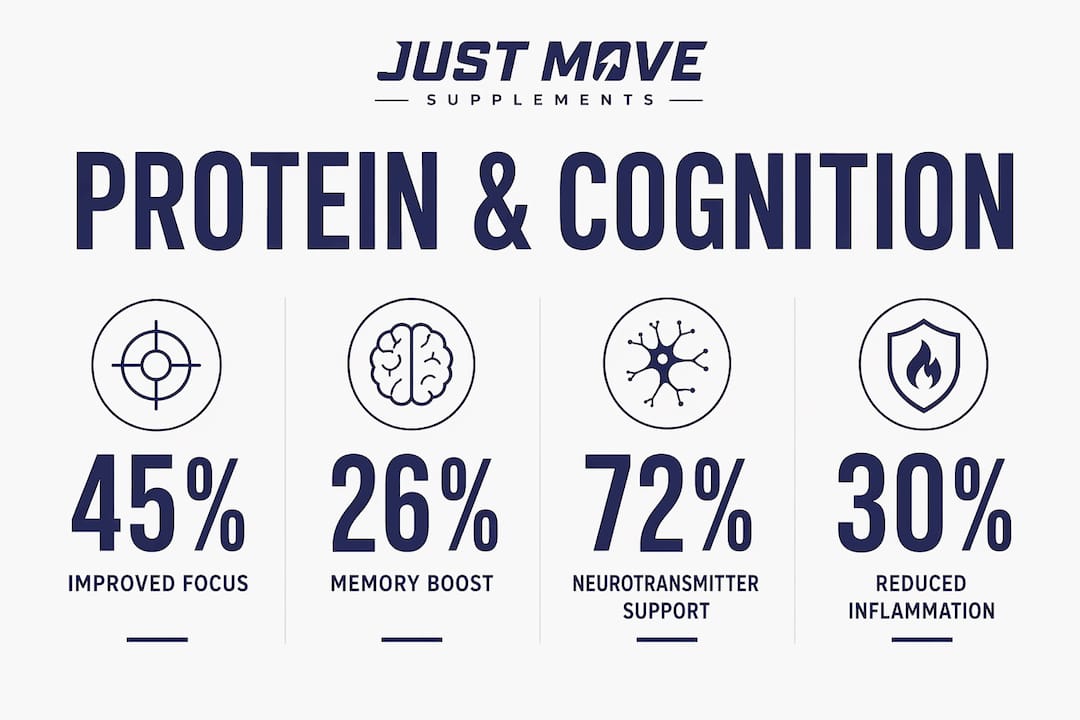
A separate 2024 study in Alzheimer’s Research & Therapy examined 196 older adults without dementia and found that high protein intake linked to better episodic memory and overall cognition. The effect was notably stronger in people carrying the APOE4 gene variant, the most significant genetic risk factor for Alzheimer’s disease. That finding suggests protein may be especially protective for those with elevated genetic risk.
The Nurses’ Health Study data adds an important nuance: not all protein sources produce equal cognitive outcomes.
| Protein source |
Cognitive decline risk reduction |
| Plant protein (every 5% of calories) |
26% reduction |
| Animal protein (every 5% of calories) |
11% reduction |
| Combined plant and fatty fish |
Optimal neuroprotection |
“Replacing even a small portion of daily calories with plant protein produces a measurable reduction in cognitive decline risk over two decades. The magnitude of that effect rivals many pharmaceutical interventions studied for the same outcome.”
Plant proteins appear to outperform animal proteins in long-term cognitive protection, likely because they carry less inflammatory load and provide fiber that feeds the gut microbiome. For nutritional tips on attention support, combining plant proteins with omega-3-rich fish sources gives you the broadest neuroprotective coverage.
Which protein sources are best for brain health?
Not all protein foods deliver the same cognitive benefits. The amino acid profile, accompanying nutrients, and inflammatory properties of each source all shape how well it supports the brain.
Fatty fish stands out as the most complete brain protein source. Salmon, sardines, and mackerel provide high-quality protein alongside omega-3 fatty acids that lower brain inflammation and support neuronal membrane integrity. Brain nutrition specialists consistently rank fatty fish at the top of cognitive diet recommendations for this reason.

Eggs supply choline, a nutrient the brain uses to synthesize acetylcholine. Acetylcholine governs attention, learning speed, and memory retrieval. Most adults do not get enough choline from diet alone, making eggs a practical and affordable cognitive food.
Legumes and peas deliver plant protein with a low inflammatory profile. Plant-based protein from peas and brown rice provides a complete amino acid profile when combined, making it a strong option for people who limit animal products. The fiber in legumes also feeds gut bacteria that produce short-chain fatty acids, which reduce neuroinflammation.
One caution applies to high-glutamate animal proteins. Overconsumption of certain proteins that raise glutamate levels may overload excitatory neurotransmission. For people managing mood disorders or anxiety, moderating high-glutamate sources and favoring plant proteins helps maintain a healthier glutamate-GABA balance.
Pro Tip: If you eat fatty fish twice a week and use a clean pea or plant-based protein supplement on other days, you cover both the omega-3 and amino acid bases without relying on any single food source.
How much protein do you need daily for cognitive health?
Daily protein requirements for brain health depend on age, activity level, and cognitive goals. The standard Recommended Dietary Allowance (RDA) of 0.8 g/kg of body weight is a minimum for preventing deficiency, not an amount optimized for mental performance.
For adults over 65, protein intake of 1.2–1.6 g/kg supports both muscle preservation and cognitive health. Muscle and brain health are more connected than most people realize. Muscle tissue produces myokines during exercise, signaling molecules that cross the blood-brain barrier and support neuroplasticity.
For younger adults and active professionals, a moderate protein intake with a plant-forward focus produces the best long-term cognitive outcomes. Here is a practical framework:
-
Set a baseline target. Aim for at least 1.0–1.2 g/kg of body weight daily if you are under 65 and moderately active.
-
Distribute across meals. The brain cannot store amino acids, so spacing protein across breakfast, lunch, and dinner maintains a consistent supply for neurotransmitter production.
-
Prioritize plant and fish sources. Build the majority of your protein intake from legumes, peas, and fatty fish to maximize cognitive protection.
-
Add resistance training. Pairing protein intake with strength training amplifies the myokine response and enhances the brain benefits of adequate protein.
-
Use supplementation to fill gaps. On days when whole food protein is limited, a clean protein supplement maintains the consistency your brain depends on.
Protein timing matters more for the brain than most nutrition guides acknowledge. Skipping breakfast protein, for example, leaves the brain without fresh amino acids for hours after overnight fasting. That gap shows up as slower reaction times and reduced working memory in the morning hours.
Key Takeaways
Protein directly supports brain health by supplying amino acids that build neurotransmitters, protect neurons, and reduce cognitive decline risk over time.
| Point |
Details |
| Amino acids drive neurotransmitter production |
Serotonin, dopamine, and GABA all require specific amino acids from dietary protein to be synthesized. |
| Plant protein leads in cognitive protection |
Replacing 5% of calories with plant protein reduces cognitive decline risk by 26% over 20 years. |
| Consistency matters more than quantity |
The brain cannot store amino acids, so spreading protein across three meals sustains mental clarity all day. |
| Source quality shapes outcomes |
Fatty fish and legumes outperform high-glutamate animal proteins for long-term neuroprotection. |
| Older adults need more |
Adults over 65 benefit from 1.2–1.6 g/kg daily to protect both muscle and cognitive function. |
Most conversations about protein stop at muscle. That framing misses the bigger picture, and I’ve seen it hold people back from making changes that would genuinely improve how they think and feel every day.
The pattern I keep coming back to is this: people who eat protein consistently across the day, not just at dinner, report noticeably better focus and steadier mood. The science backs that up. Neurotransmitters require constant replenishment because the brain turns them over continuously. Missing a meal or skimping on protein at breakfast creates a gap that shows up as mental fog by mid-morning.
I also think the plant protein finding from the Nurses’ Health Study deserves far more attention than it gets. A 26% reduction in cognitive decline risk from a modest dietary shift is a meaningful number. It does not require an extreme diet. It requires consistency and a preference for legumes, peas, and fish over processed animal proteins.
For students and professionals specifically, I recommend treating protein supplementation the same way you treat hydration. It is not a performance add-on. It is a daily baseline. A clean, unflavored protein powder mixed into oatmeal or a smoothie removes the friction of hitting your amino acid targets on busy days. For people curious about cognitive enhancement supplements, protein is the foundation everything else builds on.
One honest caution: if you are managing anxiety or a mood disorder, pay attention to your protein sources. High-glutamate animal proteins can tip excitatory neurotransmission in the wrong direction. Shifting toward plant proteins and fish is a practical adjustment, not a dramatic overhaul.
— Just
Protein supplements that support daily mental clarity
Consistent protein intake is the foundation of cognitive health, and Justmovesupplements makes that consistency easy to maintain.
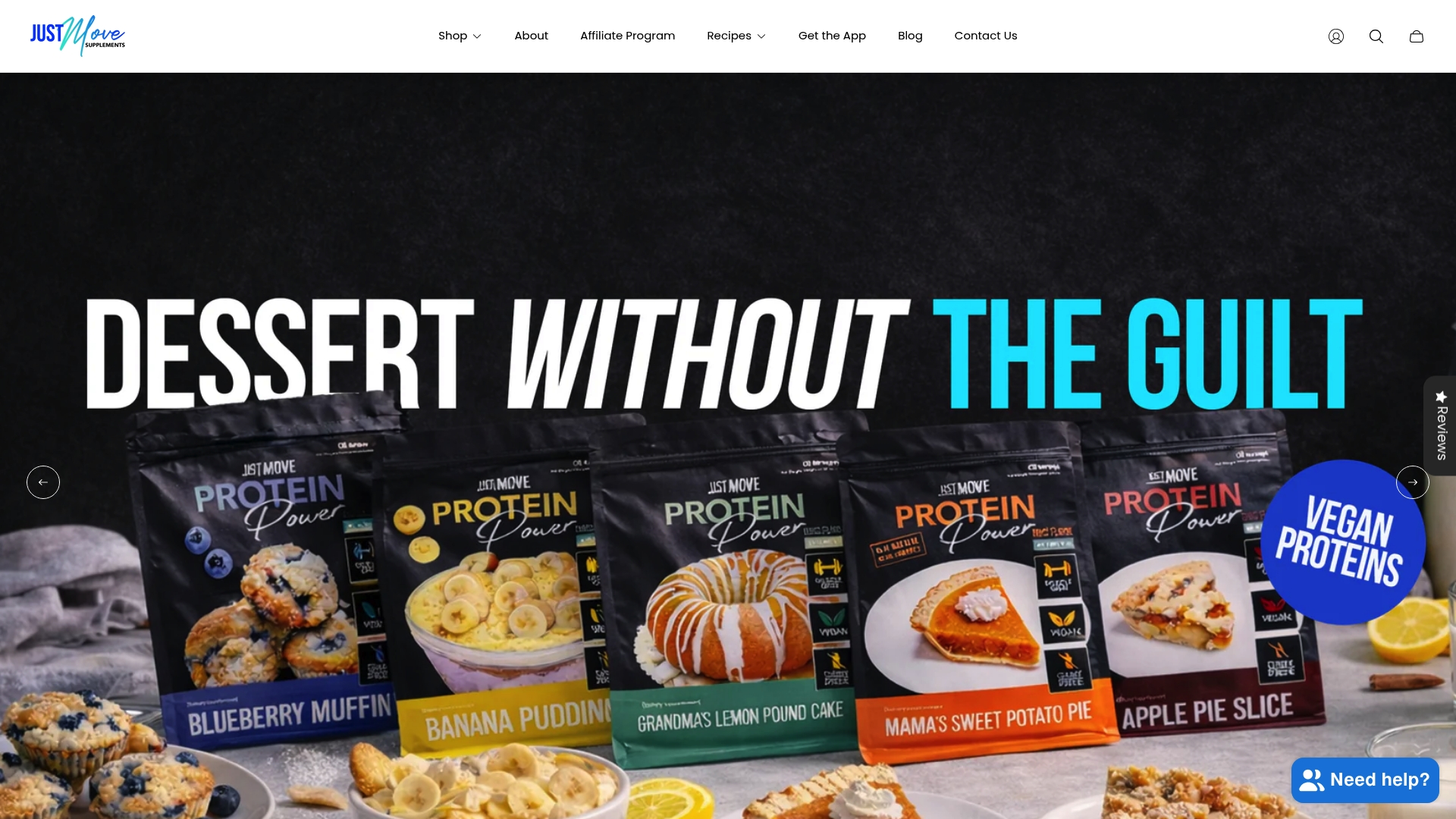
Justmovesupplements offers clean, high-quality protein options built for both physical and mental performance. The Plain and Simple Unflavored Protein is a standout choice for people who want a pure amino acid source without additives or artificial flavors. It mixes into anything, making it the simplest way to hit your daily protein target without changing your routine. For those who want variety before committing to a full tub, the protein sample variety pack lets you try seven flavors and find what works best for your taste and lifestyle. Your brain performs best when you feed it consistently. Justmovesupplements gives you the tools to do exactly that.
FAQ
Does protein actually improve focus and memory?
Yes. Protein provides amino acids that the brain uses to produce dopamine, serotonin, and acetylcholine, neurotransmitters directly responsible for focus, attention, and memory retrieval.
How quickly does protein affect cognitive function?
Amino acids from a protein-rich meal reach the brain within a few hours. Consistent daily intake over weeks produces measurable improvements in memory scores, as shown in the 2024 Nature Communications twin study.
Is plant protein better than animal protein for brain health?
For long-term cognitive protection, plant protein outperforms animal protein. Replacing 5% of daily calories with plant protein reduces cognitive decline risk by 26%, compared to 11% for animal protein, based on data from over 77,000 participants.
What happens to the brain when protein intake is too low?
Low protein intake reduces neurotransmitter production, leading to poor mood, slower thinking, and impaired memory. The brain cannot store amino acids, so even short gaps in intake affect mental performance.
Who benefits most from higher protein intake for brain health?
Adults over 65 and people carrying the APOE4 gene variant show the strongest cognitive response to higher protein intake. Younger adults and students also benefit, particularly when protein is distributed consistently across the day.
Recommended


