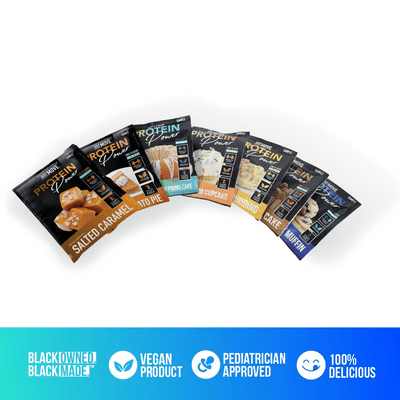
A balanced meal replacement lunch is a 200 to 500 calorie serving with roughly 20 to 30 grams of protein, meaningful fiber, and a source of healthy fat. The fastest options are a ready-to-drink protein shake, a thick fruit and protein smoothie, a meal bar paired with fresh fruit, or a pre-portioned bowl you grab straight from the fridge. Used short-term as part of a structured plan, this approach can genuinely support weight management goals.
TL;DR:
Choose a lunch with 200 to 500 calories, 20 to 30 grams of protein, fiber, and healthy fat; pair a protein bar with fruit.
Include fiber and fat in shakes, not just protein; add chia or oats if hunger returns within an hour instead of adding more protein.
Use a shaker for powder, milk, and nut butter, but blend whole oats or frozen fruit to break them down.
Prep fruit, greens, powder, oats, and seeds in advance, but keep liquid separate until blending to protect the shake’s texture.
A 12 week trial found that overweight adults drinking high protein, high fiber shakes before meals lost 4.0% of body weight, versus 2.2% with placebo.
Justmovesupplements
Make Protein-Packed Lunches Easier
Explore protein powders and meal replacement options with varied flavors, suited to busy days when you need a quick lunch.
1. Top 10 meal replacement lunch ideas you can use today
These ten options cover drinks, bars, and no-blend bowls, so there is a fit for whatever your Tuesday actually looks like.
Ready-to-drink fortified shake: a bottled shake with 20 to 30 grams of protein and at least 5 grams of fiber, zero prep, toss it in a bag and go.
Thick protein and oat smoothie: blend protein powder, frozen banana, oats, and milk for a spoon-thick texture that holds you over longer than a thin drink.
Protein shake with added fiber: mix protein powder with a tablespoon of chia or ground flax and water or milk, 2 minutes in a shaker, portable in any bag.
Meal bar plus fresh fruit: pick a bar with 15-plus grams of protein and pair it with an apple or orange for fiber and micronutrients.
Pre-portioned grain and protein bowl: quinoa, shredded rotisserie chicken, and roasted vegetables packed the night before, eaten cold or microwaved in 90 seconds.
Greek yogurt parfait jar: layered yogurt, berries, and a scoop of granola or nuts, assembled in under 5 minutes and grab-and-go ready.
Cottage cheese and fruit bowl: cottage cheese topped with pineapple or peaches, a no-cook option with solid protein and minimal planning.
Hummus and veggie wrap: a whole-grain wrap with hummus, shredded carrots, and spinach, held together for travel in foil.
Overnight protein oats: oats soaked overnight in milk with protein powder and berries, eaten cold straight from the jar.
Hard-boiled egg and avocado toast: two eggs, mashed avocado on whole-grain toast, a 5-minute assemble if eggs are pre-cooked for the week.
Several of these are easiest to pull off with a ready template rather than guesswork, which is where a few structured recipes save real time during a busy week.
2. How to build a balanced meal replacement shake or smoothie
A shake that actually functions as a meal needs to land in a specific range: 200 to 500 calories with 20 to 30 grams of protein, plus fiber and fat to slow digestion. Protein alone will not keep you full for four hours. Fiber and fat are what stretch satiety past the one-hour mark, and protein, fiber, and healthy fat are the three components that define a true meal-replacement smoothie rather than a snack drink.
Three templates cover most goals:
Weight-loss build: 1 scoop protein powder, 1 cup unsweetened almond milk, half a frozen banana, 1 tablespoon chia seeds, ice. Lands around 250 to 300 calories.
Everyday build: 1 scoop protein powder, 1 cup milk, 1 tablespoon peanut butter, a handful of spinach, frozen berries. Lands around 400 calories.
Athlete build: 1.5 scoops protein powder, 1 cup oat milk, half a cup of oats, 1 tablespoon almond butter, a banana. Lands around 500 to 550 calories for higher training demand.
No blender nearby? A shaker cup works fine for protein, milk, and nut butter if you skip whole oats or frozen fruit chunks, which need blades to break down.
Pro Tip:If hunger creeps back within an hour, add a tablespoon of chia or oats before you add more protein, since fiber slows digestion more than protein alone.
3. Make-ahead prep: freezer packs, shaker hacks, and no-blend swaps
The gap between a one-time shake and a repeatable lunch habit is almost always prep. A few small routines remove the friction.
Freeze fruit and vegetables, keep liquid separate: portion frozen fruit and greens into bags, add milk or water only at blending time to protect texture.
Pre-measure dry add-ins: scoop protein powder, oats, and seeds into small containers on Sunday so weekday assembly takes under a minute.
Build shakes in the right order: liquid first, then powder, then solids, which prevents clumping in a 20 oz. shaker cup.
Pack a thermos option for chewers: a warm grain bowl or soup in an insulated container works for anyone who prefers eating over drinking.
A 7-day starter plan can take the guesswork out of the first week entirely.
4. What the research says about meal replacements for lunch
A 12-week randomized controlled trial found that overweight adults who drank a high-protein, fiber-containing shake as a preload before meals lost 4.0% of body weight, compared to 2.2% for a low-protein placebo group, along with improvements in LDL cholesterol and adiponectin. A separate multi-center trial replicated that pattern, with the same high-protein, high-fiber group losing 4.0% of body weight by day 84 against 2.2% in the placebo arm, plus reductions in total cholesterol and LDL.
A systematic review and meta-analysis found that structured programs using meal replacements produced greater weight loss at one year than comparator diets in many trials, with larger effects when replacements made up a bigger share of daily calories.
Registered dietitians frame meal replacements as a tool to bridge busy days, not a full-time substitute for whole foods.
Used for one or two meals a day, with whole foods filling the rest of your plate, this approach reflects the typical structure of clinical meal replacement programs.
Small habit wins that make meal replacements sustainable
The readers who stick with this longest do not overhaul every lunch at once. Swap one weekday lunch for a balanced shake or bowl, see how your energy and hunger respond, then add a second day only if it works. Pairing any shake with a piece of fruit or a handful of vegetables fills the micronutrient gaps that a scoop of powder cannot.
— Just
Try these recipe PDFs, sample packs, and a shaker cup
Once you know the shake template that works for you, having it already written down beats rebuilding the formula every morning. Our Shake Of The Day Downloadable Recipe PDF gives you a new combination daily so lunch never gets boring, and our Protein Shake Recipes Downloadable PDF hands you a full set of templates with macros already worked out.
Grab a Just Move 20 oz. Shaker Cup for mixing on the go without a blender.
Try a protein sample pack first to find a flavor you will actually look forward to at lunch.
Start with the Shake Of The Day PDF and build your first meal-replacement lunch today.
FAQ
What can I eat to replace lunch?
A shake, smoothie, meal bar, or pre-portioned bowl with 200 to 500 calories and 20 to 30 grams of protein can function as a full lunch. Pair it with fruit or vegetables to round out the micronutrients a shake alone may miss.
Will I lose weight on 2 shakes and 1 meal a day?
Clinical trials on structured meal-replacement programs have shown weight loss results at one year when replacements are used consistently and paired with program support, according to a systematic review and meta-analysis. Results vary by individual, and pairing shakes with one balanced whole-food meal tends to work better than relying on shakes alone long-term.
What is the most effective meal replacement?
The most effective option is one with enough protein and fiber to curb hunger, generally in the 200 to 500 calorie, 20 to 30 gram protein range. A 12-week randomized trial found that a high-protein, fiber-containing shake outperformed a low-protein placebo for weight loss and metabolic markers.
What can I eat for lunch if I want to lose weight?
A high-protein, fiber-forward shake, a pre-portioned grain and protein bowl, or a yogurt parfait with fruit all fit a weight-loss lunch. Keeping portions in the 200 to 500 calorie range with adequate protein helps control hunger through the afternoon, based on clinical trial evidence on high-protein, high-fiber preloads.
How does protein intake affect more than just weight?
Adequate protein intake also supports bone density, which matters for anyone reducing overall calories while trying to preserve muscle and skeletal health, according to research on protein and bone health. This is worth keeping in mind when building a lower-calorie meal-replacement routine.
Compare joggers and shorts by workout intensity, weather, and mobility. Learn which fabrics and fits support comfort, training, and recovery readiness.
Learn when to take a fat burner based on its ingredients, avoid caffeine near bedtime, and pair daytime stimulants with a night formula without caffeine.