High-protein meal replacements are defined as nutritionally complete food products delivering 15–40g of protein per serving, designed to substitute one or more daily meals while supporting muscle retention, satiety, and weight management. The benefits of high-protein meal replacements extend well beyond simple calorie control. Research from 2026 confirms that structured protein-focused plans preserve lean muscle, improve metabolic outcomes, and offer practical nutrition for busy people, fitness enthusiasts, and those on GLP-1 medications alike. Justmovesupplements builds its product line around exactly these principles, prioritizing protein quality, clean ingredients, and real results.
1. How high-protein meal replacements preserve lean muscle mass
Muscle preservation during weight loss is the single most important factor separating effective fat loss from unhealthy weight loss. When you cut calories without adequate protein, your body breaks down muscle tissue for energy. That loss slows your metabolism and makes long-term weight management harder.
A randomized controlled trial of 198 adults found that participants consuming 80–120g of protein daily through a 16-week meal replacement program retained 98.5% of their lean muscle mass. Fat comprised 87.1% of total weight lost. Those numbers show that protein adequacy, not just calorie restriction, determines whether you lose fat or muscle.

Protein quality matters as much as quantity. Amino acid profile, digestibility, and the presence of compounds like lactoferrin all influence muscle synthesis outcomes. A meal replacement built on low-quality protein blends delivers far weaker results regardless of the gram count on the label.
Key factors that determine muscle preservation quality:
-
Protein quantity: Target 80–120g daily during calorie-restricted phases
-
Amino acid completeness: Choose products with all essential amino acids, including leucine for muscle protein synthesis
-
Digestibility score: Look for proteins with high PDCAAS or DIAAS ratings
-
Absence of fillers: Additives and artificial binders dilute effective protein content per serving
Pro Tip: Read the ingredient list before the nutrition panel. If protein isolate or concentrate is not the first or second ingredient, the product likely underdelivers on functional protein.
2. Appetite control and satiety for weight management
Protein is the most satiating macronutrient. It slows gastric emptying, reduces ghrelin (the hunger hormone), and increases peptide YY, which signals fullness to the brain. That combination makes high-protein meal replacements a reliable tool for reducing total daily calorie intake without constant hunger.
Clinical meal replacement plans structured around 15–30g of protein per serving create calorie deficits while keeping metabolism intact. That approach avoids the metabolic slowdown that comes with extreme calorie restriction. You eat less, feel full longer, and your body does not go into conservation mode.
For people using GLP-1 medications, protein-rich meal replacements offer an additional advantage. GLP-1 therapy users often experience reduced appetite and nausea, making it difficult to consume adequate nutrients from whole foods alone. A concentrated protein shake delivers essential nutrition in a small, easily tolerated volume.
Three appetite-related benefits that stand out:
-
Reduced snacking: Higher protein intake between meals lowers the urge to reach for high-calorie snacks
-
Portion consistency: Pre-measured servings remove guesswork and prevent accidental overeating
-
Hormonal support: Protein directly influences hunger hormones, creating a physiological, not just psychological, sense of fullness
Protein alone does not make a meal replacement complete. Fiber is the missing piece that most products get wrong. 95% of Americans do not meet recommended daily fiber intake, averaging just 14–16g against a recommended 25–30g for women and 38g for men. That gap becomes a real problem when high protein intake is not paired with adequate fiber.
High protein without fiber can cause constipation, gut microbiome imbalance, and blood sugar fluctuations. Soluble fiber slows digestion, feeds beneficial gut bacteria, and blunts post-meal glucose spikes. A well-formulated meal replacement includes both protein and a meaningful fiber source, not just a token gram or two.
Ingredient quality is the other side of this equation. Many mass-market products contain added sugars, artificial sweeteners, and cheap fillers that cause bloating, gas, and digestive discomfort. Those ingredients undermine the metabolic benefits you are trying to achieve.
Pro Tip: Choose meal replacements with at least 3–5g of fiber per serving from identifiable sources like chicory root, oat fiber, or psyllium husk. Avoid products where “fiber” appears only in the fine print.
Understanding how to identify a quality product matters. A sophisticated supplement brand publishes its ingredient sourcing, uses third-party testing, and keeps its formula clean and minimal. That transparency is the clearest signal of a product worth trusting.
4. Post-workout recovery and muscle growth
Timing protein intake around exercise produces measurably better muscle adaptation than spreading protein randomly throughout the day. The International Society of Sports Nutrition recommends consuming 20–40g of protein within 30–60 minutes after exercise to maximize muscle repair and growth. That window is when muscle protein synthesis rates are highest.
Meal replacement shakes are one of the most practical ways to hit that post-workout target. Whole food preparation takes time. A high-quality protein shake requires 60 seconds and delivers the exact amino acid load your muscles need immediately after training.
Beyond muscle repair, post-exercise protein intake supports glycogen replenishment when paired with carbohydrates, reduces delayed onset muscle soreness, and stabilizes blood sugar after intense sessions. Regular protein shake consumption also supports mental well-being through balanced amino acid supply and blood sugar stabilization. That cognitive benefit is often overlooked but clinically supported.
Post-workout meal replacement benefits at a glance:
-
Muscle repair: Amino acids from protein directly rebuild damaged muscle fibers
-
Reduced soreness: Adequate protein intake lowers inflammatory markers after intense training
-
Glycogen support: Protein combined with carbohydrates accelerates energy store replenishment
-
Cognitive recovery: Protein supports neurotransmitter production, improving mood and focus after hard sessions
-
Convenience: Ready-to-mix formats remove barriers to consistent post-workout nutrition
For those exploring vegan protein options, plant-based blends combining pea and rice protein can match the amino acid completeness of whey when properly formulated.
5. Convenience and practical use across lifestyles
High-protein meal replacements solve a real-world problem: consistent, quality nutrition is hard to maintain when life is busy. Meal prep takes time, restaurant options are unpredictable, and travel disrupts every routine. A well-chosen protein meal replacement removes those variables.
Meal replacements work best when the ingredient list is short and the protein source is clearly identified. Products with minimal additives and third-party testing carry the lowest risk of gut side effects. That matters especially for people with sensitive digestion or those managing medication-related nausea.
Practical situations where meal replacements deliver clear value:
-
Busy professionals: Replace a skipped lunch with a 30g protein shake and avoid the afternoon energy crash
-
GLP-1 therapy users: Concentrate essential nutrients into a small, easily tolerated serving when appetite is suppressed
-
Intermittent fasting: Break a fast with a protein-forward meal replacement to protect muscle before eating a full meal later
-
Travel: Pack single-serve packets to maintain nutrition consistency without relying on airport or hotel food
-
Post-surgery recovery: Protein-rich shakes support healing when solid food intake is limited
A balanced approach pairs meal replacements with whole foods rather than replacing every meal indefinitely. That combination maximizes both the convenience of shakes and the micronutrient density of real food. You can also learn how to use protein powder as a full meal replacement with the right additions.
Key Takeaways
High-protein meal replacements preserve muscle, control appetite, and deliver consistent nutrition when ingredient quality and fiber content are prioritized alongside protein quantity.
| Point |
Details |
| Muscle preservation |
Consuming 80–120g protein daily retains 98.5% lean muscle mass during weight loss. |
| Appetite control |
Protein reduces hunger hormones and supports portion consistency through pre-measured servings. |
| Fiber is non-negotiable |
Pair high protein with at least 3–5g fiber per serving to protect gut health and blood sugar. |
| Post-workout timing |
Consume 20–40g protein within 30–60 minutes after exercise for maximum muscle repair. |
| Ingredient quality |
Choose products with minimal additives, identifiable protein sources, and third-party testing. |
What I’ve learned from years of watching people use meal replacements
Most people pick a meal replacement based on the protein number on the front of the bag. That is the wrong starting point. I have seen people consume 40g of protein per serving from a product loaded with artificial sweeteners and cheap fillers, then wonder why they feel bloated and see no results. The gram count means nothing if the protein source is low-quality or the formula disrupts digestion.
The products that actually work share three traits: a clean, short ingredient list, a protein source with a complete amino acid profile, and enough fiber to support gut health. Anything beyond that is marketing. Antioxidant blends and metabolic support ingredients can add value, but only when the protein and fiber foundation is solid first.
My other strong opinion: meal replacements work best as part of a diet that still includes whole foods and resistance training. Shakes are a tool, not a complete solution. The people who get the best results use them to fill specific gaps, like post-workout nutrition or a fast breakfast, rather than replacing every meal indefinitely. That approach is sustainable. Relying entirely on processed shakes is not.
— Just
Justmovesupplements: quality protein built for real results
Justmovesupplements is built for people who take their nutrition seriously and want products that deliver on the label.
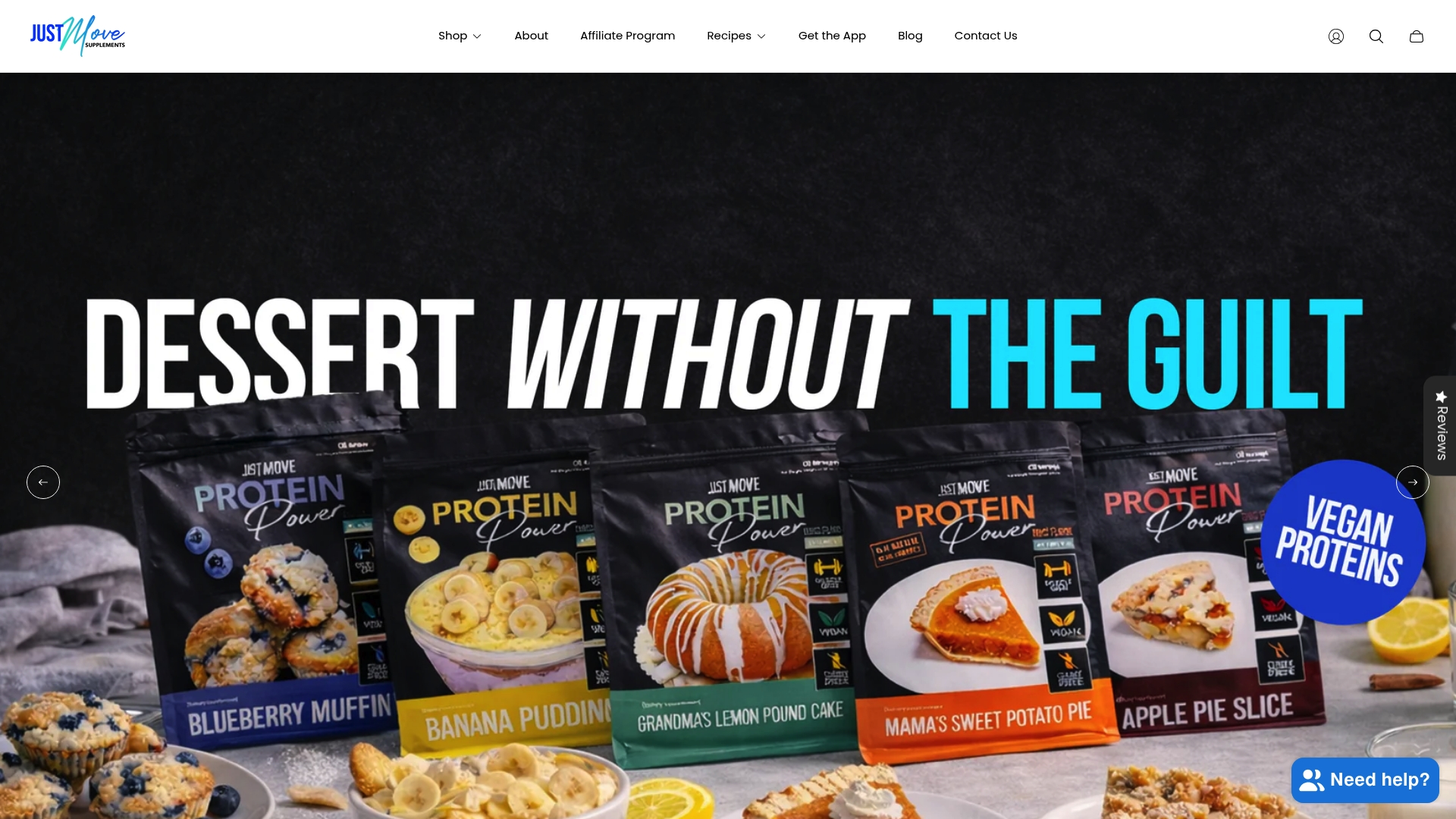
The Plain and Simple Unflavored Protein is the foundation of the lineup. It mixes into anything, contains no artificial flavors or sweeteners, and delivers clean, high-quality protein with a minimal ingredient profile. For those who want variety before committing to a full tub, the protein sample variety pack offers seven flavors to find the right fit. Every product is crafted with both effectiveness and taste in mind, so you get results without sacrificing the experience. ️
FAQ
What are the main benefits of high-protein meal replacements?
High-protein meal replacements preserve lean muscle mass, control appetite through hunger hormone regulation, and deliver consistent nutrition in a convenient format. Research shows they support fat loss while retaining up to 98.5% of lean muscle when protein intake reaches 80–120g daily.
How much protein should a meal replacement contain?
Clinical nutrition plans recommend 15–30g of protein per meal replacement serving. Post-workout, the International Society of Sports Nutrition advises 20–40g within 30–60 minutes of exercise for optimal muscle recovery.
Are high-protein meal replacements good for weight loss?
Yes. High-protein meal replacements create a calorie deficit while preserving metabolism and muscle mass. Protein’s effect on satiety hormones also reduces hunger and limits unhealthy snacking between meals.
Do meal replacements need fiber to be effective?
Fiber is a critical component of any effective meal replacement. Without it, high protein intake can cause digestive discomfort and gut microbiome imbalance. Look for at least 3–5g of fiber per serving from identifiable sources.
Are high-protein meal replacements safe for GLP-1 medication users?
High-protein meal replacements are well-suited for GLP-1 users because they concentrate essential nutrients into a small, easily tolerated volume. They address the appetite suppression and nausea that often make adequate nutrition difficult during GLP-1 therapy.
Recommended


