Yes, you can bring protein powder through TSA checkpoints in both carry-on and checked bags. The catch: any powder-like substance over 12 ounces (350 mL) in your carry-on gets pulled for separate screening and could face extra inspection. If you’re hauling a big tub, pack it checked and save yourself the wait.
TL;DR:
- Protein powder in containers over 12 ounces in carry-on bags must undergo separate screening and may face additional inspection, especially if unlabeled or opaque.
- Packing powders in original, labeled packaging or single-serve packets helps avoid delays and unnecessary scrutiny at TSA checkpoints.
- To prevent secondary screening or disposal, travelers should opt for checked bags for bulk supplies and carry smaller packets or empty shaker bottles for convenient shakes.
- International departures may have stricter or different powder restrictions, so travelers should verify local security rules before departure.
- Using travel-sized sample packs and portable shakers can eliminate the 12-ounce threshold issue, speeding up security clearance for frequent travelers.
Justmovesupplements
Pack Protein Flavors With Less Hassle
Explore varied protein options, including sample packs, for convenient portions that fit travel and your fitness routine.
Table of Contents
What Does TSA Actually Say About Protein Powder?
The 12-ounce rule is straightforward once you picture it: 12 ounces is roughly the size of a standard soda can. Anything larger than that, sitting loose in your carry-on, has to come out and go into its own bin for X-ray screening. TSA separates powders because fine, dense material can obscure what the X-ray machine sees inside a bag, so officers need a cleaner scan.
Not every powder gets the same scrutiny. TSA’s own guidance carves out exceptions for baby formula and medically necessary powders, which typically move through without the extra screening step.
Here’s what triggers a closer look at the checkpoint:
- Any powder-like substance exceeding 12 oz / 350 mL in a carry-on
- Loose or unlabeled powder that officers can’t quickly identify
- Containers that are opaque or unusually packed for their size
Quick fact: TSA officers have final discretion at every checkpoint. That means a permitted item like protein powder can still be flagged for manual inspection, swab testing, or, in rare cases, refused entry to the cabin if the officer can’t resolve what it is.
That last part matters more than most travelers realize. “Allowed” doesn’t mean “guaranteed to sail through.” It means the rules permit it, and the person standing at the X-ray machine still gets the final word.
How Do You Pack Protein Powder to Avoid Delays?
Most screening slowdowns come from one thing: ambiguity. An unlabeled tub of white powder gives a TSA officer nothing to work with, so they investigate. A factory-sealed, clearly labeled container gives them everything they need in about two seconds.
Here’s the packing sequence that keeps you moving:
-
Keep it in original packaging when you can. Labeled containers let officers identify the substance instantly.
-
Portion large supplies into single-serve packets or clear resealable bags. Anything under 12 oz skips the separate-bin step entirely.
-
Place powder containers near the top of your carry-on. Quick access means a quick check if one is requested.
-
Skip loose powder in opaque, unmarked containers. These are the ones that get pulled every time.
-
Double-bag larger tubs. If a container shifts or the seal isn’t perfect, you don’t want a mess inside your bag.
One more thing: don’t pre-mix your shake before security. Once protein powder hits liquid, it becomes a liquid under the 3-1-1 rule, and now you’ve traded one restriction for a stricter one.
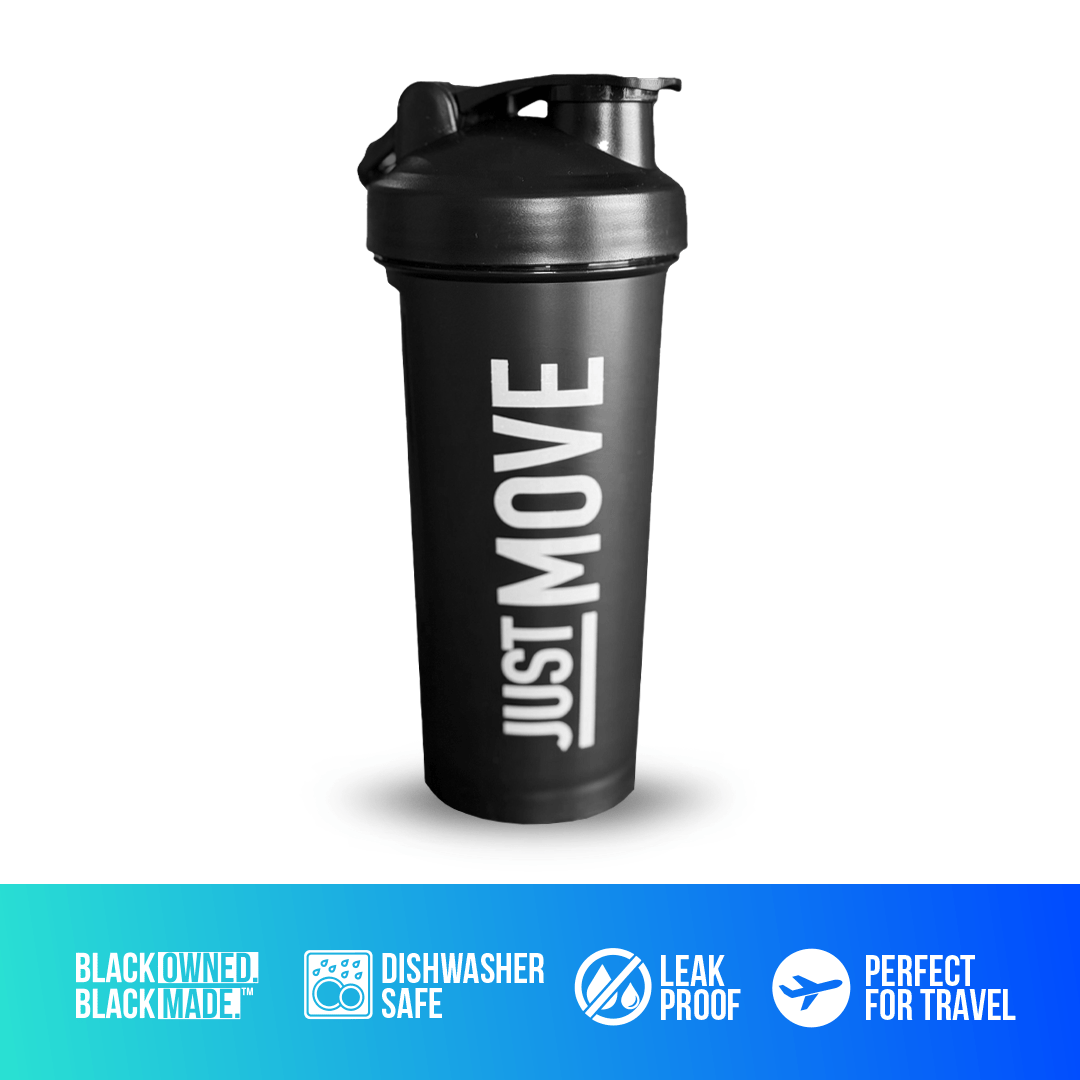
Pro Tip: Pack your shaker bottle empty and mix your protein after you clear security. It sidesteps the liquids rule entirely and keeps your carry-on screening simple.
Should Protein Powder Go in Carry-On or Checked Baggage?
The right answer depends on how much you’re carrying and how tight your schedule is.
-
Choose checked baggage for large tubs, bulk supplies, or anything over 12 oz you don’t need mid-flight. It removes any chance of secondary screening or disposal at the gate.
-
Choose carry-on for single-serve packets or containers under 12 oz, especially if you want a shake ready during a layover.
-
If you’re rushed, checked baggage is the safer bet, full stop. Travel guides consistently recommend checking large powders when time is tight.
-
If you need a mid-trip shake, pair single-serve packets with an empty shaker bottle instead of carrying a full tub.
Frequent flyers who travel with a week’s worth of protein tend to do both: bulk supply checked, a few single-serve packets in the carry-on for convenience.
What Happens During Secondary Screening?
If your powder gets flagged, expect one or more of these steps: a separate bin run through the X-ray a second time, a manual bag check, or a swab test on the container itself. Officers may need to open the original packaging to test it, so don’t seal anything in a way that makes access difficult.
Secondary screening can add anywhere from a few minutes to a noticeably longer wait, depending on checkpoint traffic. If you’re carrying a large quantity and cutting it close on time, that wait is exactly what you’re trying to avoid.
- Expect possible bin separation, manual inspection, or swab testing for anything over 12 oz
- Arrive earlier than usual if you’re traveling with bulk powder
- Unresolved powders may be barred from the cabin and disposed of at the checkpoint
That last outcome is rare, but it happens most often with unlabeled loose powder that an officer simply cannot identify quickly.
Do International Flights to the U.S. Follow the Same Rules?
The 12-ounce guidance applies at security checkpoints for flights headed to the U.S., but departure airports set their own rules, and they don’t all match TSA’s standard.
- Confirm your departure airport’s security guidance before you pack, especially outside the U.S.
- Rules vary by country, and some checkpoints apply stricter powder limits than TSA does
- Carry receipts or original labeling for any supplement powder if you’re departing from a country with tighter screening standards
If you’re a U.S. athlete traveling abroad for a competition, this is worth double-checking before you leave, not after you land at a foreign gate with a tub of pre-workout in your bag.
A Practical Fix for Frequent Travelers
Travelers who fly often with protein powder tend to solve this problem once and stop thinking about it. Single-serve sample packets sidestep the 12-ounce issue completely since each packet sits well under the threshold. Pair that with an empty shaker bottle, and you mix after security with zero liquids-rule complications.
- Sample packs and single-serve packets remove the >12 oz screening trigger entirely
- A dedicated travel shaker lets you mix protein once you’re past the checkpoint
- Both options travel cleaner than a bulk tub, with less risk of spills or delays
It’s a small adjustment that saves real time at the checkpoint, especially for anyone flying weekly for work or competition.
Quick Fixes Travelers Get Wrong
Most checkpoint delays trace back to two habits: mixing a shake before security and packing loose powder in an unmarked tub. Fix both, and you rarely get a second look. Keep your original packaging intact, portion your supply, and save non-essential quantities for checked bags. If you’d rather skip the guesswork, travel-ready protein options built for exactly this situation are worth a look.
— Just
Shop Travel-Ready Options From Just Move Supplements
Some supplement brands offer products designed to get real nutrition through a TSA checkpoint without the hassle of loose powder in a giant tub. The Salted Caramel Protein and Sweet Potato Pie Protein flavors are available in sample and single-serve formats, which means you stay under the 12-ounce threshold without sacrificing flavor variety on a trip.
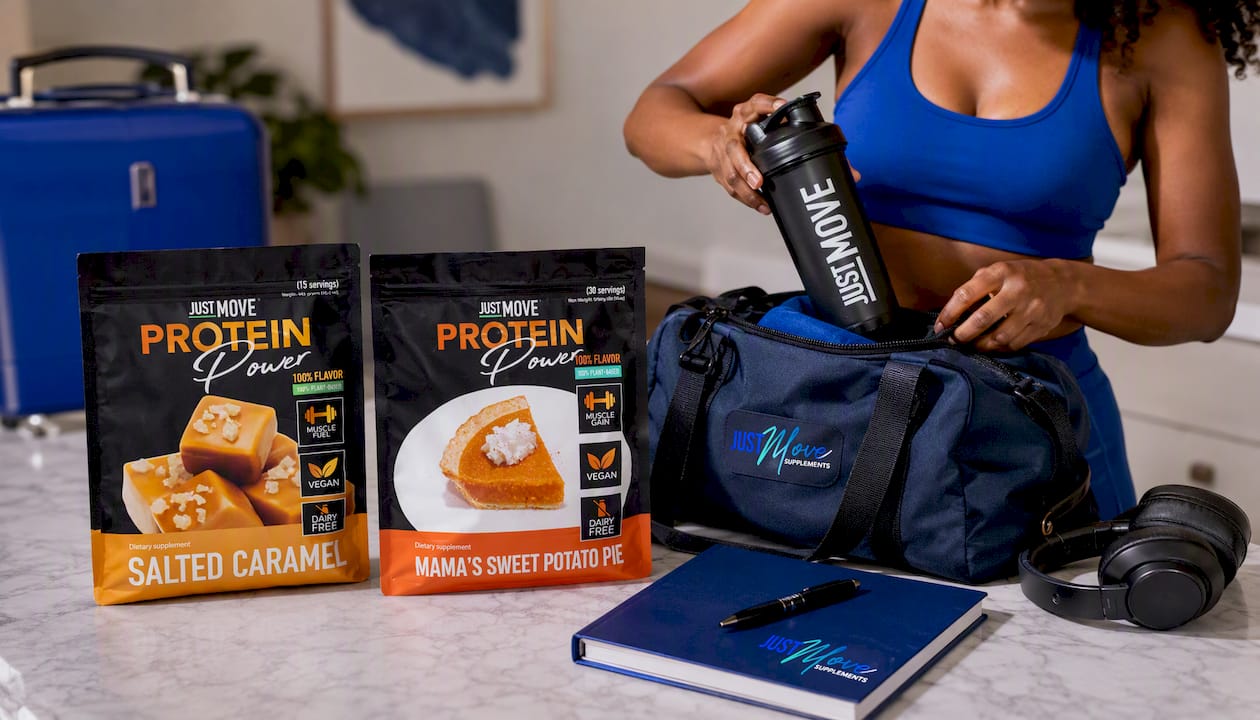
Pair either flavor with the Just Move 20 oz. Shaker Cup, designed to travel empty through security and mix a full shake the moment you’re past the checkpoint. Browse the full protein lineup to build a travel kit that fits your next trip, or check out the sample packs and shaker cups if you want to try a few flavors before committing to a full-size tub.
FAQ
Will TSA Flag Protein Powder?
TSA may flag protein powder only when the container exceeds 12 ounces (350 mL) and is carried in your bag rather than checked. Under that amount, it typically passes through standard X-ray screening without issue, per TSA’s own guidance.
Can I Fly With Protein Powder in My Carry-On?
Yes, protein powder is allowed in carry-on bags. Containers over 12 oz just need to go in a separate bin for X-ray screening, and may face additional inspection at the officer’s discretion.
Can I Take Protein Powder Through Airport Security?
You can take protein powder through security in both carry-on and checked luggage. The only extra step applies to quantities over 12 ounces in your carry-on, which require separate screening.
Can TSA Open My Protein Powder Container?
TSA officers can open a container if they need to test its contents, typically with a swab or chemical test. Keeping containers accessible and clearly labeled reduces how often this happens and speeds you through the checkpoint.
Recommended


