Take most caffeine-based pre-workouts 30 to 60 minutes before you train, giving caffeine time to reach peak blood concentration right as you hit your working sets. If your formula leans on dietary nitrates for endurance, push that window to 2 to 3 hours; citrulline-heavy pump formulas do best around the 60-minute mark. Whatever you choose, stop caffeine at least 6 to 8 hours before bedtime to protect your sleep.
TL;DR:
- Taking pre-workout 30 to 60 minutes before training optimizes caffeine effects, but endurance supplements like nitrates require 2 to 3 hours for full benefit.
- For caffeine and citrulline, timing closer to 60 minutes enhances pumps and endurance, while explosive activities benefit from a 20 to 30-minute window.
- Chronic ingredients like beta-alanine and creatine do not depend on timing as long as they are taken consistently each day.
- Eating within an hour of training can delay absorption, so adjust pre-workout timing if you have eaten recently.
- Testing different pre-workout timings across multiple sessions provides the most accurate way to determine your ideal window.
Justmovesupplements
Find Your Pre Workout Fit
Explore Just Move Supplements for varied protein options and nutritional supplements designed with taste and effectiveness in mind.
Table of Contents
What’s the Ideal Pre-Workout Timing Window?
Caffeine hits peak blood concentration roughly 30 to 60 minutes after you swallow it, which is exactly why that window has become the standard recommendation for most pre-workout formulas. Your body absorbs it fast, focus sharpens, perceived effort drops, and your working sets start right as the curve peaks.
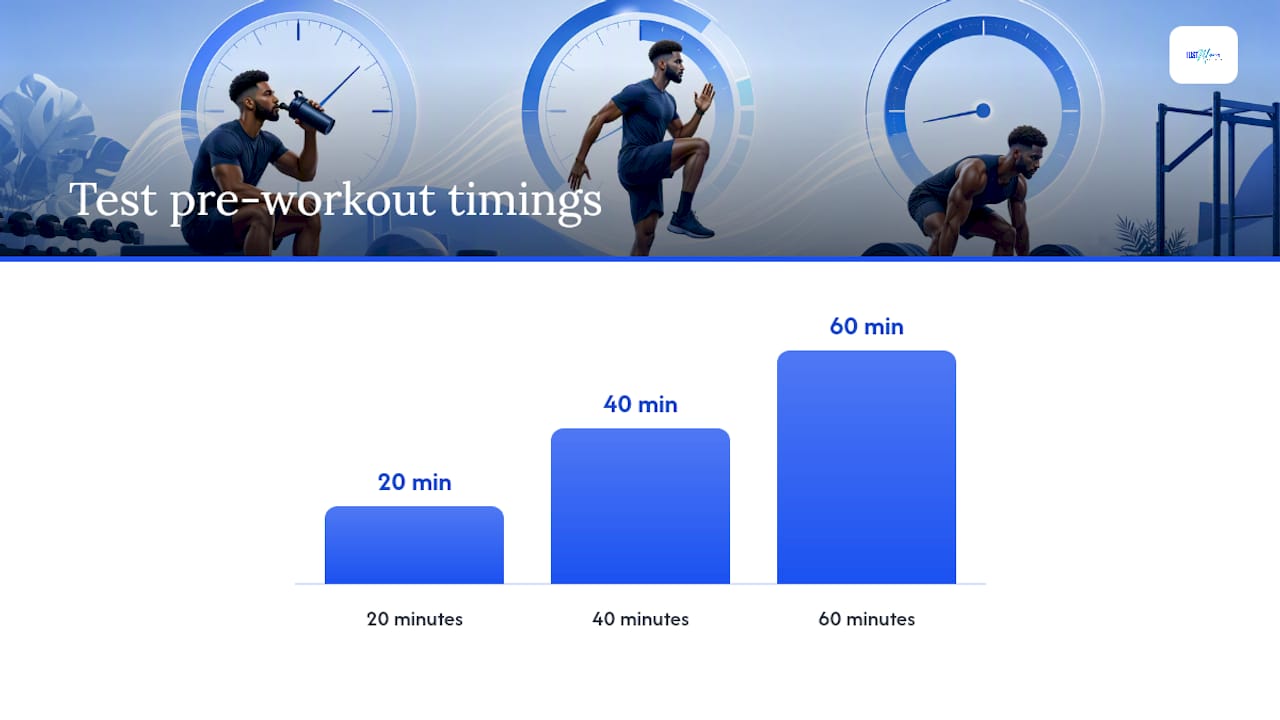
The right window still shifts depending on what you’re training for. Short, explosive sessions like sprint work or heavy singles respond well to the tighter 20 to 30 minute end of that range, since you want the caffeine kick without a long wait around the gym. Endurance work and pump-focused lifting sessions often benefit from creeping closer to 45 or 60 minutes, since ingredients like citrulline are still climbing toward their own peak at that point.
Here’s a simple protocol to line things up:
- Hydrate well 15 to 20 minutes before your dose. Dehydration slows gastric absorption and can dull the kick you’re expecting.
- Take your dose, then start your warmup immediately. You want the caffeine curve rising while you’re doing mobility work and lighter warmup sets, not sitting idle.
- Hit your first hard working set right around the 30 to 45 minute mark and pay attention to how it feels. Too flat? Nudge the timing later next session. Jittery or overcooked? Pull it earlier or lower the dose.
Pro Tip: Run the same pre-workout at three different timings across three separate sessions, 20 minutes, 40 minutes, and 60 minutes, and rate your focus, strength, and pump on a simple 1 to 10 scale each time. Three data points beat guessing forever.
How Does Timing Change By Ingredient?
Not every active in your tub works on the same clock, and that’s the part most labels never explain. A single “take 30 minutes before training” instruction on the back of the tub is really a caffeine instruction, because caffeine dominates the acute, in-the-moment effect and drowns out the more gradual actives riding alongside it.
-
Caffeine peaks around 30 to 60 minutes post ingestion and directly lowers your rating of perceived exertion, which is why heavy sets feel more manageable right in that window.
-
Citrulline and other pump actives build more slowly, so pushing your dose closer to the 60 minute mark tends to reward pump-heavy or higher-volume sessions better than a rushed 20 minute window.
-
Dietary nitrates from beetroot need the most lead time of anything in a pre-workout. Research shows measurable endurance and pacing benefits when nitrates are consumed 2 to 3 hours before exercise, not 30 minutes.
-
Beta-alanine and creatine work through chronic loading rather than a same-day spike, so their acute timing barely matters as long as you’re taking them consistently day after day.
That last point deserves a second look, because it changes how you should read your own tub’s label. If your formula blends caffeine with beta-alanine and creatine, the “30 minutes before” instruction is really about the caffeine and citrulline, not the other two, which are quietly doing their job over weeks rather than minutes. Physiology research on supplement kinetics backs this staggered timing pattern across ingredients.
Does Eating Before Training Change Your Timing?
A meal in your stomach slows gastric emptying, which delays how fast caffeine and other actives hit your bloodstream. If you’ve eaten within the hour, you may need to take your dose slightly earlier than you would fasted, since digestion is competing for absorption time. Training fasted speeds things up considerably, sometimes cutting that onset closer to 20 minutes, which is worth knowing if you’re the type who trains before breakfast.
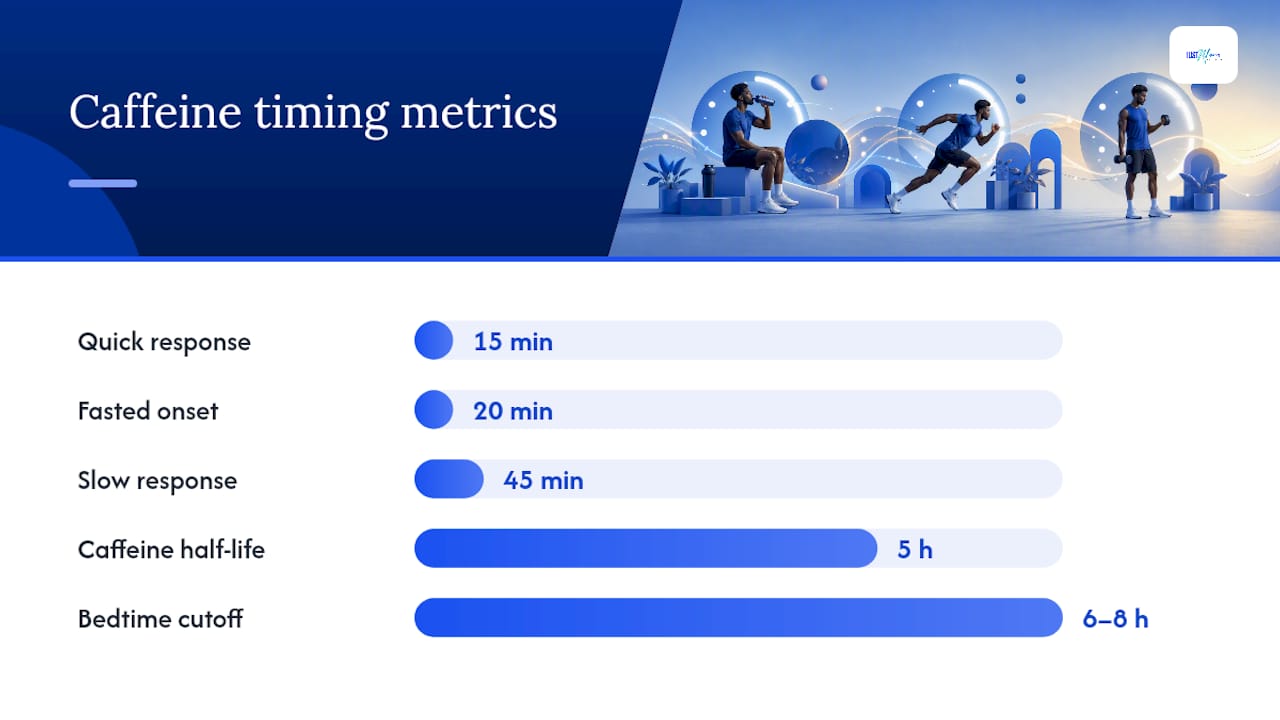
Metabolism varies person to person, and it’s one of the biggest hidden variables behind why the same scoop hits differently for two lifters on the same program. Some people feel a caffeine kick in 15 minutes; others need 45. The only real fix is testing your own response across a few sessions rather than copying a friend’s routine.
A few other factors worth flagging:
- Oral contraceptives can slow caffeine clearance, meaning the same dose lingers longer in your system. That’s worth discussing with a doctor if you’re sensitive to stimulants or pregnant, since caffeine guidance changes in that case.
- Training late in the day calls for stim-free formulas or a lower caffeine cap, since caffeine’s half-life runs around five hours and a 6 to 8 hour cutoff before bed protects your sleep quality.
- Skip or delay your scoop if you’re dealing with GI distress, an already-elevated resting heart rate, or you’re feeling under the weather. Pushing through on stimulants when your body is already stressed rarely ends well.
How Much Pre-Workout Should You Take, and How Often?
Dosing discipline matters as much as timing. Start with a half scoop on your first try with any new formula, then move to a full scoop only once you know how your body responds, especially with a stronger blend like the ones in the Energy Rush line.
Keep total daily caffeine under roughly 400 milligrams, factoring in coffee, tea, and any other stimulant sources alongside your pre-workout scoop. A single scoop of most pre-workouts already delivers a meaningful chunk of that ceiling, so stacking a large coffee on top can push you past a comfortable limit fast.
- Cycle off stimulant pre-workouts for a week every 6 to 8 weeks to keep tolerance from creeping up.
- Watch for jitteriness, elevated heart rate, or trouble sleeping as signs to scale back the dose or the frequency.
- If you’re pregnant, at a very low body weight, or managing a cardiac condition, talk to a doctor before adding any stimulant pre-workout to your routine.
Pro Tip: If you’re not sure whether you need a full pre-workout or just black coffee will do, save the stronger stuff for your one or two toughest sessions each week rather than every single workout.
A great-tasting pre-workout formula only matters if you’re taking it at the right moment to feel it. The brand’s commitment to flavor and customer satisfaction runs alongside a genuine focus on getting the fundamentals right, not just the taste.
This isn’t guesswork dressed up as advice. The timing framework in this guide reflects the same thinking behind how Justmovesupplements writes about recovery and nutrition timing for athletes across its blog…
What the Research Actually Tells You to Prioritize
Most pre-workout advice treats timing like a single fixed rule, and that’s where it falls short. The 30 to 60 minute window is a solid default, but it’s really a caffeine rule wearing a pre-workout label. Once you know your formula’s actual ingredient mix, that default should bend.
The bigger miss in conventional advice is treating timing as a one-time decision instead of a testable variable. Three sessions of deliberate experimentation, tracking focus, strength, and pump against the clock, will tell you more about your ideal window than any generic chart ever will.
If you take one thing from this guide, prioritize the sleep cutoff over the perfect pre-workout minute. A slightly imperfect timing window that still lets you sleep well beats a flawless pump session followed by three nights of restless sleep. Recovery is where the actual gains get locked in.
— Just
Ready to Test Your Own Pre-Workout Timing?
Now that you know the timing framework, the fastest way to find your sweet spot is testing it with a formula you actually enjoy taking. Fruit Punch Energy Rush -Pre Workout and Sour Watermelon Energy Rush - Pre Workout are both built around the caffeine and citrulline profile covered in this guide, which means the 30 to 60 minute window applies directly.
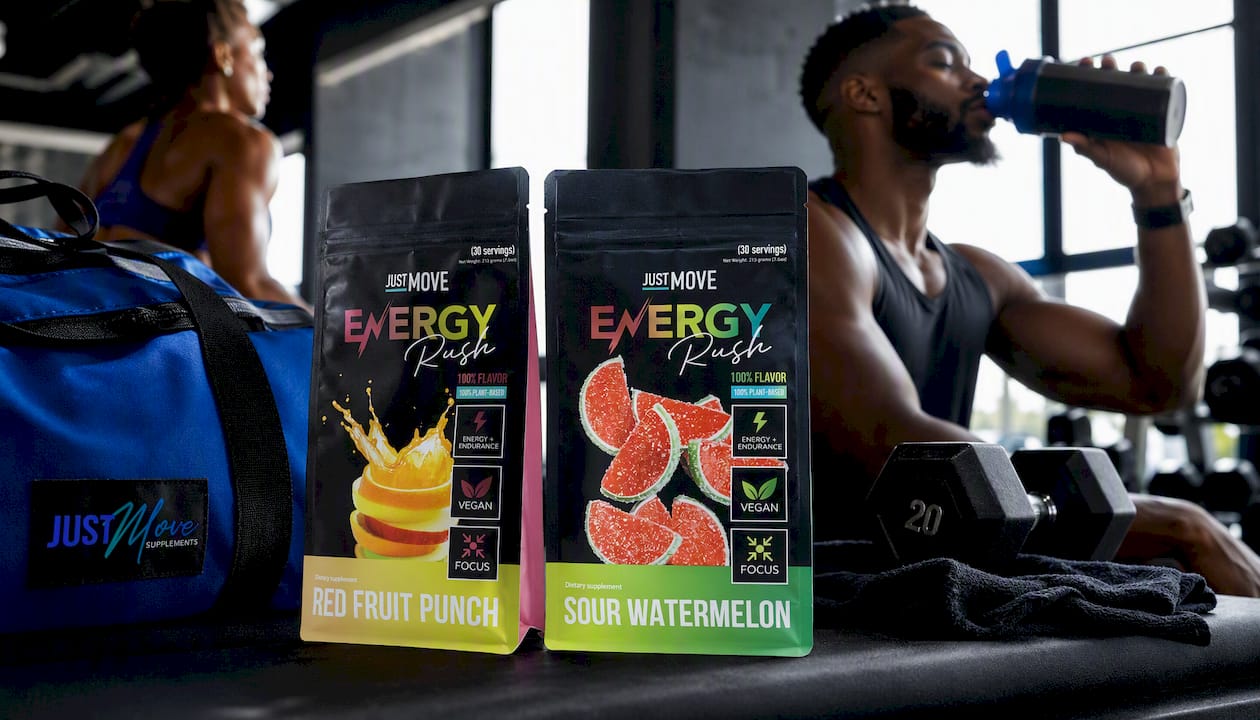
Start with a half scoop of whichever flavor sounds better to you, then run the three-session test from earlier in this guide, 20 minutes, 40 minutes, and 60 minutes pre-training, to lock in your personal timing. If you’d rather sample a broader range of flavors and formulas before committing to a full tub, browse the full Energy Rush and protein lineup or check out the sample packs and shaker cups to build out your full pre-workout routine. Pick a flavor, set a timer for your next session, and see how it feels.
Sources
Timing and sleep-cutoff guidance draws on reporting from Health.com and Prevention, alongside peer-reviewed ingredient studies indexed on PubMed and PMC.
This article is general information, not a substitute for advice from a qualified doctor. Consult a qualified healthcare professional about your own circumstances before acting on anything here.
FAQ
What Time Should I Take My Pre-Workout?
Take most caffeine-based pre-workouts 30 to 60 minutes before training so the caffeine peak lines up with your working sets. If your formula contains dietary nitrates, take it 2 to 3 hours earlier instead for full endurance benefits.
What Is the 3-3-3 Rule for the Gym?
The 3-3-3 rule isn’t a standard, research-backed pre-workout timing framework, and definitions of it vary widely depending on where you see it referenced. If you’re looking for a tested timing routine instead, the three-session protocol covered earlier in this guide (testing 20, 40, and 60 minute windows) is the more reliable approach.
Is 4pm Too Late for Pre-Workout?
It depends on your bedtime and your caffeine sensitivity. Since caffeine’s half-life runs around five hours, a 6 to 8 hour cutoff before bed is the safer benchmark. If you go to bed at 10pm, taking caffeine 6 to 8 hours before bedtime is the safer benchmark, so a lower-caffeine or stim-free option is worth considering.
How Long Does It Take Pre-Workout to Kick In?
Most people feel caffeine’s effects within 15 to 30 minutes, with full peak concentration arriving around the 30 to 60 minute mark. Other ingredients like citrulline build more gradually, which is why pump effects sometimes show up a bit later in a session.
Does Justmovesupplements Recommend a Specific Timing for Energy Rush?
Justmovesupplements recommends applying the same 30 to 60 minute window covered in this guide when using its Energy Rush pre-workouts, adjusting slightly later for pump-focused sessions. Current pricing and flavor options are available on the product pages.
Recommended


