A clean energy supplement is a dietary product that delivers sustained, low-crash energy through plant-derived caffeine sources, supporting cofactors like L-theanine and B-vitamins, and minimal artificial additives. For athletes and fitness enthusiasts, “clean” means the formula works with your body’s natural energy pathways rather than hammering your nervous system with synthetic stimulants and sugar.
Here is what separates a genuinely clean formula from clever marketing:
-
Natural caffeine source (green tea, guarana, yerba maté, or guayusa) with the milligrams clearly listed per serving
-
Supportive cofactors such as L-theanine, B-vitamins, or ribose that smooth energy delivery and support cellular ATP production
-
Minimal artificial sweeteners, synthetic dyes, or proprietary blends that hide ingredient amounts
-
Third-party testing seal (NSF Certified for Sport, Informed-Sport, or USP) confirming what the label says is actually in the product
Pro Tip: Flip the product to the Supplement Facts panel before anything else. Find “caffeine” and check two things: the milligrams per serving and the source. If neither is listed, put it back.
Key Takeaways
Clean energy supplements deliver sustained, low-crash energy through plant-derived caffeine, L-theanine, B-vitamins, and adaptogens, with full ingredient transparency as the non-negotiable standard.
| Point |
Details |
| Clean energy definition |
Plant-derived caffeine plus cofactors like L-theanine and B-vitamins, with full milligram disclosure per serving. |
| Top label check |
Confirm caffeine source and exact milligrams; reject any proprietary blend that hides individual ingredient amounts. |
| Safety ceiling |
Most clean pre-workouts carry 100–200 mg caffeine per serving; total daily intake across all sources should stay within safe limits for healthy adults. |
| Timing window |
Take 30–45 minutes pre-workout; cut caffeine at least 6 hours before sleep to protect recovery. |
| Justmovesupplements option |
The Just Shred Green Apple Fat Burner and Energy Rush line meet the clean-energy checklist with transparent labeling and disclosed ingredient amounts. |
Table of Contents
How clean energy supplements work during your training
Clean-energy formulas aim to smooth stimulant absorption and support cellular energy pathways rather than deliver a single sharp spike. The mechanism starts with the plant matrix itself. Natural plant sources like green tea carry L-theanine alongside caffeine, and that co-occurring amino acid blunts the jitter response many athletes associate with synthetic caffeine isolates. Guarana seeds release caffeine more gradually and carry additional compounds that further modulate stimulant action.
B-vitamins (particularly B6, B12, and niacin) support the metabolic pathways that convert food into ATP, the cell’s actual energy currency. Ribose, a five-carbon sugar, feeds directly into ATP resynthesis and appears in some formulas specifically to support recovery between hard sets. Adaptogens like ashwagandha or rhodiola work differently: they help regulate the stress-hormone response that spikes during intense training, which can reduce perceived fatigue over a session.
How each ingredient group lands during a workout:
-
Warm-up phase: Natural caffeine begins raising alertness; L-theanine keeps focus clear without anxiety
-
High-intensity work: B-vitamins support ATP turnover; beta-alanine (when included) buffers muscle acid
-
Long endurance sessions: Adaptogens help manage cortisol; ribose and carbohydrates sustain cellular energy
Common ingredients in clean energy supplements and what they do
Formulators increasingly rely on plant-based stimulants, adaptogens, and functional cofactors to deliver sustained energy while supporting clean-label claims. The table below covers the most common ingredient categories you will find on labels.
| Ingredient Category |
Performance Function |
Safety / Dosage Notes |
| Natural caffeine (green tea, guarana, yerba maté) |
Alertness, endurance, power output |
Typical pre-workout range: 150–300 mg per serving; total daily intake matters |
| L-theanine |
Reduces jitter, supports calm focus |
Often paired 1:1 with caffeine; well-tolerated |
| B-vitamins (B6, B12, niacin) |
ATP metabolism, energy conversion |
Water-soluble; excess excreted, but mega-doses of B6 warrant caution |
| Adaptogens (ashwagandha, rhodiola) |
Stress/cortisol modulation, reduced fatigue |
Effects build over days to weeks; not an acute stimulant |
| Ribose |
ATP resynthesis support |
Generally safe; modest evidence in high-intensity repeat efforts |
| BCAAs / Tyrosine |
Muscle protein support; dopamine precursor for focus |
Tyrosine most useful under stress or sleep deprivation |
A few trade-offs worth knowing:
- Natural caffeine may feel smoother, but the milligrams still accumulate. A “natural” label does not mean low-dose.
- Adaptogens add real functional value but work over time, not in a single serving.
-
Creatine has the strongest performance evidence of any supplement category; a clean-label product that omits a clinical dose of creatine in favor of marketing language is not automatically the better performance choice.
How clean energy supplements compare to traditional pre-workouts and energy drinks
Clean formulas typically lower crash and jitter risk while adding functional benefits, but they may deliver a different acute performance profile than high-stimulant products. Many conventional pre-workouts report caffeine in the 150–300 mg per serving range, often from synthetic anhydrous caffeine, with beta-alanine and creatine added for performance. Traditional energy drinks frequently add significant sugar and synthetic colorants on top of that stimulant load.
Key differences by dimension:
-
Stimulant profile: Clean products use plant-derived caffeine with co-occurring compounds; traditional products often use isolated synthetic caffeine for a faster, sharper onset
-
Sugar and calories: Clean formulas typically use stevia or erythritol and keep calories low; many conventional energy drinks carry 25–50 grams of sugar per can
-
Label transparency: Clean products list full milligram amounts; traditional pre-workouts often hide doses inside proprietary blends
-
Functional benefits: Clean formulas may add adaptogens, antioxidants, or electrolytes; traditional products focus on acute stimulant and pump effects
-
Crash and jitter risk: Lower in clean formulas due to plant matrices and L-theanine; higher with synthetic caffeine and sugar combinations
Which approach fits your training goal:
-
Short maximal lifts or power sports: A higher-stimulant product with clinical creatine and citrulline doses may edge out a clean formula for acute output
-
Long endurance sessions or back-to-back training days: Clean formulas with adaptogens and steady caffeine release tend to support sustained focus without the post-session crash
Safety, dosing, and medical cautions for U.S. athletes
Caffeine milligrams, label transparency, and awareness of interactions are the three safety pillars every U.S. athlete should check before starting a new formula. The FDA’s guidance for healthy adults points to 400 mg per day as a general upper reference; athletes stacking a pre-workout with coffee, tea, or other caffeinated products can hit that ceiling faster than expected.
Practical dosing guidance:
- Most clean pre-workouts contain a moderate caffeine amount per serving, leaving room for a morning coffee without exceeding daily limits
- Cut off caffeine at least 6 hours before sleep to protect recovery quality
- Athletes with heart conditions, hypertension, anxiety disorders, or who are pregnant should consult a clinician before adding any caffeinated supplement
Pro Tip: Try any new formula on a regular training day, not on competition day. Track your heart rate, perceived exertion, and how you sleep that night. Three sessions of data tells you far more than one.
Label transparency and third-party testing seals are especially important for competitive athletes who face drug-testing protocols. NSF Certified for Sport and Informed-Sport both screen for banned substances, which no amount of “clean” marketing language can replace.
How to choose a clean energy supplement: your label checklist
Follow this checklist to validate whether a product’s “clean” claim holds up under scrutiny. “Natural energy” and “clean” are marketing terms, not regulated categories, so the label is the only real evidence.
Green lights to look for:
- Caffeine source named (green tea extract, guarana, yerba maté) with exact milligrams per serving
- Full milligram amounts for every active ingredient, no proprietary blends
- Sweetener type listed (stevia, erythritol, or monk fruit preferred over aspartame or sucralose)
- Third-party testing seal: NSF Certified for Sport, Informed-Sport, or USP
- Clear serving size and number of servings per container
- Allergen and vegan/vegetarian status if relevant to you
Red flags that warrant a closer look:
- “Proprietary blend” with a total weight but no per-ingredient milligrams
- Vague “natural energy complex” language with no named sources
- More than 10 grams of added sugar per serving
- Synthetic dyes (Red 40, Blue 1) in a product claiming clean status
- No third-party testing seal on a product marketed to competitive athletes
The Sour Watermelon Energy Rush pre-workout from Justmovesupplements is a practical example of a transparent label: caffeine source and milligrams are clearly disclosed, and the formula avoids the proprietary-blend structure that makes label verification impossible.
When and how to take clean energy supplements for best results
The practical timing window for most clean pre-workout formulas is 20–60 minutes before training. Natural caffeine from plant sources tends to absorb slightly more gradually than synthetic isolates, so erring toward the 30–45 minute mark gives the formula time to reach peak effect.
Stacking rules that protect both performance and safety:
- Never double-stack caffeinated products (pre-workout plus energy drink) without accounting for total milligrams
- Pair with 20–40 grams of carbohydrates for endurance sessions to support glycogen alongside the stimulant effect
- Add creatine separately if clinical performance doses are a goal; most clean formulas carry sub-clinical amounts
- Test any new formula in training, not on competition day, especially if you are subject to drug testing
| Ingredient |
Optimal Timing |
Reason |
| Natural caffeine |
30–45 min pre-workout |
Allows gradual absorption to peak at training start |
| L-theanine |
Same as caffeine (typically co-formulated) |
Works synergistically with caffeine for calm focus |
| Adaptogens |
Daily, with or without training |
Cumulative effect; not acutely timed |
| B-vitamins |
Pre-workout or with a meal |
Support metabolic pathways during exercise |
| Ribose |
Pre- or post-workout |
Supports ATP resynthesis before or after high-intensity effort |
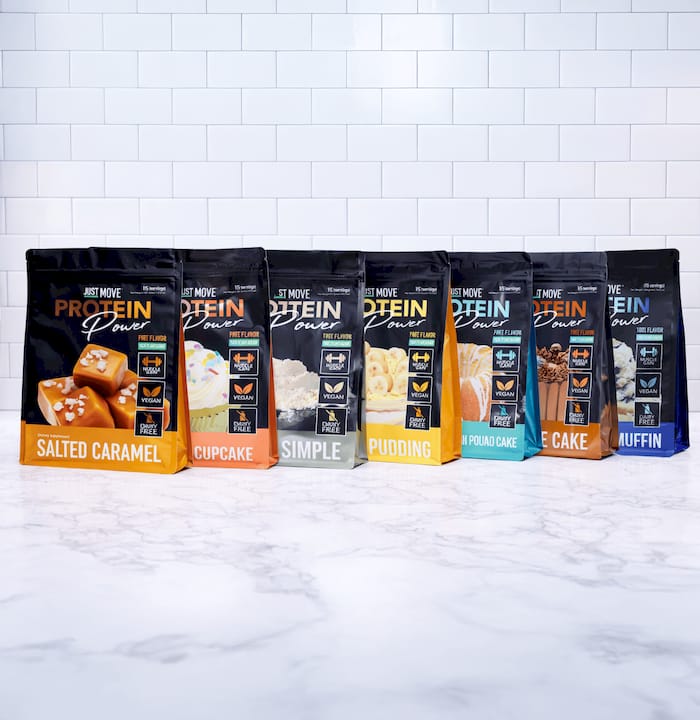
For athletes combining energy supplements with protein, pairing an energy formula with a post-workout protein serving supports both performance and recovery without adding a second stimulant load.
Food-based and behavioral alternatives that support training energy
Food, hydration, sleep, and caffeine timing can replace or complement supplements for many workouts, particularly for athletes who are sensitive to stimulants or training in an off-season phase.
Practical alternatives:
-
Strategic coffee: A well-timed cup of quality coffee delivers natural caffeine with documented performance benefits and no proprietary blends to decode
-
Carbohydrate timing: 30–60 grams of fast-digesting carbs 30–45 minutes before training fuels glycolysis without any stimulant
-
Small whole-food pre-workout: A banana with almond butter or oats with honey provides steady glucose and potassium
-
Sleep and nap strategies: A 20-minute nap before an afternoon session can match the alertness benefit of 200 mg of caffeine for some athletes
-
Hydration and electrolytes: Even mild dehydration reduces power output and perceived energy; sodium and potassium replenishment matters before long sessions
An athlete should lean toward food-based energy when: they are sensitive to caffeine, competing under strict drug-testing rules that make third-party verification critical, managing anxiety or sleep disruption, or simply in a low-intensity training block where a stimulant adds no real benefit.
Why ingredient transparency is the real clean-energy standard
The fitness industry has made “clean” a popular word, but the athletes who benefit most from clean energy formulas are the ones who look past the label claim and check the actual panel. A product with a beautiful design and a “natural” badge can still hide a proprietary blend, an unverified caffeine source, or a dose of adaptogens too small to do anything.
What actually matters is whether the formula gives you a clear, honest account of what you are putting in your body before a training session. Transparency is not a marketing feature. For competitive athletes especially, it is a safety requirement. Third-party testing seals exist because marketing language has no enforcement mechanism, and the gap between what a label claims and what a product contains has been documented repeatedly across the supplement industry.
Clean energy as a concept is genuinely useful when it points to plant-derived caffeine, supporting cofactors, and a label you can read and verify. When it is just a design choice, it is worth nothing.
Justmovesupplements’ clean energy lineup: see how it fits the checklist
Justmovesupplements builds its energy and fat-burner products around the same checklist this article lays out: disclosed caffeine sources, full ingredient milligrams, and formulas designed for athletes who want performance without the guesswork of hidden blends.
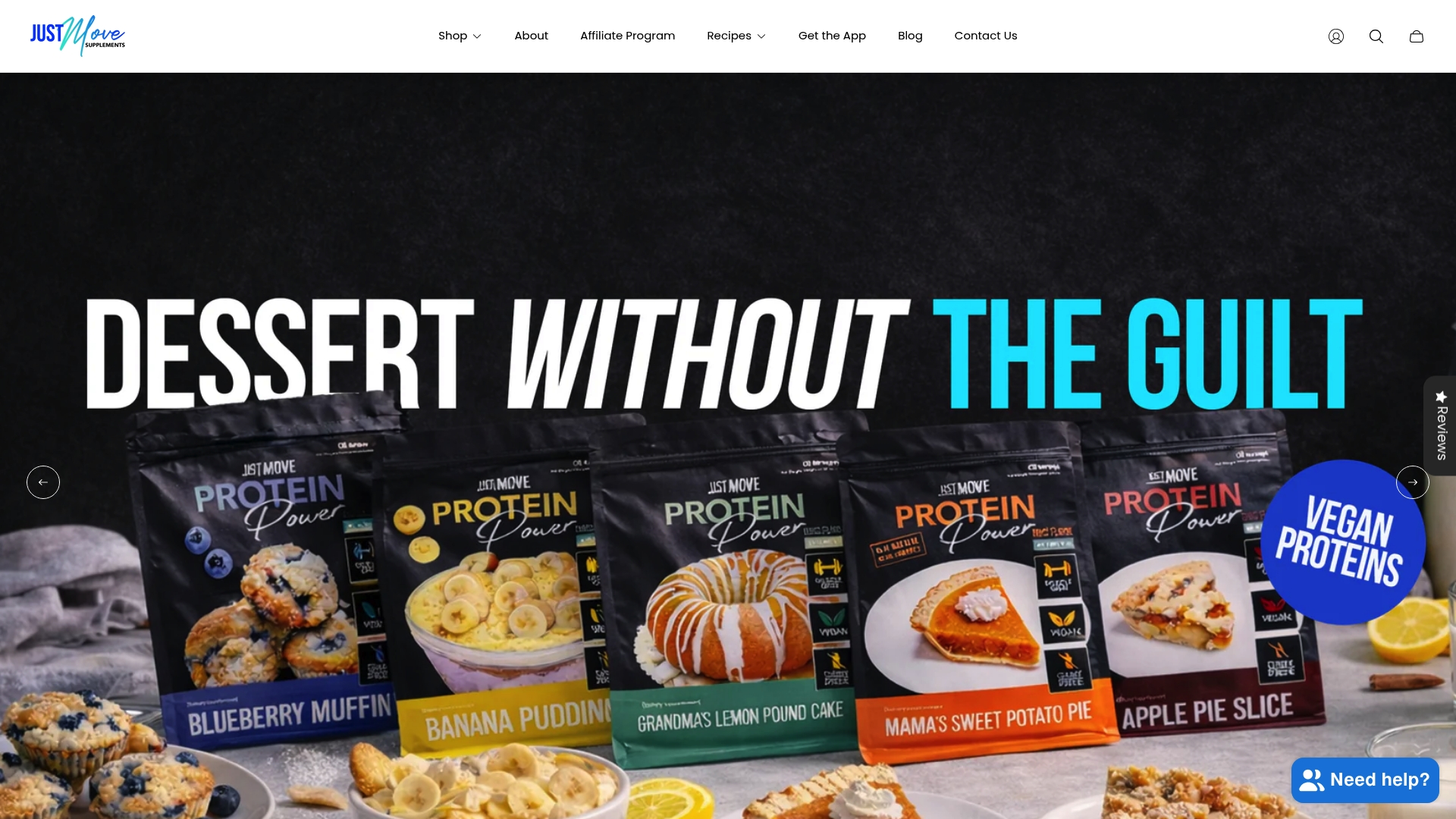
The Just Shred Green Apple Fat Burner is a strong example. It targets athletes who want energy support alongside a fat-loss goal, with a transparent label that names its active ingredients and their amounts. No proprietary blends, no mystery doses. The full fat burner collection at Justmovesupplements covers multiple goals and formats, from stimulant-supported options to products designed for athletes who prefer a lower-caffeine approach. If you want to see how the Energy Rush pre-workout stacks up against traditional pre-workout formulas, that comparison is worth reading before your next purchase. Browse the full lineup at Justmovesupplements and find the formula that matches your training goals and your label standards.
Sources
This article is general information, not a substitute for advice from a qualified doctor. Consult a qualified healthcare professional about your own circumstances before acting on anything here.
Recommended


