Vega is a plant-based nutrition brand that sells protein powders, all-in-one shakes, and recovery supplements built entirely from vegan ingredients. If you train regularly, avoid dairy, or want a cleaner protein source, Vega’s core lineup is worth a serious look. Athletes who prioritize high protein per serving and minimal added sugar will find the sport-focused SKUs most useful; casual users who want a nutritional safety net in one scoop lean toward the all-in-one options. Third-party certifications and non-GMO verified labeling are consistent across the main product families, which matters when you’re comparing powders in a crowded market.
Pro Tip: Harvard Health advises using supplements to fill nutritional gaps, not as your primary food source. Pair any protein powder with whole foods for the best results.
Table of Contents
What does plant-based Vega actually offer?
Vega organizes its lineup into three clear product families. Here’s how they stack up on the dimensions that matter most to buyers.
| Product Family |
Protein per Serving |
Calories |
Sugar / Added Sugar |
Primary Protein Sources |
Best Use |
Certifications |
Est. Price per Serving |
| Vega One All-in-One |
20 g per serving |
Calories in the mid-range for protein shakes |
Low added sugar |
Pea, hemp, SaviSeed |
Meal replacement |
Vegan, Non-GMO |
Approximately two to four dollars |
| Vega Essential Protein |
25 g per serving |
lower calorie range typical for protein powders |
minimal added sugar |
Pea, brown rice, fava |
Post-workout, everyday |
Vegan, Non-GMO |
mid-range pricing |
| Vega Sport Performance |
30 g per serving |
moderate calorie level |
low added sugar |
Pea, pumpkin seed, alfalfa |
Sport recovery |
NSF Certified, Vegan |
higher price point |
Commercial plant-based protein powders typically target 20–30 grams of protein per serving, and Vega’s range lands squarely in that window. The all-in-one shake adds greens, fiber, and vitamins, which is why it contains 20 g of protein per serving—lower than the 25–30 g per serving provided by the sport-focused options—and has a higher calorie count. Most containers offer multiple servings, so a larger tub costs correspondingly more retail overall.
-
Vega One All-in-One: Greens, omega-3s, probiotics, and vitamins alongside protein. Designed as a partial meal replacement, not a pure protein hit.
-
Vega Essential Protein: Cleaner label, higher relative protein density, lower calorie count. Best for post-workout or adding protein to a smoothie without extra calories.
-
Vega Sport Performance: The highest protein per scoop in the lineup. NSF Certified for Sport, which matters if you compete in tested sports.
Who gets the most out of these plant-based products?
Well-planned plant-based diets can meet protein and micronutrient needs at every life stage, and these powders fit naturally into that picture for several groups.
-
Athletes and gym-goers who want 25–30g of protein post-workout without whey or casein, as offered by Vega’s Sport Performance line.
-
Busy adults who skip breakfast and need a fast, nutrient-dense option that covers more than just protein.
-
People avoiding dairy, whether for allergy, intolerance, or ethical reasons.
-
Vegans and flexitarians who already eat mostly plants and want a convenient protein top-up.
Population studies consistently link plant-forward eating to lower risks of heart disease, hypertension, and type 2 diabetes, especially when the diet centers on minimally processed foods. A protein powder fits that pattern best when it supplements whole-food meals rather than replacing them. For practical ideas on combining powders with real food, resources like cashew kale quinoa bowls with crispy tofu show how to hit protein targets from whole sources alongside a shake.
Pro Tip: If your goal is muscle building, use the sport or essential protein SKU post-workout and save the all-in-one for mornings when you need a faster, more complete meal.

Nutrition highlights: protein, calories, sugar, and key ingredients
The ingredients column is where plant-based powders diverge most. Common plant protein sources include pea, brown rice, hemp, soy, and fava, each with a different amino acid profile and digestibility score.
| Ingredient |
Amino Acid Completeness |
Digestibility |
Notes |
| Pea protein |
High BCAA, low methionine |
Good |
Most common base in Vega products |
| Brown rice |
Low lysine |
Moderate |
Pairs well with pea to improve completeness |
| Hemp |
Full amino acid profile |
Moderate |
Adds omega-3 fatty acids |
| Fava bean |
Good lysine content |
Good |
Emerging source, used in Essential line |
| Soy |
Complete amino acid profile |
High |
Not present in all Vega SKUs; check label |
Pea protein alone is low in methionine, which is why blending it with brown rice or fava improves the overall amino acid score. Vega’s formulations use this blending strategy deliberately. The all-in-one products add greens and fiber, which increases calorie density and lowers relative protein per scoop compared to a pure sport powder.
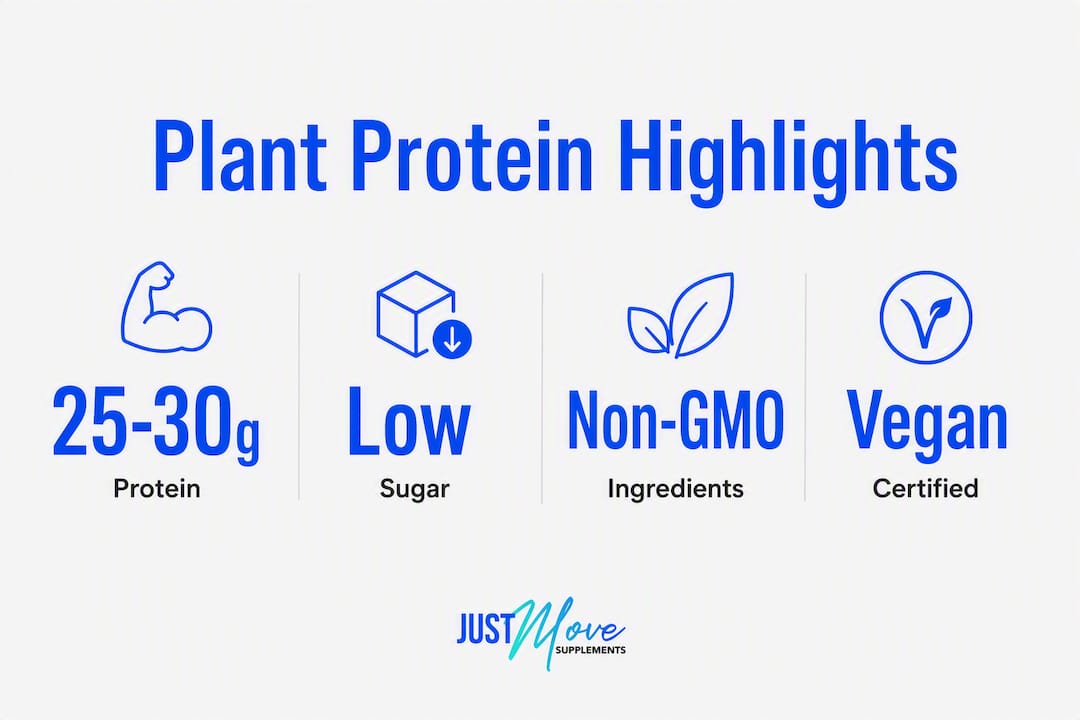
Stat to know: Commercial plant-based protein powders commonly target 20–30 grams of protein per serving. Vega’s lineup covers this full range, with sport powders offering 30 g per serving and meal-replacement shakes like Vega One landing at 20 g per serving due to the inclusion of extra vitamins, fiber, and greens.
Cleveland Clinic dietitians warn that a “vegan” label does not guarantee a clean product. Check the added sugar line and the ingredient list for ultra-processed fillers before you buy.
How to pick the right Vega SKU for your goal
Start with your primary goal, then work through this checklist.
-
Set your protein target. Post-workout recovery typically calls for a higher protein amount per serving suitable for muscle repair. A meal replacement can work with 20g if the product also delivers fiber and micronutrients.
-
Check added sugar. Under 2g added sugar per serving is a reasonable benchmark for a daily-use powder.
-
Scan the allergen panel. Vega products are generally free from dairy and gluten, but some SKUs contain soy or tree nuts. Confirm before buying.
-
Verify certifications. Non-GMO Verified and Certified Vegan appear across the main lineup. NSF Certified for Sport is specific to the Sport Performance SKU.
-
Calculate price per serving. Divide the retail price by the number of servings. A lower sticker price on a smaller container often costs more per serving than a larger tub.
The core tradeoff is straightforward: sport powders give you more protein per calorie; all-in-one shakes give you more nutritional breadth per scoop. Protein shakes vs. whole-food meals is a useful frame here. Neither replaces a balanced diet, but each serves a different gap.
Pro Tip: Ask three questions before clicking “add to cart”: How much protein do I actually need per serving? Does this product contain any allergens I need to avoid? Is the price per serving competitive for this protein concentration?
This is one of the most searched questions about plant-based powders, and the concern is legitimate. Pea and rice proteins are grown in soil, and soil can contain trace heavy metals including lead, cadmium, and arsenic.
What authoritative guidance says: Third-party testing and batch-level Certificates of Analysis (COAs) are the accepted consumer controls for supplement safety. Checking for NSF, USP, or independent lab certifications is the most reliable step a buyer can take before purchasing any protein powder.
Vega’s Sport Performance line carries NSF Certified for Sport status, which includes contaminant testing. The other SKUs are not NSF-certified as of current public information, though Vega has published third-party testing data in the past. For any powder you buy regularly, these are the practical steps:
- Request or search for a batch-level COA on the brand’s website or by contacting customer service.
- Look for NSF Certified for Sport, USP Verified, or Informed Sport badges on the label.
- If a COA is not publicly available, contact the brand directly before purchasing.
Heavy-metal levels in most commercial powders fall within FDA-recognized safe limits for adults consuming one to two servings per day. Consuming multiple servings daily over long periods is where cumulative exposure becomes worth monitoring.
Where U.S. buyers can find Vega and what to expect on price
Vega products are available through the brand’s own website, major online retailers, and specialty health stores across the United States.
-
Vega’s direct site: Full SKU range, subscription discounts typically around 15–20%, and the most reliable access to current COA documentation.
-
Major online retailers (Amazon, Walmart.com, Target.com): Competitive pricing, Prime shipping, and easy returns. Prices fluctuate with promotions.
-
Specialty health stores (Whole Foods, Sprouts, Vitamin Shoppe): Good for buying a single container before committing to a larger order.
Typical retail price per serving runs roughly $1.80–$3.80 depending on the SKU and container size, with the sport-focused products at the higher end. Subscriptions and bulk tubs (30+ servings) consistently offer the lowest per-serving cost.
Pro Tip: Buy a single container from a specialty store before subscribing online. Flavor and mixability vary significantly between SKUs, and a $90 tub of a flavor you dislike is a costly mistake.
Vega sits in the mid-to-premium tier of the plant-based protein market. Its Sport Performance SKU is one of the few in the category with NSF Certified for Sport status, which gives it a clear edge for competitive athletes. The all-in-one format is genuinely differentiated from pure protein powders because it bundles greens, probiotics, and vitamins into one scoop.
Where Vega faces the most competition is on price per gram of protein. Entry-level plant-based powders built on a single pea protein base often deliver similar protein per serving at a lower cost per serving. The tradeoff is fewer certifications, simpler formulations, and less transparency on third-party testing.
For buyers who want a pea and brown rice protein blend with strong flavor variety and a lower barrier to entry, alternatives like Justmovesupplements offer a sample pack model that lets you test multiple flavors before committing to a full-size purchase. That approach reduces the risk of buying a powder you won’t finish.
What allergens are in Vega products?
Most Vega products are free from the major allergens: no dairy, no gluten, and no eggs. However, several SKUs contain soy or are manufactured in facilities that also process tree nuts and peanuts. Cross-contamination risk is real in shared-facility production.
If you have a tree nut or peanut allergy, read the “may contain” statement on the specific product label, not just the main ingredient list. Soy is present in some Vega One flavors as soy lecithin, which most soy-allergic individuals tolerate, but it is worth confirming with your doctor if your reaction to soy is severe.
People with multiple food allergies should prioritize single-source protein powders with dedicated allergen-free facilities and published COAs confirming the absence of cross-contamination.
Flavor options and what buyers say about taste and mixability
Vega offers a wide flavor range across its product families, including chocolate, vanilla, berry, and unflavored options. The unflavored Essential Protein is popular among buyers who add the powder to savory recipes or prefer to control sweetness themselves.
Consumer feedback on taste is mixed in a predictable way: the chocolate and vanilla flavors score well when blended with plant-based milk; they score lower when mixed with water alone. Mixability is generally good with a shaker bottle, though the all-in-one formula can clump slightly if you add too much powder to too little liquid. A 12–14 oz liquid base per scoop is the standard recommendation.
The grassy or earthy note that some buyers notice in unflavored or lightly sweetened versions comes from the greens blend in the all-in-one products. If that flavor profile is a concern, the Essential Protein or Sport Performance SKUs have a cleaner, more neutral base.
Vega’s sustainability practices and ingredient sourcing
Vega has published commitments around non-GMO sourcing and has pursued B Corp certification in the past, reflecting a broader sustainability standard that covers supply chain, environmental impact, and worker treatment. The brand sources pea protein primarily from North American farms, which shortens the supply chain compared to some imported plant proteins.
For buyers who care about the environmental impact of plant vs. animal protein, pea and rice protein consistently show lower greenhouse gas emissions and water use per gram of protein than whey or casein. Vega’s non-GMO Verified status adds a layer of sourcing transparency that matters to buyers who want to know their ingredients weren’t produced with genetically modified crops.
Specific farm-level sourcing details and full supply chain audits are not publicly listed on Vega’s site as of current information, which is a gap relative to brands that publish full ingredient origin reports.
Price-value analysis and how to reduce cost
Vega’s per-serving cost is higher than many single-ingredient pea protein powders, but the all-in-one SKU bundles value that would otherwise require separate purchases of a greens powder, probiotic, and protein powder. Whether that bundled value justifies the price depends on what you’d otherwise buy.
For pure protein per dollar, the Essential Protein SKU offers the best value in the Vega lineup. Subscription pricing on the brand’s direct site typically reduces cost by 15–20% per order. Buying a 30-serving tub rather than a 15-serving container almost always lowers the per-serving cost by a meaningful margin.
Sample packs, where available, are the smartest first purchase. They let you confirm flavor preference and mixability before spending $60–$90 on a full tub. Justmovesupplements’ protein sample variety pack takes exactly this approach, offering seven flavors in one low-risk order so you never commit to a flavor you haven’t tried.
Key Takeaways
Plant-based Vega products are a solid fit for athletes and health-conscious buyers who prioritize certified, multi-source protein, but the right SKU depends on whether your goal is pure protein density or all-in-one nutritional coverage.
| Point |
Details |
| Match SKU to goal |
Sport/Essential for high protein per serving (25–30 g per serving); All-in-One for meal replacement with added nutrients (20 g per serving). |
| Protein range |
Commercial plant-based powders target 20–30g per serving; Vega’s lineup includes 20 g per serving in All-in-One, 25 g in Essential, and 30 g in Sport Performance. |
| Safety verification |
Look for NSF, USP, or Informed Sport badges and request batch-level COAs for any powder you use daily. |
| Allergen check |
Most Vega SKUs are dairy- and gluten-free, but some contain soy or carry cross-contamination warnings for tree nuts. |
| Justmovesupplements alternative |
The protein sample variety pack lets you test seven flavors before committing, reducing the biggest risk in buying a new powder. |
The case for trying before you commit
The biggest mistake buyers make with plant-based protein is skipping the sample step. A powder that tastes great in a review video may taste nothing like what you expect in your kitchen, with your liquid of choice, at your preferred sweetness level. Vega’s lineup is well-formulated and certified, but no brand’s flavor profile works for everyone.
What the market has gotten right in recent years is the sample pack model. It removes the single largest barrier to switching proteins: the fear of buying a $90 tub you won’t finish. Brands that offer this option signal confidence in their product. Those that don’t are asking you to take all the risk.
The other underrated factor is ingredient transparency. “Vegan” and “plant-based” on a label tell you what’s absent, not what’s present. Reading the full ingredient list, checking the added sugar line, and verifying third-party testing status takes about two minutes and saves real money and frustration.
Justmovesupplements: plant-based protein worth trying before you commit
If you’ve read this far, you know what to look for in a plant-based protein. Justmovesupplements makes it easier to act on that knowledge. The brand’s protein sample variety pack gives you seven distinct flavors in one order, so you can find your favorite before spending on a full-size tub. No guesswork, no wasted money on a flavor that doesn’t work for you.
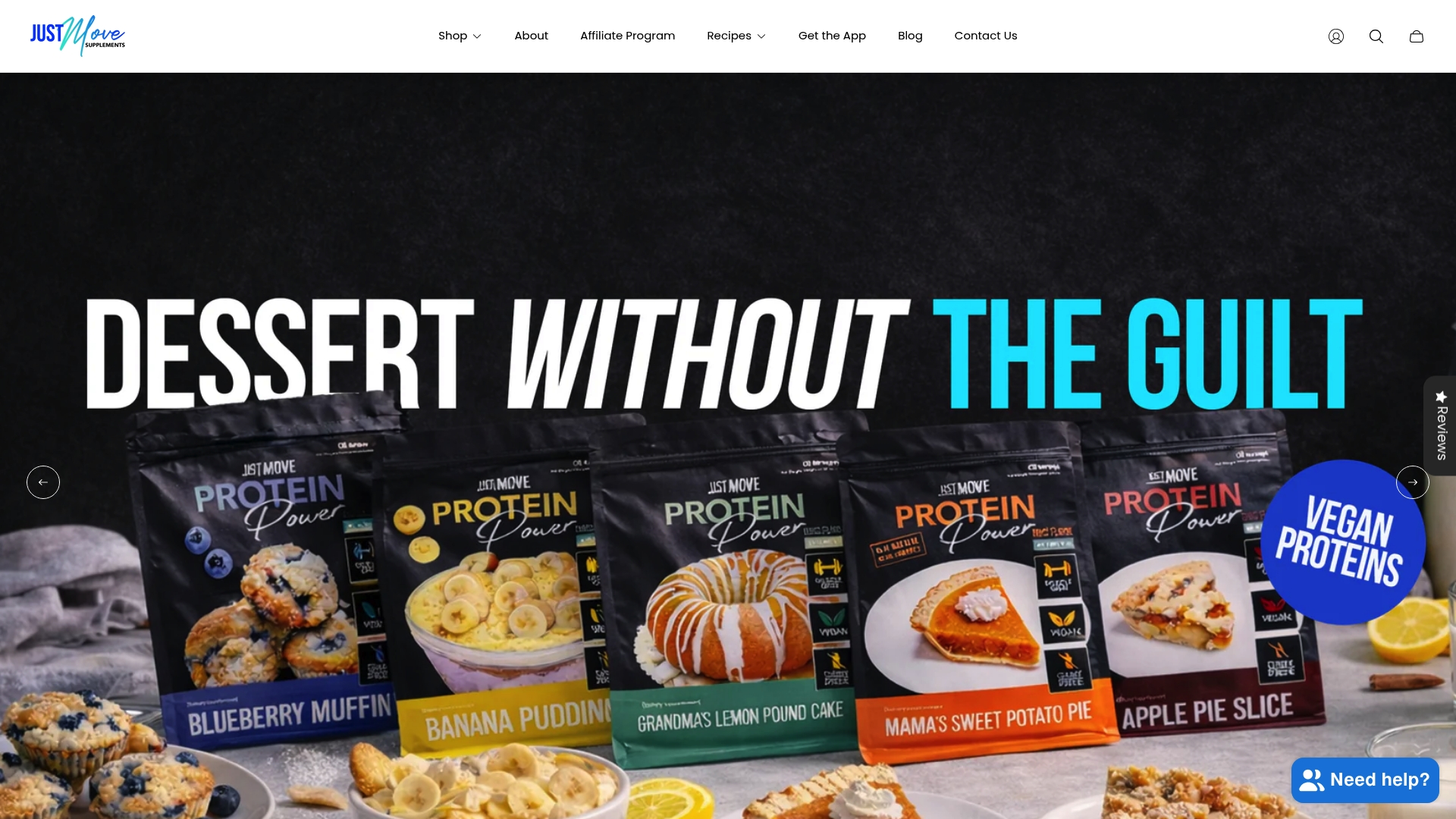
Beyond the sample pack, Justmovesupplements offers a full lineup of performance-focused supplements, including the Just Shred Green Apple Fat Burner for buyers who want to pair their protein routine with a fat-loss support product. The brand is black-owned, community-driven, and built around the idea that quality supplements should come with real flavor options and real customer confidence.
Ready to find your flavor? Browse the protein sample variety pack and place your first order today.
Useful sources and further reading
These are the most credible resources for buyers who want to verify claims or go deeper on plant-based nutrition.
-
Harvard Health: What is a plant-based diet? Covers the evidence base for plant-forward eating, practical meal ideas, and the role of supplements in a whole-food diet.
-
Harvard Health: Planning a plant-based diet Detailed guidance on food groups, protein sources, and how to build balanced plant-based meals.
-
Cleveland Clinic: What You Should Know About Plant-Based Diets Dietitian-reviewed guidance on reading labels, avoiding ultra-processed vegan foods, and understanding added sugar.
-
Wikipedia: Plant-based diet Broad overview of diet patterns, protein sources, and nutritional adequacy across life stages.
-
Nourishing Amy: Cashew Kale Quinoa Bowls with Crispy Tofu A practical whole-food recipe example showing how to combine grains, legumes, and tofu to hit protein targets alongside a powder.
This article is general information, not medical or nutritional advice. Confirm current product formulations, allergen status, and testing certifications directly with the manufacturer or a qualified nutrition professional before making purchasing decisions.
Recommended


