For most people, choose a 3–5" inseam for running or high-mobility training, 5" if you want a performance-forward look in the gym, and 7" as your versatile everyday training short. Go 9" or longer if you’re taller or simply prefer more coverage. Pick your length based on the activity first, then adjust for your height and how confident you feel in a shorter cut.
TL;DR:
- Shorter inseams between 3 and 5 inches are ideal for running and speed work, especially in humid or high-friction conditions, with liners recommended for chafing prevention.
- For strength training and HIIT, a 5 to 7-inch inseam balances mobility and coverage, with longer options like 9 inches better suited for casual or lifestyle wear.
- Height and thigh size significantly impact how inseam length interacts with movement, making the movement test more reliable than relying solely on labeled measurements.
- Fabric stretch, liner quality, and cut construction often matter more than inseam length for comfort, mobility, and skin protection during workouts.
- Pair your shorts with proper fueling and recovery products, emphasizing performance-driven choices over rigid size rules, and always test fit through movement before committing.
Table of Contents
What’s the Best Gym Shorts Length for Your Workout?
Different training styles put different demands on your shorts, and the inseam you pick should follow the movement, not the mirror.
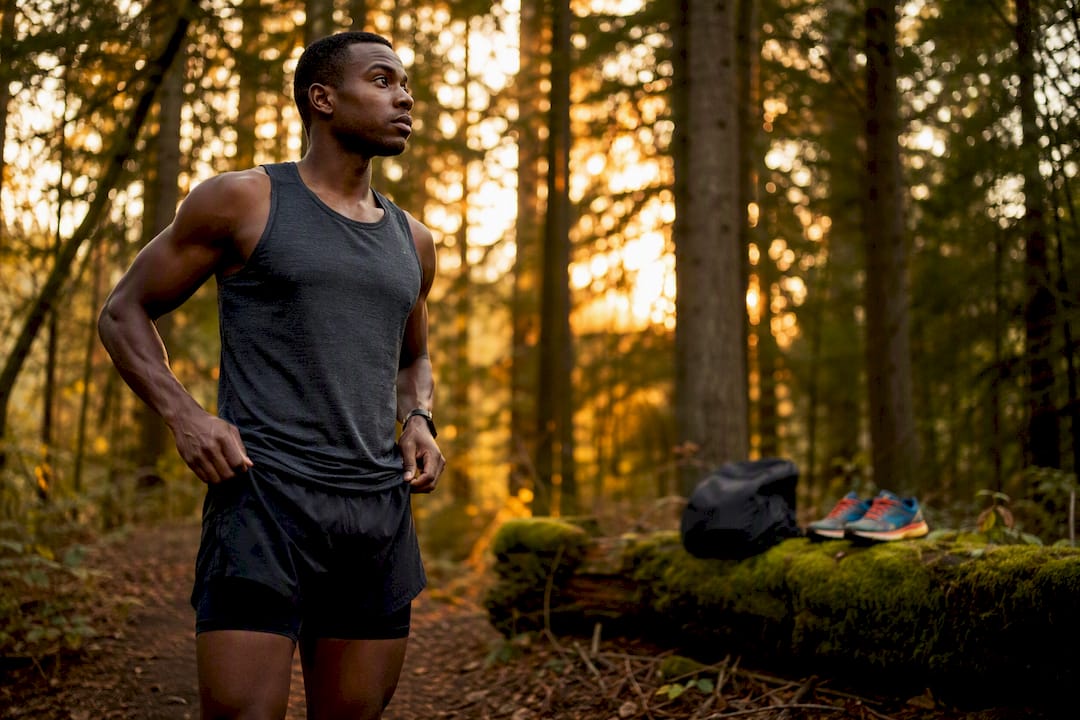
Running calls for the shortest inseams for a reason. A 3–5 inch cut fabric weight and drag with every stride, and the shorter hem means less material bunching at the hip crease when your knee drives up. Runner’s World notes that racers and long-distance runners commonly gravitate toward this range for breathability and unrestricted leg turnover, and some models are built with a trimmable hem so you can cut a longer pair down yourself. If you run in humid conditions or you’re prone to inner-thigh rubbing, pair a short liner or an anti-chafe balm with anything under 5 inches. Skin-on-skin contact multiplies fast over a 10K.
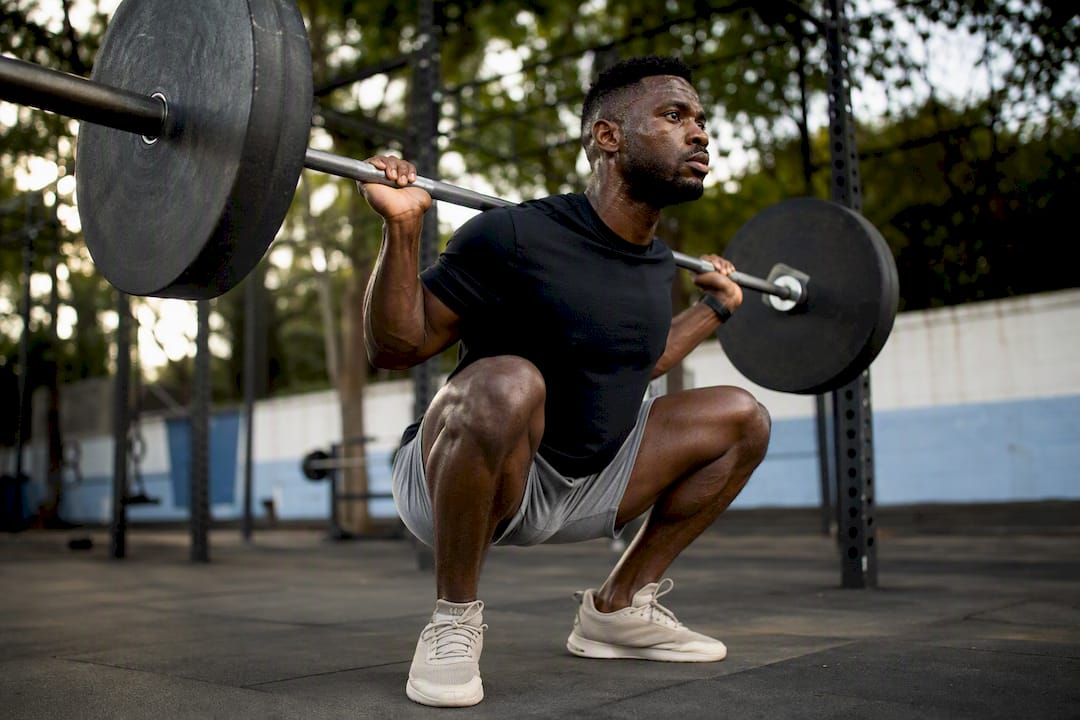
Lifting and HIIT are more forgiving. A 5 inch inseam still gives you a clean, athletic silhouette for squats, lunges, and box jumps without excess fabric catching under a barbell or getting in the way of a burpee. But if your session mixes strength work with rowing, sled pushes, or a treadmill finisher, a 7 inch length tends to hold up better across all of it. It covers more leg during floor work, resists riding up when you’re crawling or getting into a deep hip hinge, and still moves fine through a squat rack.
Cross-training and general gym-goers do best defaulting to 7 inches. It’s the inseam Men’s Health and TEGO’s training-shorts guide both point to as the most broadly useful length: enough coverage for mixed sessions, enough pocket space for a phone or key fob, and a look that reads fine whether you’re heading to the gym or running errands afterward.
Casual wear and taller frames push toward 9 inches or more. Once you’re outside a purely athletic context, a longer inseam balances proportions better on a taller build and gives a more relaxed, lifestyle-oriented fit. The trade-off is mobility. Extra fabric length means more material to manage in a deep lunge or a sprint stride, so this range works best for lower-intensity training or off-day wear.
Quick reference by scenario:
-
Marathon training or track workouts: 3–5 inches, liner recommended
-
Strength training and HIIT circuits: 5–7 inches depending on movement variety
-
General gym sessions, mixed cardio and weights: 7 inches
-
Casual wear, hiking, or relaxed styling: 9 inches or longer
How Should Height and Body Type Change Your Choice?
Two people can buy the same 7 inch short and end up with the hem landing in visibly different places, because inseam length interacts with your height and thigh size before it ever touches the tape measure on the label.
Height sets your starting range. According to Northyard’s height-based sizing guide, the general breakpoints work like this:
-
Under about 5’8": favor 5–7 inches. Anything longer starts to overwhelm a shorter leg and can visually shorten your stride line.
-
5’8" to 6’1": you’re in the flexible zone, comfortably wearing anywhere from 5 to 9 inches depending on the look you want, not just the workout.
-
6’2" and up: lean toward 7–9 inches. Shorter cuts on a longer leg tend to look and feel proportionally small, and you’ll often get less actual coverage than the label implies.
Thigh size changes how any given inseam behaves in motion. A larger thigh circumference means more fabric contact and a shorter effective inseam once you’re moving, since the hem rides up faster during a squat or a stride. If ride-up is a recurring issue, look for a wider leg opening and a fabric blend with real four-way stretch rather than simply buying a longer short to compensate. Stretch and cut recovery matter more here than an extra inch of hem.
Length also plays tricks on visual proportion. A shorter inseam paired with a fitted top tends to read as more athletic and elongates the leg line. A longer inseam paired with a looser top shifts the look toward relaxed streetwear. Neither is right or wrong. It’s about matching the short to the rest of your kit and the setting you’re headed into.
Pro Tip: If you genuinely can’t decide, default to 7 inches. Swap in a 5 inch pair only on days you’re specifically training for speed or doing high-rep floor work where fabric bunching becomes a real annoyance.
Do Fabric and Cut Matter More Than Inseam Length?
Often, yes. Testing from OutdoorGearLab found that performance and comfort differences between shorts usually come down to cut and material quality more than a one or two inch swing in inseam. A high-stretch 7 inch short can move more freely than a stiff, low-stretch 5 inch pair, which upends the assumption that shorter automatically means more mobile.
A few construction details deserve more attention than the number on the tag:
-
Liners reduce thigh chafe more reliably than simply buying a longer inseam, particularly during runs or high-rep leg days. A short with no liner and a wide leg opening can chafe worse than a well-lined pair that’s an inch shorter.
-
Fabric stretch and recovery determine whether the short returns to shape after a deep squat or a full sprint stride, or stays stretched out and baggy by the second set.
-
Side slits on longer inseams let the fabric flex at the hip without restricting your range, which is why a well-cut 9 inch short can still move decently in a lunge.
-
Pocket type affects bounce and fit under load. Zippered or snug-fit pockets keep a phone from flapping against your leg; loose drop-in pockets don’t.
-
Waistband construction, whether it’s a drawstring, elastic, or a hybrid, determines whether the short stays put during explosive movement or needs constant adjusting.
None of this means inseam is irrelevant. It means the label number is only half the story, and a well-built 7 inch short will often outperform a cheaply made 5 inch one on both comfort and chafe resistance. A liner and moderate leg opening can do more for skin comfort than shaving an inch off the length, based on OutdoorGearLab’s testing of running shorts across brands.
How Do You Measure and Test Your Shorts for Fit?
Getting the number right on paper is only useful if the short actually performs once you’re moving, so pair the measurement with a quick movement test.
-
Lay the shorts flat and measure from the top of the inner crotch seam straight down to the bottom hem. That’s your true inseam, and it’s the number to compare against a brand’s size chart rather than trusting the marketing name alone.
-
Run a four-move check: a bodyweight squat, a forward lunge, a short sprint stride, and a seated position. Good fit means the hem stays roughly in place through all four. Poor fit shows up as significant ride-up, bunching at the hip crease, or fabric that restricts your knee drive.
-
If shorts ride up or bunch, don’t assume you need a different length first. Try a compression liner underneath or a different cut with a wider leg opening before sizing up. GQ’s testing on workout shorts backs this same movement-based check as the most reliable way to catch fit problems before they show up mid workout.
-
Consider a trimmable pair if you’re torn between two lengths. A short built with a clean, finishable hem lets you buy the longer size and cut down later, which solves the “what if I picked wrong” hesitation without a second purchase.
Pro Tip: Do the movement test in the shoes you actually train in. A short that sits fine standing still can ride up noticeably once your stride opens up on a treadmill.
What Should You Pair With Your Workout Gear?
Picking the right shorts solves half the equation. What you put into your body around that same training session tends to matter just as much for how the workout actually goes.
Just, the team behind Justmovesupplements, built this brand around the same idea that drives good gear choices: performance comes from getting the fundamentals right, not from chasing gimmicks. That philosophy shows up in the catalog as much as it does in this kind of buying guide.
A few catalog items that pair naturally with the training scenarios covered above:
-
Just MOVE Protein Sample Variety Pack, 7 Flavors lets you test multiple flavors before committing, useful if you’re also experimenting with new training routines and don’t want to overcommit to one product.
-
Fruit Punch Energy Rush Pre Workout fits the higher-intensity sessions where a 5 inch short and max mobility matter most, like sprint work or HIIT circuits.
-
Plain And Simple Unflavored Protein works as a flexible recovery option for anyone who wants to mix protein into shakes, smoothies, or recipes without a dominant flavor competing with other ingredients.
-
Just Shred Green Apple Fat Burner and the AM/PM Shred Bundle are relevant for readers building a broader routine around fat loss goals alongside their training schedule.
-
Banana Pudding Protein and the 15 Serving Protein Variety Bundle give lower-commitment ways to try flavored recovery options without buying a full-size tub outright.
-
Sleep N Shred Night-time Fat Burner supports the recovery side of a training week, since sleep quality affects performance as much as anything you wear to the gym.
None of these replace picking the right shorts. They’re the complementary half of the same decision: dress right for the movement, then fuel and recover right around it.
Why Most Shorts Advice Skips the Part That Actually Matters
Most gym shorts advice stops at “5 inch for running, 7 inch for everything else,” and that rule isn’t wrong, but it’s incomplete. The real variable is how that inseam number lands on your specific body, and height changes that answer more than most buying guides admit. A 5’6" lifter and a 6’3" lifter wearing the identical labeled inseam are, in practice, wearing two different garments.
The overlooked piece is fabric behavior. Chasing a shorter number for mobility while ignoring stretch and liner quality is backwards. A well-cut 7 inch short with real four-way stretch will often out-move a stiff 5 inch pair, and that single fact undercuts a lot of the length-obsessed advice floating around fitness content.
Prioritize the movement test over the label. Try the squat, the lunge, the stride. If a pair passes that check at 7 inches, you don’t need to chase 5 just because a running guide says so. Match the short to your actual training, not to a number that sounds more athletic on a product page.
— Just
Ready to Round Out Your Training Kit?
Justmovesupplements built its lineup around the same practical logic covered here: performance details matter more than headline numbers, whether that’s an inseam or a scoop of protein. Where a lot of supplement brands force you into a single flavor or a guessing game on fat burners, Justmovesupplements gives you a real way to test before you commit and a catalog built for the exact training scenarios above.

If you’re locking in your gym wardrobe for the new training block, pair it with something that fits the same intentional approach. Start with the Just MOVE Protein Sample Variety Pack to find your flavor before buying a full size, or check the protein samples collection if you’re building a full recovery routine around your new training schedule. Either way, you’ll walk into your next session dressed right and fueled right.
Sources
Recommended


