The fastest way to wash gym clothes odor out for good: pre-soak the stinky items, wash inside out in cold water with a carefully dosed enzyme or sport detergent, skip the fabric softener, and air dry. That sequence handles the vast majority of workout-clothes funk in one laundry cycle, because it targets the actual cause of the smell (bacteria feeding on trapped oils) instead of just masking it with fragrance.
Here’s what to do in the next 10 minutes:
- Pull damp gear out of your gym bag or hamper right now and let it air out.
- Start a 30 to 60 minute vinegar soak on anything that already smells musty.
- Check the care label before you soak or wash anything with bonded padding or reflective print.
Sweat itself doesn’t smell. The bacteria multiplying on the oils and dead skin cells trapped in synthetic fibers do, and that’s why this routine, not a stronger detergent alone, actually solves the problem.
Key Takeaways
Removing gym clothes odor for good comes down to speed, cold water, correct detergent dosing, and skipping fabric softener entirely.
| Point |
Details |
| Act fast on damp gear |
Air out or wash sweaty clothes immediately instead of letting them sit in a bag or hamper. |
| Pre-soak stubborn smells |
Use a 30 to 60 minute vinegar or enzyme soak before washing anything that already smells musty. |
| Wash cold, inside out |
Cold water and inside-out loading protect fibers and target sweat residue directly. |
| Skip fabric softener |
Softener coats fibers and traps the bacteria that cause odor to return. |
| Maintain your washer monthly |
Clean the seal, drawer, and drum regularly to stop mildew from transferring onto clean laundry. |
| Support recovery with the right fuel |
Justmovesupplements’ protein and recovery products help you stay consistent with training and gear care alike. |
Table of Contents
Quick Checklist: Steps To Remove Gym Clothes Smell Fast
Follow this order and you’ll fix most odor problems in a single wash.
-
Pre-soak first. Choose one: a cup of white vinegar per gallon of cool water for 30 to 60 minutes, a baking soda solution for milder cases, or an enzyme-based soak for anything that’s been sitting for days.
-
Turn everything inside out. This exposes the sweat-soaked inner layer directly to detergent instead of hiding it against the fabric of other clothes.
-
Sort by fabric and don’t overload the drum. Technical fabrics need room to agitate; a stuffed load just redistributes odor between garments.
-
Measure your detergent. Add an enzyme or sport-specific formula to the main wash, not the pre-soak.
-
Wash cold, on a regular or active-wear cycle. Skip the “sanitize” hot setting unless the label allows it.
-
Air dry when possible. Low-heat tumble is fine if the label permits it, but skip high heat entirely.
Pro Tip: Zip every zipper, remove sports bra pads, and drop anything delicate or Velcro-heavy into a mesh laundry bag before it goes in the machine. It protects both your gear and everything else in the load.
Why Do Workout Clothes Hold Onto Odor So Stubbornly?
Moisture-wicking fabric is designed to pull sweat away from your skin and spread it across a larger surface area to dry faster. That same engineering concentrates body oils, salts, and skin cells on the fiber’s inner surface, exactly where bacteria thrive best.
It isn’t the sweat that smells. It’s the bacteria breaking down the oils and proteins left behind, and once that bacterial residue is baked into the fibers, it becomes far harder to remove.
That’s where two popular “fixes” backfire:
- Hot water can cook sweat proteins into synthetic fibers, making the smell more permanent rather than washing it away.
- Fabric softener coats fibers with a residue that blocks the wicking properties you paid for, and that coating gives bacteria something new to cling to.
- Extra detergent doesn’t mean extra clean. Overdosing leaves behind residue that feeds the exact bacteria you’re trying to eliminate.
Fabric-care experts consistently point to one variable that matters more than any single product: how long sweat sits in the fabric before it’s washed or air-dried. Speed beats strength.
What Daily Habits Prevent Gym Clothes From Smelling?
The best odor control happens before laundry day, not during it. A single habit change, drying gear immediately instead of stashing it, prevents most of the deep-clean emergencies covered later in this guide.
- Hang damp clothes over a chair or drying rack the moment you’re home. Never leave them balled up in a gym bag or hamper overnight.
- Rinse sports bras and leggings under cool water if a full wash isn’t possible right away.
- Wash sports bras and leggings after every heavy sweat session. Looser outer layers like tanks or tees can sometimes go two wears if they’re dry and odor-free.
- Rotate between at least two or three sets of workout gear so nothing gets rewashed while still slightly damp from the last cycle.
- Store clean gear folded loosely in a drawer with airflow, not compressed in a sealed gym bag pocket.
Pro Tip: Keep a small mesh bag by your door for worn gear. Tossing it straight in stops the “forgot it in the bag for three days” scenario that causes most permanent odor.
How Do You Deep Clean Gym Clothes That Still Smell?
When your regular wash stops working, it’s time to escalate. Use these methods in order, starting with the gentlest option before moving to something stronger.
-
Vinegar soak. Mix 1 cup of white vinegar per gallon of cool water. Submerge the garment fully for 30 to 60 minutes, agitating occasionally, then rinse and wash as normal. Laundry professionals also recommend adding white vinegar to the rinse cycle to help break down leftover detergent and bacteria.
-
Baking soda soak. Dissolve about half a cup of baking soda in a basin of warm water and soak for an hour. Don’t combine vinegar and baking soda in the same small container. The fizzing reaction wastes both ingredients before they can work on the fabric.
-
Enzyme or oxygen-boost treatment. For garments that have gone through multiple wash cycles and still smell, an oxygen-based booster or enzyme soak breaks down the protein and oil buildup that standard detergent can’t touch. Follow the manufacturer’s recommended soak duration, usually listed directly on the packaging.
-
Non-chlorine laundry sanitizer. Reserve this for genuinely stubborn cases. Never use chlorine bleach on synthetic activewear, since it degrades elastane and can weaken the fabric’s structure permanently.
Repeat a chosen method once or twice before concluding the garment has reached the end of its usable life. If three separate deep-clean attempts across different techniques all fail, the odor is likely embedded in the fiber itself.
What Detergent Actually Removes Gym Clothes Smell?
Not every detergent is built for this job. Standard powder or liquid formulas clean visible dirt well, but they weren’t designed to break down the oily, protein-rich residue that synthetic activewear traps.
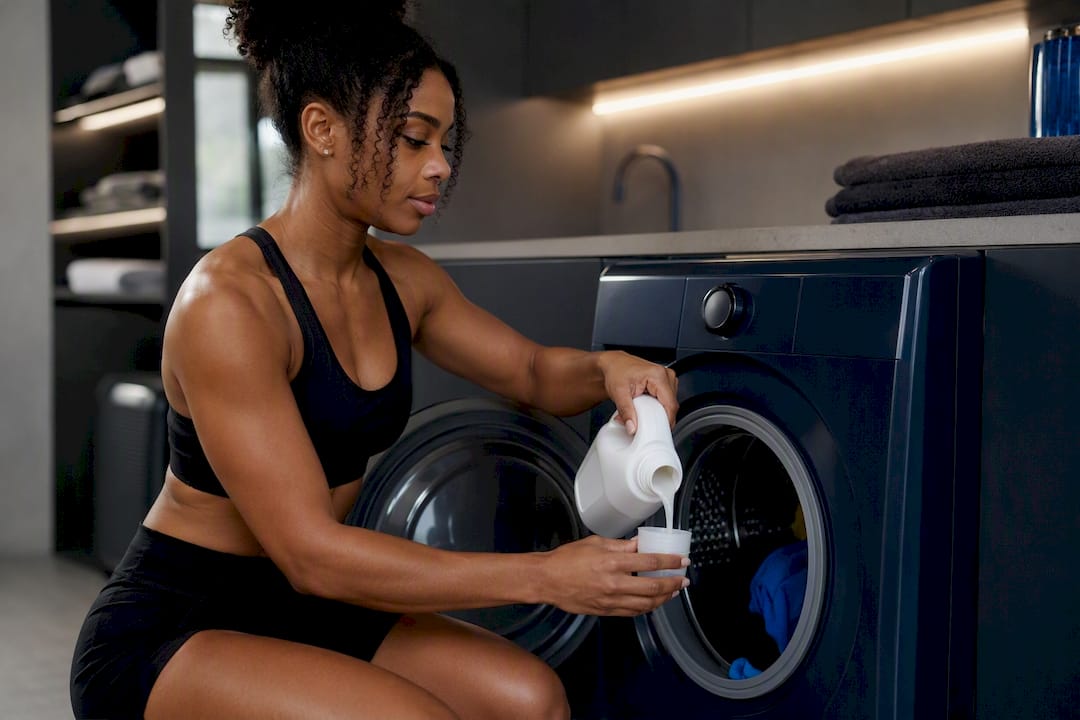
Enzyme-based and sport-specific detergents contain proteases and lipases that digest sweat proteins and body oils at the molecular level. Certified trainers and laundry specialists point to these formulas as the more reliable option for athletes who wash gear frequently and need consistent results without fabric damage.
A few practical notes on dosing and format:
- Measure detergent to the line on the cap. More product doesn’t mean cleaner clothes. It means more residue left behind for bacteria to feed on.
- Liquid detergent tends to dissolve more completely in cold water than powder, which matters since cold washes are the standard here.
- Pods work fine in HE machines but shouldn’t be combined with an additional vinegar pre-soak solution poured into the same load. Add vinegar to the rinse dispenser or a separate soak instead.
- Save oxygen boosters and laundry sanitizers for the deep-clean scenarios above. They’re too aggressive for daily rotation and can shorten fabric lifespan if overused.
Is Your Washing Machine Making the Smell Worse?
A perfectly executed wash routine can still fail if the machine itself is the problem. Mold and mildew growing in the drum, seal, or detergent drawer transfer their own musty smell onto otherwise clean clothes.
- Run your washer’s cleaning cycle monthly, or follow the manufacturer’s recommended interval.
- Wipe down the rubber door seal and detergent drawer on front-loading machines regularly, since moisture collects there fastest.
- Never leave a wet load sitting in the drum. Even a few hours of stagnant dampness can seed bacterial growth.
- Leave the door slightly ajar between washes so the drum can dry out completely.
Cold-water washing, now standard for activewear, means less heat is available to evaporate residual moisture inside the machine, which makes seal maintenance even more important than it was for older hot-water routines.
Best Drying and Storage Practices To Keep Gear Fresh
How you dry and store gym clothes determines whether the odor stays gone. Air drying is the safer default for most technical fabrics, and a low-heat tumble setting is acceptable only when the care label explicitly allows it.
- Hang items or lay them flat in a well-ventilated space rather than piling them in a laundry basket while still damp.
- Store only fully dry gear, and choose breathable bins or drawers over sealed plastic containers, which trap any residual moisture against the fabric.
- If a smell returns after drying, don’t reach for more detergent next time. Re-soak the item in vinegar or run a rinse-cycle vinegar treatment before rewashing.
When Should You Stop Trying and Replace the Garment?
Some odor problems aren’t a laundry problem anymore. They’re a fabric problem, and no soak or sanitizer will fix that.
Watch for these signs that a garment has reached the end of its usable life:
- Elastic waistbands or straps that no longer snap back after stretching.
- Permanent yellowing or fabric discoloration, particularly under the arms.
- A smell that returns immediately after drying, even following two or three separate deep-clean attempts using different methods.
As a general rule, if a vinegar soak, an enzyme treatment, and a non-chlorine sanitizer have all failed on the same garment, further attempts are unlikely to succeed. At that point, professional textile cleaning is an option, though the cost often approaches or exceeds the price of a replacement piece for everyday gym wear. For most athletes, retiring the garment and rotating in a fresh piece is the more practical call.
How Recovery Habits Support Fresher Gym Gear
Keeping your gear odor-free isn’t only a laundry problem. It connects to the broader recovery routine that keeps your body, and your equipment, performing well between sessions.
Justmovesupplements built its product range around the same principle that drives good laundry habits: consistency beats intensity. A structured recovery nutrition plan supports the kind of steady training rhythm that also keeps gear rotation manageable, since athletes who recover well tend to train more predictably and wash gear on a more consistent schedule.
- Justmovesupplements offers a full catalog spanning protein powders, fat burners, and energy pre-workouts, all built with flavor variety in mind.
- The protein sample pack lets new customers try multiple flavors before committing, a detail reflected in the brand’s strong customer review record.
- Pairing your laundry routine with a solid post-workout nutrition habit keeps both your body and your gear on a cycle that actually holds up.
What Just Move Supplements Thinks About Gym Laundry Habits
The conventional advice on this topic gets one thing badly wrong: it treats stronger products as the solution. Hotter water, more detergent, heavier fragrance boosters. Every one of those instincts actually works against you, because the real enemy is bacterial residue built into the fiber, not a lack of firepower in the wash.
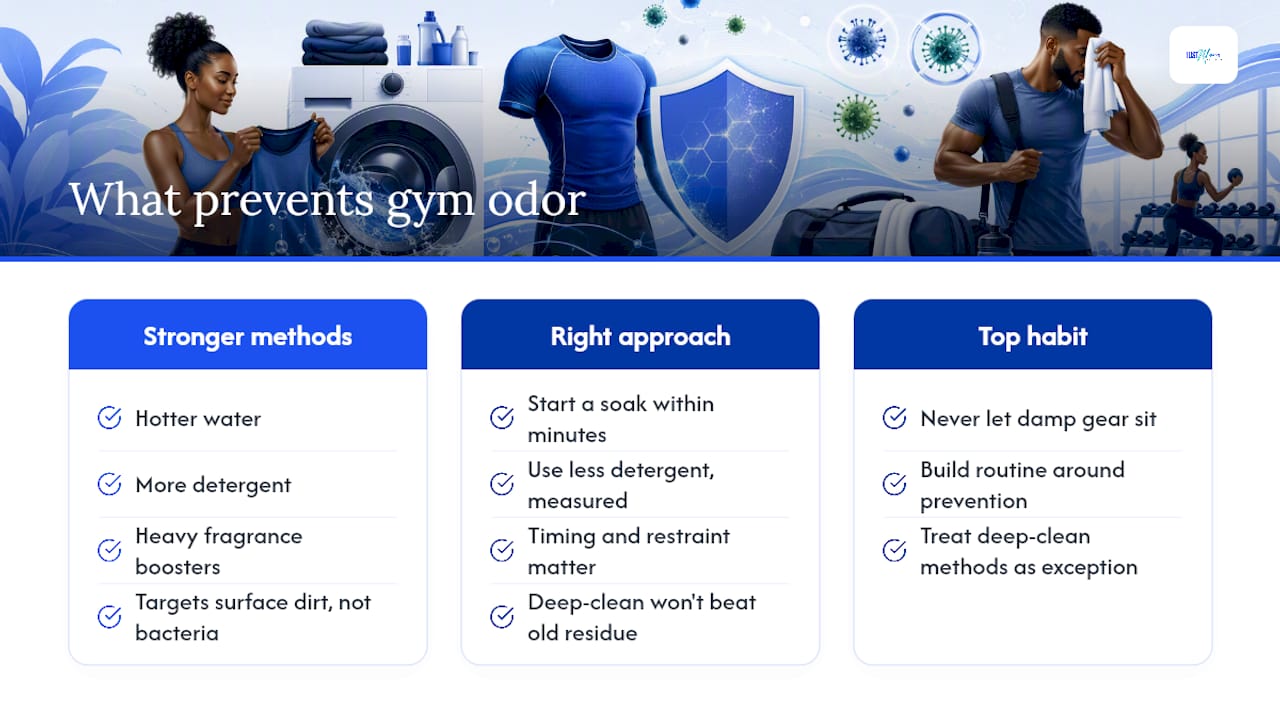
What actually matters is timing and restraint. Getting a soak started within minutes of a workout beats any deep-clean treatment you’ll ever run on week-old gear. And using less product, measured correctly, consistently outperforms dumping in extra detergent because a shirt still smells after one wash.
If we had to pick the single habit that matters most, it wouldn’t be the vinegar soak or the enzyme detergent. It would be never letting damp gear sit. Everything else in this guide is a backup plan for when that first habit slips, which it will, for everyone, occasionally. Build your routine around prevention, and treat the deep-clean methods as the exception rather than the rule.
— Just
Try Justmovesupplements To Support Your Training Routine
Clean gear is only half the equation. What you put into your body between sessions determines how well you recover, and how consistent your training (and your laundry schedule) stays over time. Justmovesupplements is built for athletes who want that consistency without sacrificing flavor or quality.
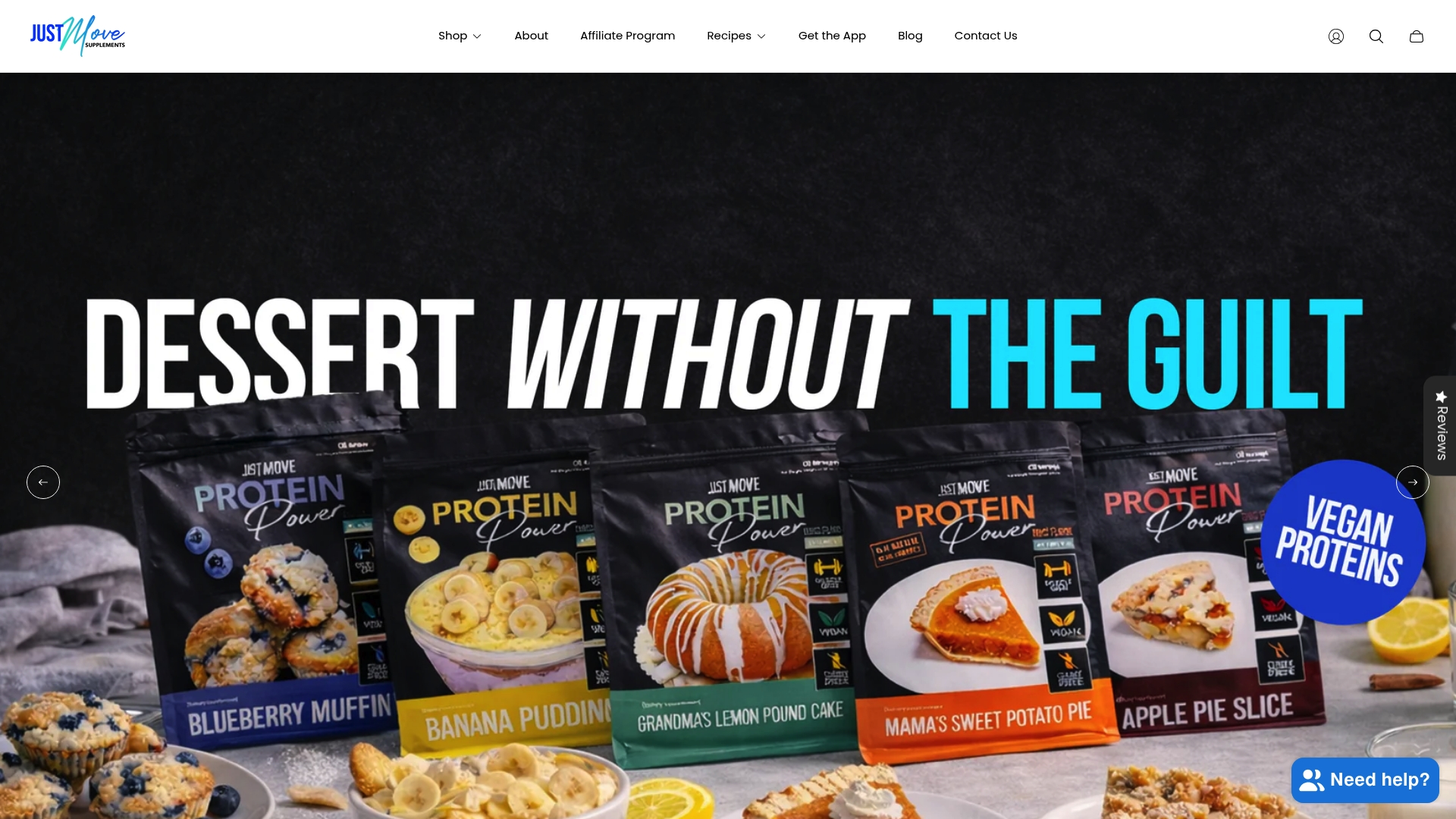
Whether you need a clean protein option like Plain and Simple Unflavored Protein for stacking into recipes, a flavor-forward pick like Banana Pudding Protein, or a pre-workout boost like Fruit Punch Energy Rush, the catalog covers the full training cycle from fueling up to shredding down. The Essential Vitamin Bundle rounds out daily nutrition, while the AM/PM Shred Bundle and Sleep N Shred support fat-loss goals around the clock. Not sure which flavor fits your routine? Start with the protein sample pack and find your favorite before committing to a full tub.
Sources
These sources back the routines above with manufacturer and fabric-care expertise: Tide’s workout-clothes washing guide for inside-out washing basics, Nike’s care guide for vinegar-soak specifics, Real Simple’s sweat-and-odor breakdown for the hot-water myth, OxiClean’s odor-removal steps for enzyme treatments, and Whirlpool’s washer-maintenance guidance. For broader athletic gear upkeep, see YDA UK’s footwear care guide.
Recommended


