Taking a pre-workout supplement with food is a legitimate choice, especially if you’re sensitive to stimulants or tend to get an upset stomach on an empty stomach. Pairing your scoop with a meal shifts caffeine’s peak effect slightly later but calms the gut, and staying inside the evidence-backed dosing window of 2 to 6 milligrams per kilogram of body weight keeps the trade worthwhile. Test your own timing window with a structured 20/40/60 minute protocol to find what actually works for your body.
TL;DR:
A small snack usually needs about 30 minutes before training, a light meal about 60 minutes, and a large or fatty meal up to 90 minutes.
Keep total daily caffeine from your supplement, coffee, tea, and other sources under 400 milligrams, and check the serving label rather than estimating.
Carbohydrate rich snacks such as bananas digest faster, while high fat or high fiber meals slow stomach emptying and may push onset toward 90 minutes.
Track stomach comfort, perceived effort, and sleep across workouts, and stop using the product if excess stimulation symptoms persist beyond an hour.
Justmovesupplements
Find Your Pre-Workout Fit
Explore Just Move Supplements’ range of performance products and protein options to find choices that suit your training routine.
How food changes absorption and onset of pre-workout ingredients
Your stomach doesn’t release its contents all at once. A meal sits there, slowly emptying into the small intestine, and anything you’ve swallowed with it, including caffeine, beta-alanine, or citrulline, has to wait its turn. That’s the entire mechanism behind the “food delays pre-workout” effect you’ve probably heard gym friends mention.
Caffeine on its own typically reaches peak plasma levels 0.5 to 2 hours after ingestion. Food in your stomach slows that absorption speed, pushing the peak later in that window rather than earlier, but it does not cancel the effect out. You still get the same ergogenic boost, just on a longer timeline.
Delivery form matters too. A crossover study comparing caffeinated gum to a caffeinated beverage found no meaningful difference in how quickly caffeine peaked between the two forms, which tells us that most of what researchers know about beverage-based caffeine absorption likely applies to capsules and powders mixed into drinks as well.
What this means for your training session:
Expect a modest delay, not a lost workout, when you take pre-workout alongside a substantial meal.
Smaller meals or snacks shorten that delay compared to a large, fat-heavy plate.
Plan your pre-workout timing around your meal size rather than a fixed clock number.
Caffeine dosing and safety when you take pre workout with food
Dosing is where food timing actually matters most, because the numbers don’t change just because your stomach is full. Research on athletic performance points to an effective range of 2 to 6 milligrams of caffeine per kilogram of body weight for a measurable performance benefit.
2 to 6 mg/kg is the ergogenic sweet spot. For an average adult, that corresponds to a moderate to high caffeine dose per serving, depending on individual sensitivity and training history.
The FDA identifies about 400 milligrams per day as a general ceiling not associated with negative effects for most healthy adults. That figure covers everything you consume in a day, not just your pre-workout scoop, so your morning coffee and afternoon energy drink both count against it.
Before you add a scoop to a meal, run this quick check:
Read the supplement facts label and note the exact caffeine amount per serving, not per container.
Add up caffeine from coffee, tea, soda, and any other supplements you’ve already had that day.
Watch for nervousness, a racing heartbeat, or trouble sleeping later, all signs you’ve gone past your personal tolerance.
Stick to single-serving scoops or sachets rather than bulk powders, since the FDA warns that pure, highly concentrated powdered caffeine carries a real risk of dangerous overdose from small measurement errors.
If you notice symptoms of excess stimulation that don’t settle within an hour, stop taking the product and talk to a clinician before your next session.
Practical timing recommendations and testable routines
Once you know your dose, the next question is when to take it relative to your food. We suggest three starting points, each with a different tradeoff between speed and comfort:
Small snack plus 30 minutes: a banana or a handful of crackers, taken half an hour before training, gives a shorter delay with mild GI protection.
Light meal plus 60 minutes: a modest plate of carbohydrates and protein an hour out balances absorption speed with a settled stomach, and lines up with trial data suggesting roughly 60 minutes pre-exercise often delivers reliable benefits.
Larger meal plus 90 minutes: a full meal with fat and fiber needs the longest runway, but it’s the most comfortable option if GI upset has been a problem for you.
To find which of these fits you best, run a simple three-session test: take your usual dose at 20, 40, and 60 minutes before three separate workouts, using the same meal each time. Our guide to testing pre-workout timing walks through exactly how to structure those sessions. Track your perceived effort, any stomach discomfort, and how well you slept that night.
Pro Tip:If you only have a short warm-up before a session starts, skip the heavy meal and pair your dose with a small, fast-digesting snack instead; a lighter food load gets caffeine moving sooner.
Managing GI issues and choosing a pre workout when you take it with food
Stomach discomfort is one of the most common complaints about pre-workout supplements, and food is often the simplest fix. A buffer of carbohydrates in your stomach reduces the nausea and stomach upset that stimulant-sensitive people frequently report, and the same buffer helps if your blend includes beta-alanine or a heavy creatine dose for endurance and hybrid athletes, both of which can irritate an empty stomach on their own.
When you’re shopping for a product to pair with meals, a short checklist keeps you safer and more consistent:
Confirm the exact caffeine amount listed per serving, not an estimate or a range.
Look for a measured scoop or single-serving packet rather than loose bulk powder.
Check that ingredients are listed in full, with amounts, not hidden behind a proprietary blend name.
Favor products that disclose third-party testing when it’s available.
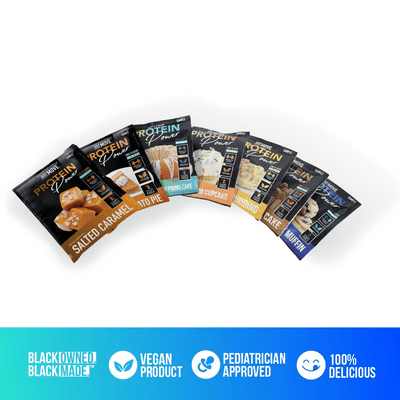
Our Sour Watermelon Energy Rush and Fruit Punch Energy Rush pre-workouts are both labeled with a clear caffeine amount per scoop, which makes the math above straightforward whether you’re taking them with a snack or a full meal. If you’re not sure which flavor or format suits your gut, our protein sample pack format lets you try smaller quantities before committing to a full container.
How carbs, fats, and protein in your pre-workout meal change things
Not all food slows absorption the same way, and the macronutrient mix in your meal matters as much as the portion size. Carbohydrates digest fastest, so a carb-heavy snack like toast or a banana creates the shortest delay before your pre-workout kicks in.
Fat is the slowest-digesting macronutrient, and a high-fat meal, think a creamy sauce or a handful of nuts, extends gastric emptying time the most. If you’re eating something like that before training, give yourself the full 90-minute window rather than expecting a 30-minute turnaround.
Protein sits in the middle. A moderate protein portion, such as a serving of Greek yogurt or a scoop of whey, adds some delay but far less than a fat-heavy plate, while also supporting muscle repair for the session ahead. Fiber behaves similarly to fat in that it slows things down, so a salad-heavy meal right before your dose isn’t the fastest combination.
The practical takeaway is to match your meal’s macronutrient profile to how much time you actually have before training. A carb-forward snack works for a tight schedule, while a balanced meal with some fat and protein is better saved for sessions where timing is flexible.
What to eat with your pre-workout for the best results
The best food pairings for a pre-workout dose are simple, familiar, and easy on digestion. A banana with a small amount of peanut butter, a slice of toast with honey, or a handful of pretzels all digest quickly and buffer the stomach without adding a long delay.
If you have more time before training, a light meal built around rice, chicken, and a small amount of vegetables gives you steady energy and a gentler stimulant release. Oatmeal with fruit works well for morning sessions, since it combines fast and slow carbohydrates without much fat to slow things down further.
What to avoid pairing with your dose is anything heavy, greasy, or unfamiliar right before training, since fried foods and large fatty meals extend the delay the most and raise the odds of GI discomfort layered on top of any stimulant sensitivity. Save the richer meals for after your workout, when digestion speed matters less and recovery matters more.
How meal size and composition shape your results
Portion size interacts with macronutrient mix in a way that’s worth paying attention to. A small snack, regardless of what it contains, empties from your stomach faster than a large plate of the exact same foods, simply because there’s less volume to process.
That means two people eating the same balanced meal can experience different timing if one eats a modest portion and the other eats a large one. A big meal, even a reasonably healthy one, can push your pre-workout’s onset closer to the 90-minute mark instead of 60.
Composition still layers on top of size. A large, high-fat meal is the slowest combination you can choose, while a large but mostly carbohydrate-based meal moves through your system faster despite the volume. If you’re training soon after eating, keeping the plate smaller and leaner gives your pre-workout the clearest path to work as intended.
Timing your water intake around food and your pre-workout dose
Hydration deserves its own plan alongside food and supplement timing, since dehydration on its own can blunt performance regardless of how well you’ve dosed your caffeine. A reasonable approach is to drink a moderate amount of water with your pre-workout meal or snack, rather than large volumes right before training that can leave you feeling sloshy mid-session.
Spacing your water intake across the hour or two before training, rather than chugging it all at once, tends to sit better alongside a meal and a supplement dose. If your pre-workout causes any mild stomach sensitivity, sipping water steadily rather than drinking it in one go can help settle things.
During training itself, continue sipping rather than waiting until you’re thirsty, since thirst is a lagging signal. Pair your hydration habits with whichever timing option, the 30, 60, or 90 minute window, you’ve settled on for food and supplement intake, so the whole routine works together instead of as separate decisions.
How we think about testing timing and tolerability
We’ve built our timing guidance around the idea that no single window works for everyone, which is why we publish step-by-step testing protocols rather than a single blanket recommendation. Trying smaller quantities first, before settling on a flavor or a full-size container, can make it easier to find a combination that sits well with your stomach and your training schedule.
A straightforward suggestion is to log what you eat, when you take your dose, and how you feel during and after training, then adjust your caffeine total across the day based on what you see. Small, consistent notes beat guesswork every time.
— Just
Try measured pre-workout options built for testing with food
Finding your ideal pre-workout-with-food routine is easier when the product itself takes the guesswork out of dosing. Our Sour Watermelon Energy Rush and Fruit Punch Energy Rush pre-workouts both list a clear caffeine amount per scoop, so you can start light and adjust with confidence rather than estimating.
If you’re new to stimulants or you’re pairing your dose with a meal for the first time, we recommend starting at half a serving and building up from there once you know how your body responds:
Start at a half serving if you’re sensitive to caffeine or new to pre-workouts, then increase gradually.
Keep your total daily caffeine, including coffee and other sources, under 400 milligrams.
Is it better to take pre-workout with or without food?
Both work, but the right choice depends on your stomach and your schedule. Taking pre-workout with food often reduces nausea and GI discomfort for stimulant-sensitive people, while taking it on an empty stomach can speed up the onset slightly.
How long should I wait to train after taking pre-workout with a meal?
A light snack usually needs about 30 minutes, a moderate meal closer to 60 minutes, and a larger or fattier meal up to 90 minutes before training. These windows line up with caffeine’s typical peak absorption time of 0.5 to 2 hours, which food can extend toward the longer end.
Does eating before pre-workout reduce its effectiveness?
No, food slows absorption speed but does not reduce the overall ergogenic benefit of a properly dosed serving. The delay is the main tradeoff, not a loss of effect, based on how caffeine pharmacokinetics respond to food intake.
How much caffeine is safe to take in a pre-workout serving?
Research supports an effective range of 2 to 6 milligrams per kilogram of body weight for performance benefits, and the FDA’s general daily ceiling sits around 400 milligrams from all sources combined. Always check your pre-workout’s label against any other caffeine you’ve already had that day.
What foods work best alongside a pre-workout supplement?
Quick-digesting, moderate-portion foods like a banana, toast, or a small bowl of oatmeal pair well with a pre-workout dose without causing a long delay or stomach discomfort. Save heavier, fat-rich meals for times when training is further off, since fat slows gastric emptying the most.
Compare joggers and shorts by workout intensity, weather, and mobility. Learn which fabrics and fits support comfort, training, and recovery readiness.
Learn when to take a fat burner based on its ingredients, avoid caffeine near bedtime, and pair daytime stimulants with a night formula without caffeine.