For most people who tolerate dairy, whey concentrate with 20 to 30 grams of protein per serving is the sensible starting point, and yes, protein powder is worth it when it fills a real gap in your day rather than replacing whole food. Choose whey isolate if lactose bothers you, or a multi-source plant blend if you’re vegan. Everything else in this protein powder buying guide is about fine-tuning that choice to your body and your goals.
TL;DR:
- Protein powder is most useful when it fills actual dietary gaps, especially after workouts, long workdays, or for older adults needing easier-to-digest options.
- Choosing the right type depends on your goals: whey concentrate or isolate for muscle gain, casein for overnight, and multi-source plant blends for vegans, with protein per serving ideally between 20 and 30 grams.
- Carefully reading labels for protein content, ingredient clarity, minimal added sugar, and third-party testing seals is essential for selecting a safe, effective product.
- A two-week trial with small samples and water-only mixing helps confirm taste, texture, and digestive tolerance before committing to a full tub.
- Avoid overuse, unnecessary supplements, or powders with hidden fillers, and prioritize whole foods for micronutrients and satiety alongside protein powders.
Justmovesupplements
Find Your Protein Flavor
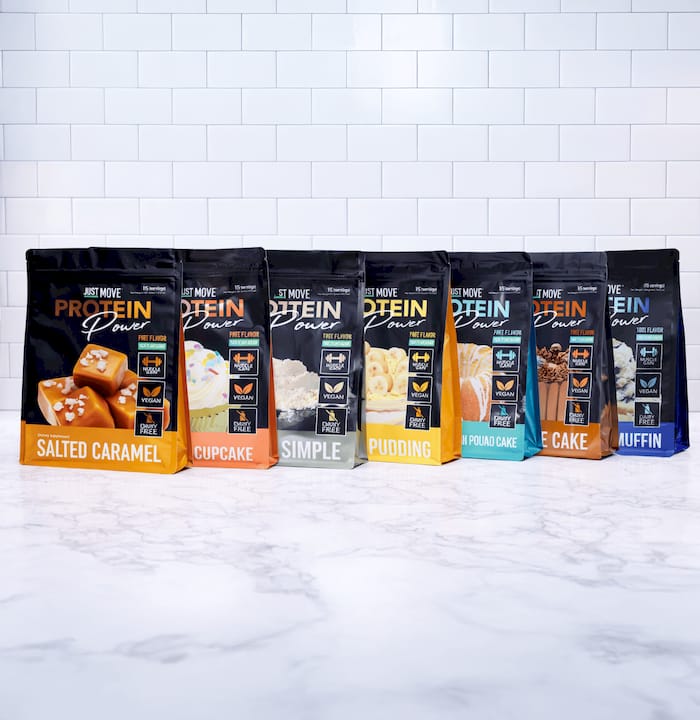
Just Move Supplements offers varied protein flavors and sample packs to help you find an option that suits your taste before buying more.
Table of Contents
Is Protein Powder Right for You? Benefits, Limits, and When to Use It
Protein powder solves a specific problem: getting enough protein when your schedule, appetite, or budget won’t cooperate with a chicken breast at every meal. It doesn’t replace whole food, and it was never designed to. Think of it as a bridge for the gap between what you eat and what your training demands.
The clearest use cases are practical, not aspirational. A lifter finishing a workout at 9 p.m. with no real food in the fridge benefits from a fast, mixable scoop. Someone juggling back-to-back meetings who skip lunch benefits from a shake that takes 30 seconds. Older adults, who often need more protein per meal than younger adults to maintain muscle mass, benefit from a formula that’s easy to digest and doesn’t require chewing through a large portion of meat. Travelers benefit because a bag of powder survives a suitcase better than a cooler of egg whites.
The limitations matter just as much as the benefits, and buying guides often skip them.
- Overuse is real: some people add protein powder on top of an already sufficient diet, which just adds calories without adding benefit.
- Added sugar and flavoring compounds can turn a “health” shake into a dessert, undermining a weight-loss goal.
- Independent testing has found some protein supplements carry detectable heavy metals, which is a real reason to favor third-party verified brands, especially if you drink a shake daily.
- Whole food delivers fiber, micronutrients, and satiety that isolated protein powder can’t match on its own.
Before you buy anything, run a three-question checklist. First, what’s your actual daily protein target, and how much of it are you missing from meals alone? Second, does your schedule genuinely create gaps a shake could fill, or are you buying out of habit? Third, would you rather default to whole food and use powder only as backup? Dietitians tend to frame protein powder as a convenience tool rather than a nutritional upgrade, and taste and consistency of use usually matter more than a marginally superior ingredient list. A product you’ll actually drink every day beats a “perfect” one that sits in the pantry.
Types of Protein Powders and How to Pick Between Them
Not all protein powders solve the same problem, and picking the wrong type is the most common mistake in this category. Here’s how the major types actually differ in practice, not just on the label.
Whey concentrate is the default for a reason. It’s usually the least expensive per gram of protein, it carries a complete amino acid profile, and it mixes easily in water or milk. The tradeoff is a higher lactose content, which can bother sensitive stomachs.
Whey isolate goes through extra filtering to strip out most of the lactose and fat, so you get a leaner, more protein-dense scoop. It costs more per serving, but if dairy usually causes bloating for you, isolate is often the fix rather than avoiding whey altogether.
Casein digests slowly because it forms a gel in the stomach, releasing amino acids over several hours instead of all at once. That makes it a smart choice before bed, when you want a steady supply of protein overnight rather than a quick spike.
Egg white protein gives dairy-free users a complete animal protein without the lactose question entirely. It’s less common on shelves and often pricier, but it’s a solid pick if you’re both avoiding dairy and skeptical of plant sources.
Plant blends solve a problem that a single plant protein can’t: no one plant source (pea, rice, hemp, soy) delivers a fully complete amino acid profile on its own. A blend of two or three plant sources fills in each other’s gaps, which is why multi-source plant blends consistently outperform single-source plant powders for muscle building purposes.
Collagen deserves a specific caution here. It supports skin, joints, and connective tissue, but it’s missing or very low in several essential amino acids that muscle tissue actually needs to rebuild. If your goal is strength or hypertrophy, collagen belongs alongside a complete protein, not in place of one.
A few practical notes worth remembering as you compare types:
- Whey generally mixes into a smooth shake, while plant proteins tend to be grittier in texture, which is often the real deciding factor in whether someone sticks with a product.
- If you’re building a shake around a specific goal, this muscle gain protein powder guide walks through matching type to training volume.
- Vegans exploring whole-food options alongside powder might look at a plant-protein bowl recipe for ideas on combining sources at meals, not just in shakes.
How to Read a Protein Powder Label Without Getting Fooled
Marketing copy on a tub front tells you almost nothing useful. The nutrition panel and ingredient list tell you everything. Here’s the order to check them in.
-
Check protein per serving first. Look for a serving that delivers roughly 20 to 30 grams of protein for the calorie and scoop size shown. Anything meaningfully lower means you’re paying for filler.
-
Scan the ingredient list length. A short list with the protein source named first (not “protein blend” buried fourth) is a green flag. Shorter, more recognizable ingredient lists generally mean fewer additives and less room for hidden fillers.
-
Watch for proprietary blends. If a label lists a “proprietary matrix” or “protein blend” without breaking down each source’s gram amount, you can’t verify how much of that scoop is actual protein versus cheap amino acid filler, a practice sometimes called amino-spiking. Full amino-acid transparency is the safer bet.
-
Cap added sugar at roughly 5 to 6 grams per serving. Flavored powders can smuggle in far more sugar than that under the “natural flavors” banner, so read the sugar line, not just the flavor name.
-
Look for a named third-party seal. NSF Certified for Sport, USP Verified, and Informed Sport or Informed Choice are the three that actually mean something. Supplements are not FDA-approved for safety or effectiveness before they hit shelves, which is exactly why an independent seal matters more here than in most food categories.
-
Do the cost-per-30-grams math. Dividing the tub price by total protein delivered is the only fair way to compare a $25 tub against a $45 tub, since serving sizes and scoop weights vary wildly between brands.
Pro Tip: Keep your phone calculator open in the supplement aisle. Price divided by (servings times grams of protein per serving, divided by 30) gives you a clean cost-per-30-grams number in about ten seconds, and it exposes bargain tubs that are actually the worse deal.
If you’re an athlete subject to drug testing, the seal isn’t optional. NSF Certified for Sport and Informed Sport both perform batch-level testing for banned substances and verify that what’s on the label matches what’s in the tub, which a general “lab tested” claim on a bag with no named program can’t guarantee.
Matching Protein Powder to Your Actual Goal
The right powder depends entirely on what you’re using it for, and buying the wrong type for your goal is the second most common mistake after skipping the label.
For muscle gain, prioritize complete proteins with a strong leucine content, since leucine is the amino acid that most directly triggers muscle protein synthesis. Whey concentrate or isolate at 20 to 30 grams per serving covers this well, and timing a shake within a couple of hours of training helps but matters less than hitting your total daily protein target.
For weight loss or appetite control, look at the calorie-to-protein ratio, not just the protein number. A shake with 25 grams of protein and 110 calories does more for satiety than one with 25 grams and 220 calories from added fats and sugar. Casein can also work well here because its slow digestion keeps you feeling full longer between meals.
For meal replacement, read past the protein line entirely. Meal-replacement-style shakes often carry more added carbohydrate, fiber, and calories than a standard protein powder, and that’s appropriate only if you’re genuinely replacing a full meal’s nutrition, not just topping up.
For vegan and plant-based diets, stick to multi-source blends over single-source powders. A pea-rice-hemp blend closes the amino acid gaps that any one plant source leaves open, and checking that the label still lands in the 20 to 30 gram range per serving matters just as much here as it does with whey.
For older adults, per-meal protein amount matters more than total daily protein. Aging muscle responds better to a larger dose concentrated at each meal than the same total spread thin across the day, so a higher-protein serving with easy digestibility (isolate, or a well-tolerated plant blend) tends to work better than a low-dose “just in case” shake.
Whatever your goal, the serving size calculations on the label are worth double-checking against your body weight and training volume rather than assuming the scoop line on the tub is calibrated for you specifically.
- Muscle gain: whey concentrate or isolate, 20 to 30 g per serving, leucine-rich
- Weight loss: lower-calorie protein or casein for satiety
- Meal replacement: check added carbs and fiber, not just protein
- Vegan: multi-source plant blends only
- Older adults: prioritize grams per meal over grams per day
How to Trial a New Protein Powder Before Committing
Buying a five-pound tub of a flavor you’ve never tasted is how most kitchen cabinets end up with a half-used container nobody wants. A better approach borrows from how dietitians actually test new foods with clients.
-
Start with a sample size or the smallest tub available, not a bulk order. A 15-serving or single-flavor sample removes the financial risk of guessing wrong.
-
Mix with water first, not milk. Milk masks a lot of texture and flavor problems that water reveals immediately, so testing in water gives you the honest read on mixability and taste.
-
Commit to two weeks of consistent use. Nutrition experts recommend a two-week trial specifically because taste fatigue and digestive tolerance both take a few uses to show up, not just one shake.
-
Track how your stomach responds. Bloating, gas, or discomfort usually trace back to lactose, sugar alcohols (often listed as erythritol or xylitol), or thickening agents like xanthan gum, so note what you drank on the days you feel off.
-
Decide whether to switch or scale up. If two weeks in you’re still avoiding the shake or feeling uncomfortable, that’s your answer, and it’s cheaper to learn that from a sample than a full tub.
Pro Tip: If plain or lightly sweetened flavors taste flat to you, don’t assume the product is bad before trying a mixing fix. Blending in frozen banana, cocoa powder, or a splash of coffee changes texture and flavor more than most people expect, and a good flavor-mixing guide can save a powder you’d otherwise write off.
How Justmovesupplements Helps You Test Before You Commit
The riskiest part of buying protein powder isn’t the ingredient panel, it’s committing to a full tub of a flavor and formula you’ve never actually tasted. Some companies address that risk directly with a few specific tools.
- The 15 Serving Protein Variety Bundle exists for exactly the two-week trial protocol described above, letting you test multiple flavors and see which one you’ll actually finish without buying five separate tubs.
- The Plain And Simple Unflavored Protein option is built for anyone who wants to control flavor entirely, whether that means blending it into recipes, oatmeal, or a smoothie without fighting an existing flavor profile.
- The Banana Pudding Protein flavor shows the brand’s dessert-inspired approach in action, a good example of how a flavored option can feel more like a treat than a chore.
- Supporting content including flavor-mixing tips and muscle-focused serving guidance can provide practical detail beyond nutrition labels.
None of this replaces the label literacy covered earlier in this guide. Check the protein-per-serving number, the sugar content, and any third-party seal before you buy, regardless of which brand or flavor you’re considering.
Why Most Protein Powder Advice Misses the Point
Most buying guides fixate on macros and ignore the variable that actually determines whether a powder gets used: whether you like drinking it. A perfectly formulated shake that tastes like chalk gets one use and then a permanent spot at the back of the pantry.
The conventional advice, chase the highest protein-per-dollar number, undersells two things that matter more day to day. First, third-party testing isn’t a nice-to-have footnote, it’s the only real check on a category the FDA doesn’t pre-approve for safety. Second, taste and mixability aren’t cosmetic concerns, they’re the difference between a supplement you use daily and one you quietly abandon after a week.
If you take one thing from this guide, let it be this: run the two-week trial before you commit to a full tub, and don’t skip the sugar and ingredient-list checks just because the front label says “clean” or “natural.” Read the back before you trust the front.
— Just
Try a Sample Before You Buy a Full Tub
You’ve read the label checklist, the two-week trial protocol, and the type breakdown. The next move is simple: don’t guess on a full-size tub when you can test first. Justmovesupplements built the 15 Serving Protein Variety Bundle specifically so you can run that trial across multiple dessert-inspired flavors instead of committing blind, and if you’d rather control flavor entirely, the Plain And Simple Unflavored Protein gives you a clean base for recipes and smoothies.
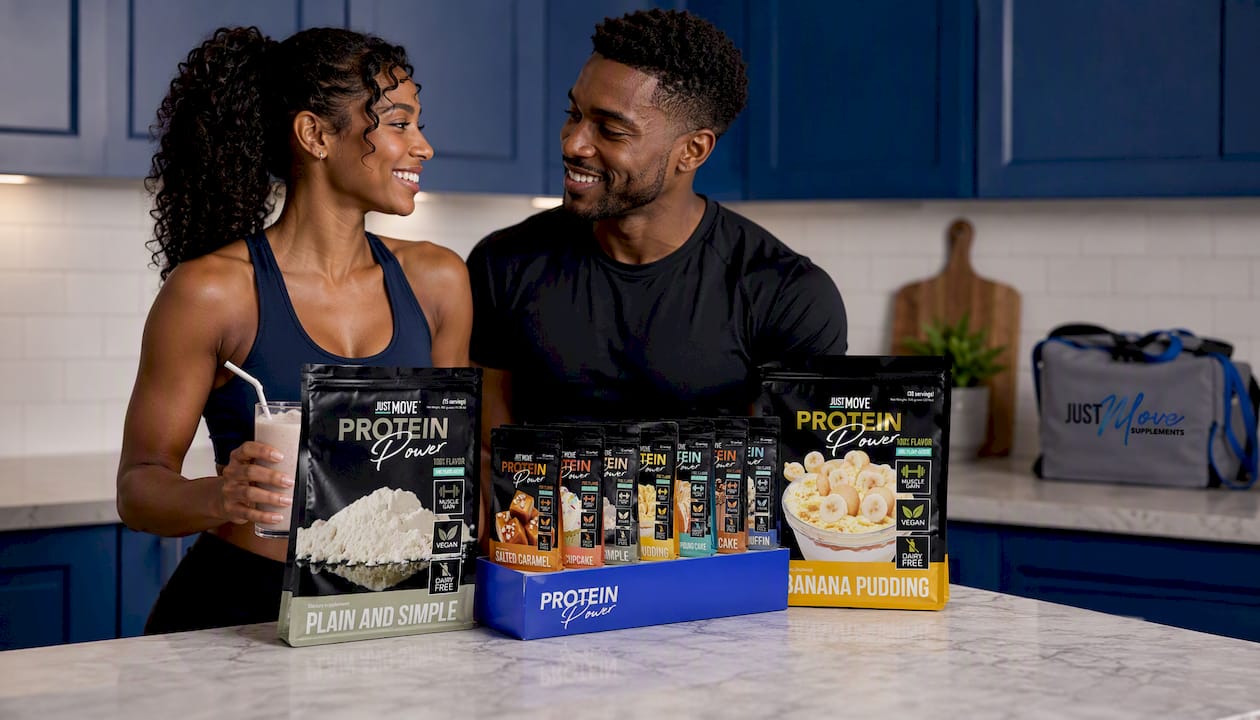
Before you order either one, run through the label checks from this guide: confirm the protein-per-serving number lands in the 20 to 30 gram range, check the sugar line, and look for a named third-party testing seal. If you want to browse the full lineup, including Energy Rush, Fat Burners, and more, or check Protein Samples and Shaker Cups for the rest of what you’ll need to actually mix a shake on the go, start there and pick the format that matches how you plan to use it.
Sources
For the regulatory basics, the FDA’s own explanation of how dietary supplements are regulated is the clearest primary source on why supplements aren’t pre-approved the way drugs are.
On contamination risk, Harvard Health’s reporting on heavy metals in protein powders lays out why independent testing matters for daily users specifically.
For practical buying steps, Precision Nutrition’s guide to choosing a protein powder and Healthline’s breakdown of protein powder types both cover ground this guide draws from directly, including the two-week trial recommendation and mixability differences between whey and plant sources.
FAQ
What Should I Look Out for When Buying Protein Powder?
Check the protein-per-serving amount first, aiming for 20 to 30 grams, then scan the ingredient list for length and clarity. Avoid proprietary blends without gram breakdowns, keep added sugar around 5 to 6 grams per serving, and look for a named third-party seal like NSF Certified for Sport or USP Verified.
Why Do Some Doctors Advise Against Protein Powder?
The caution usually isn’t about protein powder itself, it’s about unverified products and overuse. Some doctors point to heavy metal contamination found in certain untested supplements and to people using powder as a substitute for whole food rather than a supplement to it.
What Foods Are Almost 100% Protein?
Very few whole foods are pure protein; egg whites, skinless chicken breast, and white fish come close but still contain some fat or moisture weight. This is exactly why powders exist, they concentrate protein into a form that whole food generally can’t match gram for gram in a single serving.
What Are the Healthiest Types of Protein Powder?
There’s no single “healthiest” type, since the right choice depends on your goals and tolerance. Whey concentrate suits most dairy-tolerant adults, whey isolate suits those avoiding lactose, casein suits overnight use, and multi-source plant blends suit vegans, provided each one carries 20 to 30 grams of protein per serving and a short, transparent ingredient list.
Is Protein Powder Actually Worth Buying?
Yes, for most active adults who have a real gap between their protein target and what they eat in whole food. It’s not worth buying as a replacement for meals or as an unnecessary addition on top of an already sufficient diet.
Recommended


