The most effective way to mix protein powder flavors starts with three decisions: which flavors complement each other, which liquid fits your goals, and which technique prevents clumping. Get those three right, and every shake becomes something you actually look forward to. Get them wrong, and you’re choking down a chalky, overly sweet mess that makes you dread your next workout.
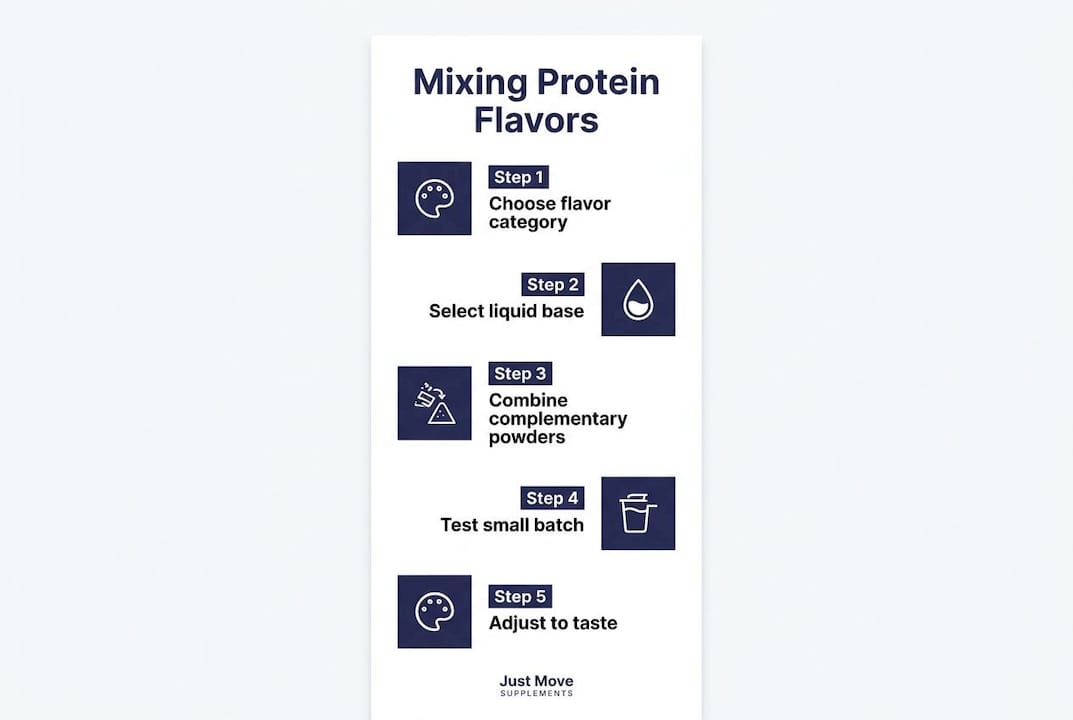
Here’s a quick-start checklist before you blend anything:
-
Identify your taste preferences first. Knowing whether you lean toward rich and creamy or light and fruity shapes every flavor decision that follows.
-
Match flavors that complement, not compete. Chocolate and peanut butter work because they share a savory-sweet profile. Vanilla and tropical fruit work because vanilla is neutral enough to let the fruit lead.
-
Choose your liquid based on your goals. Water keeps calories low and speeds absorption; milk or a fortified plant-based milk adds nutrients and creaminess for muscle building or meal replacement.
-
Add liquid before powder, always. Pour your liquid in first, add the powder on top, and shake immediately. This single habit eliminates most clumping problems.
-
Use a shaker bottle or blender. A shaker with a mixing ball or grid breaks up particles far better than a spoon in a glass.
-
Try the slurry method when you have no tools. Add a small amount of liquid to the powder, stir into a paste, then pour in the rest of the liquid and shake vigorously.
-
Avoid hot liquids and incompatible sweeteners. Heat causes protein to clump and partially denature. Mixing powders that use Stevia with ones that use sucralose often produces a sharp, chemical aftertaste.
How do you choose the right protein powder flavors for your goals?
Flavor choice is not just about taste. It shapes whether you stick with your nutrition plan long enough to see results.
The four main flavor categories each serve a different purpose. Vanilla is the most versatile, pairing cleanly with fruit, nut butters, and oats without overpowering them. Chocolate is rich and satisfying, making it the go-to for post-workout shakes when you want something that feels like a reward. Fruit flavors, including strawberry, mixed berry, and tropical blends, tend to be lighter and work well for low-calorie protein shake options mixed with water or coconut water. Dessert-inspired types, think birthday cake, cinnamon bun, and blueberry cobbler, deliver a more indulgent experience and have grown sharply in popularity as brands treat supplementation as a culinary event rather than a chore.
Your fitness goal should guide your flavor selection as much as your palate does. If you’re building muscle and eating in a caloric surplus, richer flavors like chocolate or peanut butter pair well with whole milk or oat milk for added calories and protein. For weight management, lighter fruit flavors mixed with water or unsweetened almond milk keep the calorie count low while still making the shake enjoyable. Meal replacement shakes benefit from neutral or vanilla-based flavors because they blend more easily with added ingredients like spinach, oats, or seeds.
Balancing sweetness matters when you combine two flavored powders. A chocolate powder blended with a peanut butter powder can quickly become cloying if both use heavy sweetener loads. Start with a higher portion of the primary flavor compared to the secondary, then adjust to taste.
-
Dietary restrictions shape your options. Lactose intolerance rules out whey concentrate for some people; plant-based powders in vanilla or chocolate work as direct substitutes.
-
Allergies to tree nuts mean skipping flavors that include almond or cashew ingredients, which some dessert-inspired types contain.
-
Gluten sensitivity requires checking labels on cereal-flavored powders, since some use actual grain-derived flavorings.
Pro Tip: Before buying a full tub, test small servings first. Justmovesupplements offers a protein sample variety pack with 7 flavors so you can find your favorites without committing to a full container.
Which liquids and mixers actually improve your protein shake?
The liquid you choose does more than add volume. It changes the calorie count, the texture, the flavor intensity, and how quickly your body absorbs the protein.
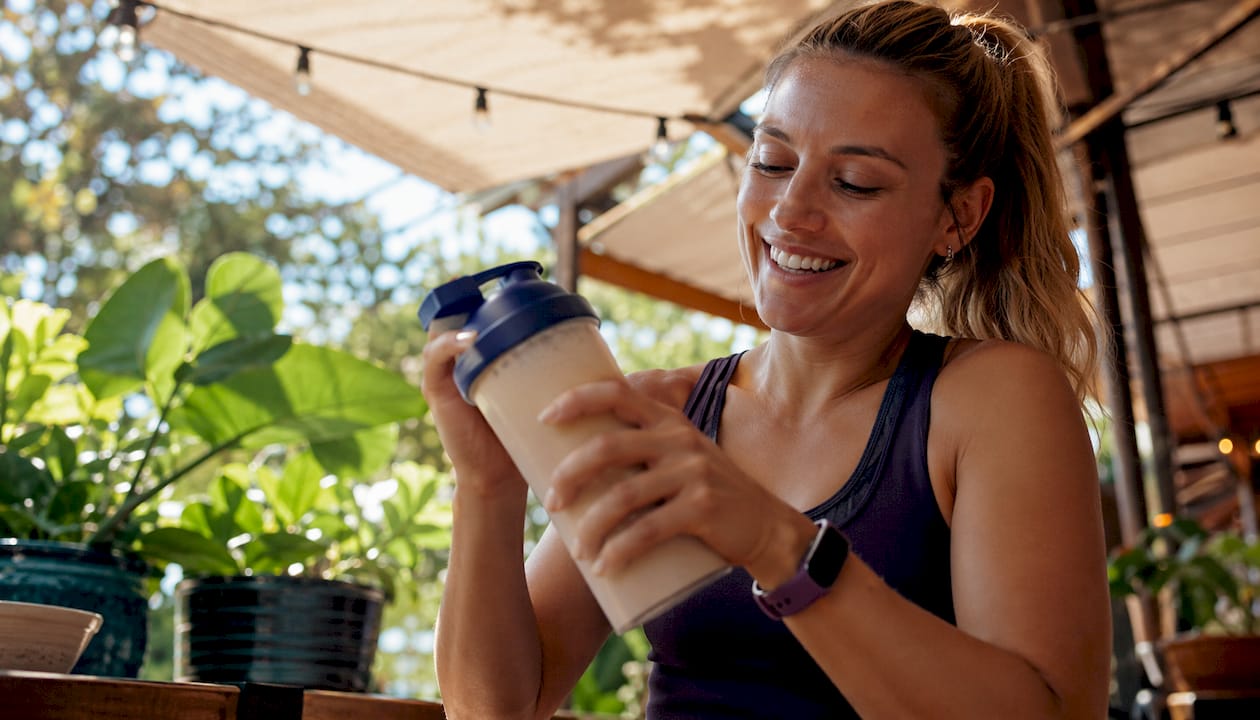
Water is the cleanest option for fast absorption and weight management. It adds zero calories, lets the powder’s flavor come through clearly, and digests quickly, making it ideal post-workout when you want protein in your system fast. The trade-off is texture: water produces a thinner shake, and some powders taste noticeably artificial without a creamier base. Sports nutritionists consistently point to liquid selection based on fitness goals as one of the most overlooked variables in shake quality.
Dairy milk adds protein, calcium, and a creaminess that makes richer flavors like chocolate or peanut butter genuinely satisfying. Whole milk is the better choice for muscle-building phases; skim milk works for moderate calorie control. Plant-based milks cover a wide range of needs. Unsweetened almond milk is low in calories and pairs well with vanilla or fruit flavors. Oat milk adds natural sweetness and a thicker texture, making it a strong match for dessert-inspired powders. Soy milk delivers the most protein of any plant-based option and works across most flavor types.
For plant-based protein options and how they pair with different milks, the top plant-based protein shakes guide from Granavitalis covers flavor and nutrition pairing in detail.
Liquid temperature matters more than most people realize. Hot liquids cause protein particles to clump and can partially denature the protein, reducing both texture quality and absorption. Always mix with cold or room-temperature liquid first, even if you plan to add the shake to a warm beverage afterward.
Mixers that add nutrition and flavor complexity:
- Frozen banana: adds natural sweetness, potassium, and a thick, creamy texture
- Mixed berries: boost antioxidants and pair especially well with vanilla or unflavored powders
- Greek yogurt: increases protein content and creates a smooth, dense consistency
- Peanut or almond butter: adds healthy fats and deepens chocolate or vanilla flavors
- Chia seeds or flaxseeds: contribute fiber and omega-3s without changing the flavor noticeably
- Spinach: blends invisibly into fruit-based shakes and adds micronutrients with no detectable taste
Mixing order for a smooth shake:
- Pour half your liquid into the shaker or blender.
- Add the protein powder on top.
- Shake or blend until the powder is fully dissolved.
- Add the remaining liquid and shake once more.
Pro Tip: Adding fruits, nut butters, or seeds works best in a blender. A shaker bottle can handle simple powder-and-liquid combos, but whole food additions need blending to distribute evenly and avoid a gritty texture.
Popular protein powder flavor combinations and smoothie recipes
The best flavor pairings share a common logic: one flavor leads, the other supports. When both flavors compete for dominance, the result is muddy and overly sweet.
Tried-and-true combinations worth building on:
- Chocolate + peanut butter: the most popular pairing for good reason. The bitterness in chocolate balances the saltiness in peanut butter, creating a savory-sweet profile that never gets old.
- Vanilla + mixed berry: vanilla acts as a neutral canvas, letting the tartness of berries come forward cleanly.
- Coffee + vanilla: cold brew coffee with a vanilla protein scoop produces a café latte shake that works as a morning meal replacement.
- Chocolate + banana: a classic that mimics a chocolate milkshake with added potassium and natural sweetness.
- Vanilla + tropical fruit (pineapple, mango): light, refreshing, and well-suited to water or coconut water as the base.
Five recipes to try this week:
-
Chocolate Peanut Butter Shake: 1 scoop chocolate protein powder, 1 cup dairy or plant-based milk, 1 tablespoon peanut butter, 1 teaspoon cocoa powder, ice. Blend until smooth. Add a pinch of salt to sharpen the flavor.
-
Vanilla Berry Blast: 1 scoop vanilla protein powder, 1 cup frozen mixed berries, ½ cup Greek yogurt, ½ cup water or almond milk, 1 teaspoon honey (optional). Blend until creamy.
-
Café Latte Protein Shake: 1 scoop vanilla or coffee-flavored protein powder, 1 cup cold brew coffee, ½ cup milk, 1 teaspoon cinnamon, ice. Shake or blend for a smooth, energizing morning drink.
-
Tropical Green Shake: 1 scoop vanilla or unflavored protein, 1 cup coconut water, ½ cup frozen pineapple, 1 handful spinach, ½ avocado. Blend thoroughly. The avocado adds creaminess without dairy.
-
Peanut Butter Apple Crunch: a Justmovesupplements favorite that pairs peanut butter protein with apple and cinnamon for a dessert-inspired shake that still fits a clean nutrition plan. The full recipe is available at the Peanut Butter Apple Crunch recipe page.
Tracking your combinations pays off faster than you’d expect. Write down the ratio, the liquid, and any extras you used, then rate the result on taste and how it made you feel. Within two weeks, you’ll have a personal shortlist of go-to shakes that fit both your palate and your macros.
- For dessert-inspired shakes, use water or a light non-dairy milk to avoid excessive sweetness.
- For fruity shakes, coconut water adds electrolytes and a subtle sweetness without dairy calories.
- For high-protein meal replacements, whole milk or oat milk with Greek yogurt pushes protein and calories higher without requiring extra scoops.
Common mistakes that ruin your protein shake
Most texture and taste problems come down to a handful of repeatable errors. Fixing them takes less than a minute and makes a noticeable difference from the first shake.
The most frequent mistakes and how to correct them:
-
Adding powder before liquid. Powder sticks to the bottom and sides of the container, forming dense clumps that never fully dissolve. Always pour liquid in first.
-
Using hot liquid. Heat causes protein to denature and clump, degrading both texture and absorption. Use cold or room-temperature liquid every time.
-
Not shaking long enough. A quick three-second shake leaves powder partially dissolved. Shake vigorously for at least 30 seconds.
-
Mixing incompatible sweeteners. Combining a powder sweetened with Stevia and one sweetened with sucralose often creates a bitter, chemical aftertaste. Check the sweetener on the label before blending two flavored powders together.
-
Overloading rich flavors with heavy dairy. Dessert-inspired powders like birthday cake or taro milk tea become overwhelmingly sweet when mixed with whole milk. Use water or unsweetened almond milk to keep the flavor balanced.
-
Skipping the blender for thick recipes. Nut butters, frozen fruit, and yogurt do not dissolve in a shaker bottle. Use a blender for any recipe with whole food additions.
-
Ignoring clumped powder in the container. Old or humid powder clumps inside the tub. Break up large clumps with a fork or sift the powder before adding it to your shaker.
For a deeper look at what not to do when building your shake, the Justmovesupplements guide on common shake mistakes covers flavor and texture pitfalls specific to flavored protein powders.
Pro Tip: If you’re mixing two flavored powders for the first time, start with a small test batch using half scoops of each. This lets you rate protein powder flavors systematically before committing to a full serving.
Advanced insights: what’s changing in protein flavor mixing in 2026
The protein flavor category has shifted in a direction that would have seemed unlikely five years ago. Flavors like Taro Milk Tea, Fruity Cereal, and Blueberry Cobbler now sit alongside chocolate and vanilla as mainstream choices, and the approach to mixing them has had to evolve accordingly.
The protein flavor game has shifted toward complex, nostalgia-inspired blends that make supplementation feel like a culinary experience. Brands are no longer competing on protein content alone. Flavor creativity has become a primary differentiator, and the mixing strategy has to match.
This shift has practical consequences for how you mix. Richer, dessert-inspired powders carry heavier sweetener loads than classic flavors, which means the liquid choice becomes more critical. Water or unsweetened almond milk lets the flavor express itself without tipping into cloying territory. Oat milk, with its natural sweetness, can push a birthday cake or cinnamon bun powder past the point of enjoyment.
Advanced mixing techniques worth adopting in 2026:
-
Pre-mix dry ingredients. If you’re adding cocoa powder, cinnamon, or a second protein powder, combine all dry ingredients before adding any liquid. This prevents uneven distribution and flavor pockets.
-
Let the shake rest. After shaking or blending, let it sit for 2–3 minutes. Remaining micro-clumps dissolve on their own, and the flavors meld more evenly.
-
Use ice strategically. Ice not only chills the shake but also helps break up clumps during blending, producing a smoother final texture.
-
Match sweetener profiles when combining powders. Read the label and pair powders that use the same sweetener type. Stevia with Stevia, sucralose with sucralose. Mismatched sweeteners are the leading cause of off-tasting blended shakes.
-
Try unflavored protein as a base. Justmovesupplements’ unflavored protein mixes cleanly with any flavored powder or whole food ingredient, giving you full control over the final taste without adding competing sweetness.
The beverage base is also evolving alongside flavor innovation. Cold brew coffee, coconut water, and kefir have all moved from novelty to practical mixer options, each adding a distinct nutritional and flavor dimension. Cold brew amplifies coffee-flavored powders and adds a mild caffeine boost. Coconut water works with tropical and fruit flavors while contributing electrolytes. Kefir adds probiotics and a tangy creaminess that pairs well with vanilla or berry profiles. For more on how plant-based drinks are shaping the mixing conversation, the 2026 plant-based protein drinks guide from Granavitalis is worth a read.
Key Takeaways
Mixing protein powder flavors effectively comes down to pairing complementary flavors, choosing the right liquid for your goals, and following a consistent technique that prevents clumping and preserves taste.
| Point |
Details |
| Liquid choice drives results |
Water suits weight management and fast absorption; milk or fortified plant-based milk supports muscle building and meal replacement. |
| Add liquid before powder |
Pouring liquid first prevents powder from sticking to the container and forming clumps that won’t dissolve. |
| Match sweetener profiles |
Combining powders with different sweeteners (Stevia vs. sucralose) creates bitter aftertastes; always check labels before blending two flavored powders. |
| Test before you commit |
Using a sample variety pack lets you find preferred flavor combinations without wasting a full tub on a flavor that doesn’t work for you. |
| Dessert flavors need lighter mixers |
Rich, nostalgia-inspired powders perform better with water or unsweetened almond milk to avoid excessive sweetness. |
Ready to find your perfect protein flavor?
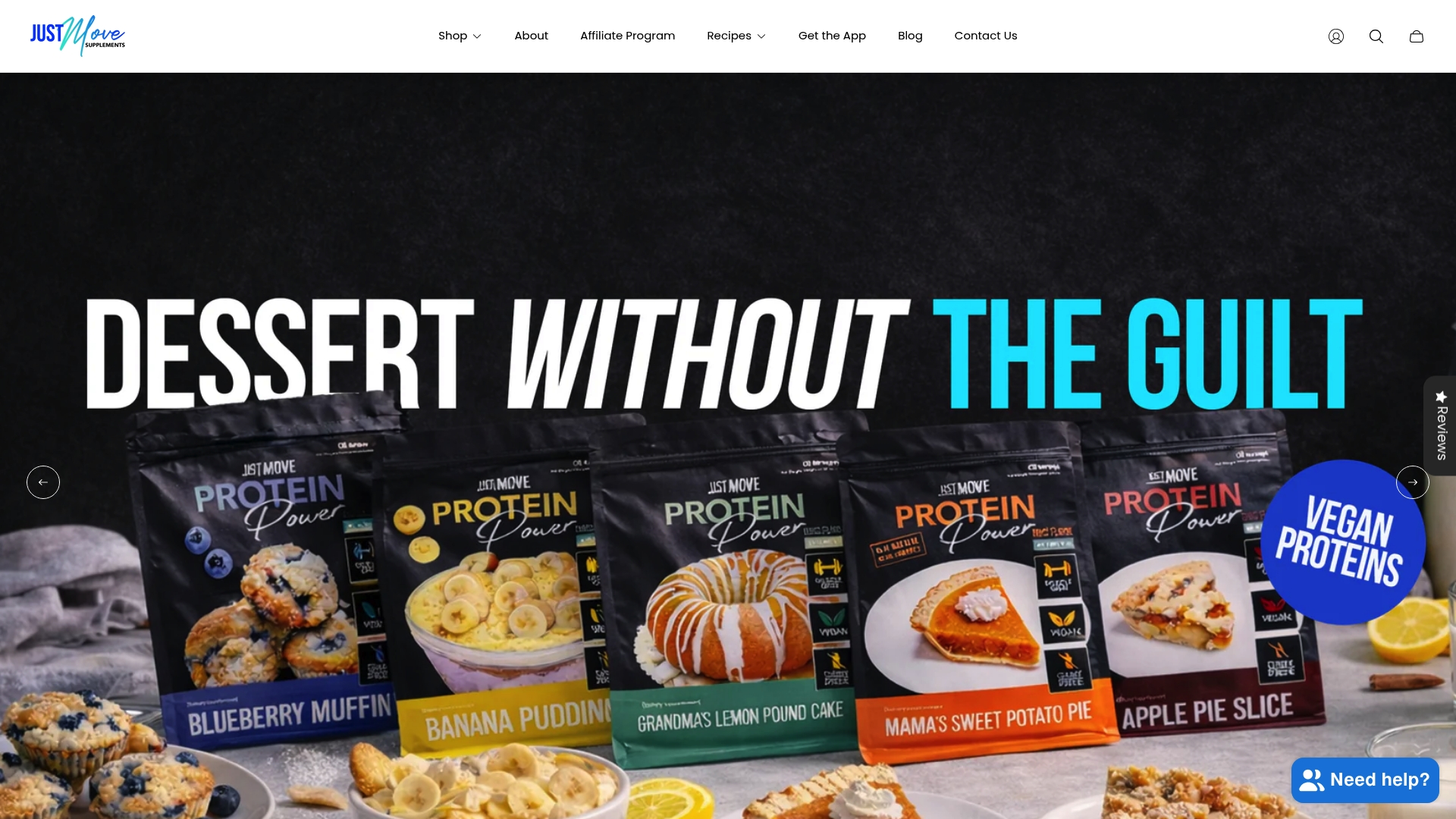
Justmovesupplements makes it easy to experiment without the risk. The 7-flavor sample variety pack gives you a full range of options to test, from classic chocolate and vanilla to unique blends, so you can dial in your favorites before buying a full tub. Prefer a clean slate? The Plain and Simple Unflavored Protein mixes with anything and lets you build flavor entirely on your own terms. Your next great shake is one experiment away.
Recommended


