The most effective approach to seasonal protein flavor selection is a simple four-season rotation: light berry and citrus in spring, tropical and tart in summer, warm spiced and caramel in fall, and rich grounding flavors in winter. Pick two flavors per season, test them with a sample pack before buying full tubs, and adjust your mixing method to match the season’s serving style.
This season’s quick picks:
-
Spring: Strawberry or lemon-coconut blended cold with water or oat milk
-
Summer: Mango-coconut or cherry shaken with ice water
-
Fall: Pumpkin spice or salted caramel stirred into hot oatmeal or a latte
-
Winter: Peppermint cocoa or gingerbread mixed into warm milk
Stat worth knowing: 77% of US consumers expressed interest in trying new, diverse flavors — which means bold seasonal picks are not a niche preference. They are where the market is heading.
Order a sample pack first. Commit to a full tub only after you have run at least two taste tests with your preferred liquid and ratio.
Table of Contents
What are the best protein flavor families for each season?
Seasonal flavor patterns in the US follow a consistent logic: spring and summer favor brightness and refreshment, fall and winter favor warmth and comfort. Matching your protein flavor to that rhythm is not just about preference. It keeps you consistent, because a flavor that feels right for the weather is one you will actually finish.
Spring: light, bright, and clean
Spring calls for berry, lemon, and coconut profiles. These flavors feel aligned with the shift toward lighter eating and more outdoor activity. Strawberry, mixed berry, and lemon-coconut all work well blended cold with water or unsweetened almond milk. They are also easy to pair with fresh fruit, which adds natural sweetness without extra sugar. Avoid heavy cream-based mixes in spring; they mute the brightness that makes these flavors satisfying.
Summer: tropical, tart, and cooling
Mango, coconut, cherry, and watermelon are the standout summer picks. The key is cold preparation. Shaking a tropical flavor with ice water or blending it with frozen fruit gives you a genuinely refreshing drink rather than a warm, thick shake. Fruity protein profiles work especially well in protein waters and clear-protein formats during summer, where the lighter texture matches the season’s preference for hydration over density.

Fall: warm spices and comforting sweets
Pumpkin spice, cinnamon, apple caramel, and salted caramel are the dominant fall flavor families. These profiles work because they tap into deeply familiar seasonal cues. Stirring a pumpkin spice protein into oatmeal or blending a caramel flavor into a coffee latte makes the protein feel like part of the meal rather than an obligation. Brands that pair familiar profiles with modern twists — think salted caramel instead of plain caramel — consistently see stronger trial and repeat purchase.
Winter: rich, grounding, and hot-blend ready
Peppermint cocoa, gingerbread, dark chocolate, and spiced mocha define winter protein flavor. Formulators specifically design these blends for hot preparations, meaning they mix cleanly into warm milk or hot cereal without clumping. Winter is the one season where you should actively lean into hot mixing. A peppermint hot cocoa protein stirred into steamed oat milk is genuinely satisfying in a way a cold shake cannot replicate in January. Winter protein blends are also formulated to tolerate cold shipping, so pre-ordering a seasonal flavor in November is a reliable strategy.

How does your protein base affect which flavors will actually work?
The protein source sets the ceiling for flavor success before a single drop of flavoring is added. This is the most overlooked factor in choosing seasonal flavors, and it explains why the same “strawberry” flavor tastes clean in one product and chalky or metallic in another. The refinement level of the base protein is the primary determinant of how delicate a flavor can be.
| Protein Base |
Flavor Ceiling |
Best Seasonal Fits |
Masking Approach |
| Whey isolate |
High — supports delicate fruit notes |
Spring berry, summer tropical, light café |
Minimal masking needed; watch for metallic off-notes |
| Whey concentrate |
Medium — slight dairy richness |
Fall caramel, winter cocoa, vanilla blends |
Creamy mix-ins (milk, nut butter) complement the base |
| Plant protein blend |
Lower — earthy/beany off-notes common |
Chocolate, chai, peanut butter, cocoa-forward |
Vanillic maskers, cocoa, or acid-forward flavors |
| Collagen/hydrolyzed |
High for subtlety — neutral but thin mouthfeel |
Subtle fruit, hot latte blends, light vanilla |
Fat-based mix-ins add body; works well in hot recipes |
| Multi-source blend |
Variable — depends on ratio |
Versatile; test before committing |
Complementary anchors (vanilla + cocoa) balance off-notes |
Plant proteins often carry earthy or bitter notes that clash with delicate spring and summer fruit flavors. Vanilla, cocoa, chai, and chocolate peanut butter are the most reliable plant-protein pairings because they work with the base rather than against it. If you are using a plant protein and want a fruity summer flavor, add a squeeze of citrus or a splash of tart cherry juice to the mix. The acid brightens the fruit note and pushes the beany character into the background.
Pro Tip: If your whey isolate has a metallic or sour edge, a small pinch of salt and a tablespoon of full-fat coconut milk will neutralize it without adding significant calories. This works especially well with berry and tropical flavors.
Format matters more than most people expect. A powder gives you full control over liquid, temperature, and ratio. A ready-to-drink (RTD) gives you consistency but almost no ability to adjust. Clear proteins and protein waters need flavors that offset astringency, which is why tart and acidic profiles (cherry, citrus, watermelon) dominate that format.
Milk versus water is the single biggest variable in perceived flavor. Milk, whether dairy or plant-based, adds creaminess that mutes acidity and amplifies sweetness. Water lets the flavor’s true character come through, including any off-notes. For spring and summer fruit flavors, water is usually the better choice. For fall and winter warm flavors, milk is almost always superior.
Temperature also changes flavor volatility. Cold preparations suppress aromatic compounds, making flavors taste milder. Hot preparations release them, which is why a peppermint or gingerbread protein tastes dramatically more intense in warm milk than in a cold shake. Winter blends are specifically formulated for hot beverages and cereals, so use them that way.
Pro Tip: For summer blends, add your liquid to the shaker first, then the powder, then ice. This order prevents clumping and keeps the flavor bright rather than muted by a thick foam layer.
Quick seasonal recipes and mix-ins that actually work
The right mix-in can take a good seasonal flavor to genuinely great. A few principles hold across all seasons: acids (citrus juice, tart cherry) brighten fruit flavors; fats (nut butter, coconut milk, avocado) deepen chocolate and caramel; spices (cinnamon, cardamom, ginger) add warmth for fall and winter. You can mix protein powder flavors strategically to build profiles that feel seasonal without buying a new tub every month.
Spring recipes:
-
Berry-lime smoothie: 1 scoop strawberry or mixed berry protein + 1 cup unsweetened almond milk + ½ cup frozen mixed berries + juice of half a lime. Blend until smooth.
-
Lemon overnight oats: 1 scoop lemon-coconut protein + ½ cup rolled oats + ¾ cup oat milk + 1 tsp chia seeds. Stir and refrigerate overnight.
Summer recipes:
-
Mango-coconut shake: 1 scoop mango or tropical protein + 1 cup light coconut milk + ½ cup frozen mango chunks + ice. Blend cold.
-
Iced cherry protein water: 1 scoop cherry or berry protein + 16 oz cold water + a squeeze of lemon. Shake vigorously with ice.
Fall recipes:
-
Pumpkin spice protein latte: 1 scoop pumpkin spice or cinnamon protein + 8 oz hot oat milk + 2 tbsp pumpkin puree + a pinch of nutmeg. Whisk until smooth.
-
Apple-caramel overnight oats: 1 scoop caramel or vanilla protein + ½ cup rolled oats + ¾ cup apple juice + ½ diced apple + cinnamon. Refrigerate overnight.
Winter recipes:
-
Peppermint hot cocoa protein: 1 scoop peppermint cocoa or chocolate protein + 10 oz warm dairy or oat milk + 1 tsp unsweetened cocoa powder. Whisk and serve hot.
-
Spiced mocha shake: 1 scoop chocolate or mocha protein + 8 oz cold brew coffee + ½ cup oat milk + a pinch of cinnamon and cardamom. Shake with ice.
Year-round staples that elevate any seasonal flavor: banana (adds creaminess and natural sweetness), almond or peanut butter (adds fat and depth), cinnamon (bridges warm and fruit profiles), citrus zest (brightens without adding liquid), and a pinch of sea salt (sharpens sweetness in caramel and chocolate).
How do you taste-test protein flavors without wasting money?
The most reliable way to find your seasonal flavor is a structured sample-and-test approach. Buying a full tub based on a description is the single most common source of protein-powder regret.
-
Order a sample pack or single-serve trial. The Just MOVE Protein Sample Variety Pack covers seven flavors in one order, which lets you run a full seasonal rotation test before committing to anything larger.
-
Prepare each sample with the same base. Use the same liquid, temperature, and ratio for every flavor you test. Eight ounces of cold water at a 1:1 scoop-to-liquid ratio is a neutral standard. This removes variables and makes comparisons meaningful.
-
Run a blind or semi-blind test. Have someone else prepare two or three samples without telling you which is which, or simply close your eyes and focus on sensory input rather than label expectations.
-
Use a short sensory checklist for each sample:
-
Sweetness: too much, too little, or balanced?
-
Off-notes: chalkiness, beany character, metallic edge, or sour finish?
-
Mouthfeel: thin, thick, gritty, or smooth?
-
Aftertaste: clean, lingering, or unpleasant?
-
Fit for use: would you enjoy this post-workout, as a meal replacement, or in a recipe?
-
Run at least two trials per flavor before making a final call. First impressions are often skewed by expectation. A second trial with a different liquid (try milk instead of water) frequently changes the result.
-
Record your notes. A simple note on your phone with a score from 1 to 5 on each checklist item is enough. After three or four flavors, patterns become obvious.
If a flavor scores poorly on off-notes but well on everything else, adjust the mixing approach before rejecting it. Chalkiness often disappears when mixed with milk. A beany note often fades with a teaspoon of cocoa powder. Switch the method before switching the flavor.
Pro Tip: Test your top two seasonal candidates side by side in the recipe format you plan to use most often — not just shaken with water. A caramel flavor that tastes flat in water can be exceptional stirred into oatmeal.
How do you fix common protein flavor problems fast?
Most flavor disappointments have a straightforward fix. The table below covers the most common issues and the fastest solutions.
Chalkiness: Add a fat source (full-fat milk, coconut milk, or a tablespoon of nut butter). Fat coats the palate and smooths the texture. Blending rather than shaking also helps significantly.
Beany or earthy notes (plant proteins): Add a teaspoon of unsweetened cocoa powder, a splash of vanilla extract, or a squeeze of citrus. Vanillic maskers and complementary flavor anchors are the professional solution; cocoa and vanilla are the home equivalent. Chai and chocolate peanut butter profiles are specifically designed to work with plant bases, so switching to those flavor families is also a reliable fix.
Metallic or sour aftertaste (often whey isolate): A small pinch of salt neutralizes metallic notes. Adding creaminess (milk or coconut milk) rounds out sour edges. This is particularly common with berry and citrus flavors in high-isolate formulas.
Excessive sweetness: Cut with unsweetened cocoa powder, a squeeze of lemon or lime, or a pinch of salt. These three ingredients shift the flavor balance without adding significant calories. If the sweetness comes from a non-nutritive sweetener and the aftertaste bothers you, switching to a naturally sweetened formula is the cleaner long-term fix.
Seasonal flavor sold out: Match the polarity of the missing flavor. If your fall pumpkin spice is unavailable, a cinnamon or vanilla caramel profile fills the same sensory role. If a summer tropical is gone, a mixed berry or citrus profile covers the same bright, acidic territory. Avoid crossing polarity (replacing a light citrus with a rich chocolate) because the serving context and mix-ins will not transfer.
Storage tip: Keep protein powder in a cool, dry place away from direct sunlight. For limited seasonal flavors, single-serve packets are the best format for preserving freshness through a holiday period. Humidity is the primary enemy of powder texture and flavor integrity.
How do you match protein flavors to your training goals?
Flavor selection works best when it aligns with how and when you are using the protein. A post-workout shake has different requirements than a meal replacement or a dessert-style snack.
Goal-based flavor mapping:
-
Post-workout: Lighter, cleaner flavors (berry, citrus, vanilla, tropical) are easier to consume when appetite is suppressed after intense training. Heavy, rich flavors can feel overwhelming immediately post-exercise.
-
Meal replacement: Creamier, more satiating profiles (caramel, chocolate, peanut butter, cinnamon) work better here because they feel more like food and support fullness longer.
-
Dessert or evening snack: Indulgent profiles (peppermint cocoa, gingerbread, salted caramel, dark chocolate) satisfy sweet cravings without the caloric load of actual dessert. These are the flavors worth prioritizing in fall and winter.
-
Baking and cooking: Vanilla and chocolate are the most versatile for recipes. Avoid heavily sweetened or artificially flavored powders in baked goods; they can turn bitter under heat.
Diet-specific considerations:
-
Low-sugar or keto: Check the sweetener profile before buying a seasonal flavor. Many holiday and fall flavors use added sugars for authenticity. Look for stevia or monk fruit-sweetened versions, and pair with high-fat mix-ins (coconut cream, almond butter) to support satiety.
-
Plant-based: Stick to flavor families that complement earthy bases (chocolate, chai, vanilla, peanut butter). For plant-based protein alternatives, the flavor masking approach matters as much as the flavor itself.
-
Portability: If you are mixing on the go, choose flavors that taste good with water alone. Tropical, berry, and citrus profiles are the most forgiving without a blender or milk.
When flavor and function conflict — you love peppermint cocoa but need a post-workout option — prioritize function on training days and save the indulgent flavor for recovery days or evening use. You do not have to choose one flavor for every context.
Key Takeaways
Matching your protein flavor to the season, your protein base, and your training goal is the fastest way to stay consistent and actually enjoy what you are drinking.
| Point |
Details |
| Rotate by season |
Spring/summer favor bright and tart; fall/winter favor warm, spiced, and rich profiles. |
| Check your protein base first |
Whey isolate supports delicate fruit; plant proteins need masking-friendly flavors like cocoa, chai, or vanilla. |
| Sample before you commit |
Use a 7-flavor sample pack and a short sensory checklist to evaluate sweetness, off-notes, mouthfeel, and aftertaste. |
| Fix before you discard |
Chalkiness, beany notes, and excess sweetness each have a fast fix (fat, acid, or salt) before you give up on a flavor. |
| Justmovesupplements sample pack |
The Just MOVE 7-flavor variety pack and 15-serving bundle let you test a full seasonal rotation at low risk. |
The conventional wisdom treats seasonal protein flavors as a marketing gimmick, something brands roll out in October to sell pumpkin spice and move on. That framing misses what actually happens when you rotate flavors intentionally.
Seasonal cues reduce decision fatigue and lower perceived risk. When a flavor feels right for the time of year, you are more likely to reach for it consistently. Consistency is the variable that actually drives results in any nutrition protocol, not the macros on the label. A protein powder you enjoy drinking every day outperforms a technically superior formula you avoid because the flavor bores or bothers you.
The deeper insight is that seasonal rotation works best when it is disciplined rather than impulsive. Picking two or three flavors per season, testing them systematically, and adjusting your mixing method based on what the base protein can actually support is a fundamentally different approach than buying whatever looks interesting in November. The brands and consumers who treat seasonal flavor as an intentional decision tool rather than a calendar reflex are the ones who build lasting habits around it.
Small experiments beat large investments here. A sample pack that costs a fraction of a full tub tells you everything you need to know about whether a flavor fits your palate, your base protein, and your preferred serving context. That information is worth far more than the convenience of buying in bulk and hoping for the best.
Try a seasonal flavor rotation without the risk
Committing to a full tub of an untested seasonal flavor is exactly the kind of friction that derails good nutrition habits. Justmovesupplements built the Just MOVE Protein Sample Variety Pack to remove that friction entirely. Seven flavors in one order means you can run a complete seasonal rotation test before spending on anything larger.
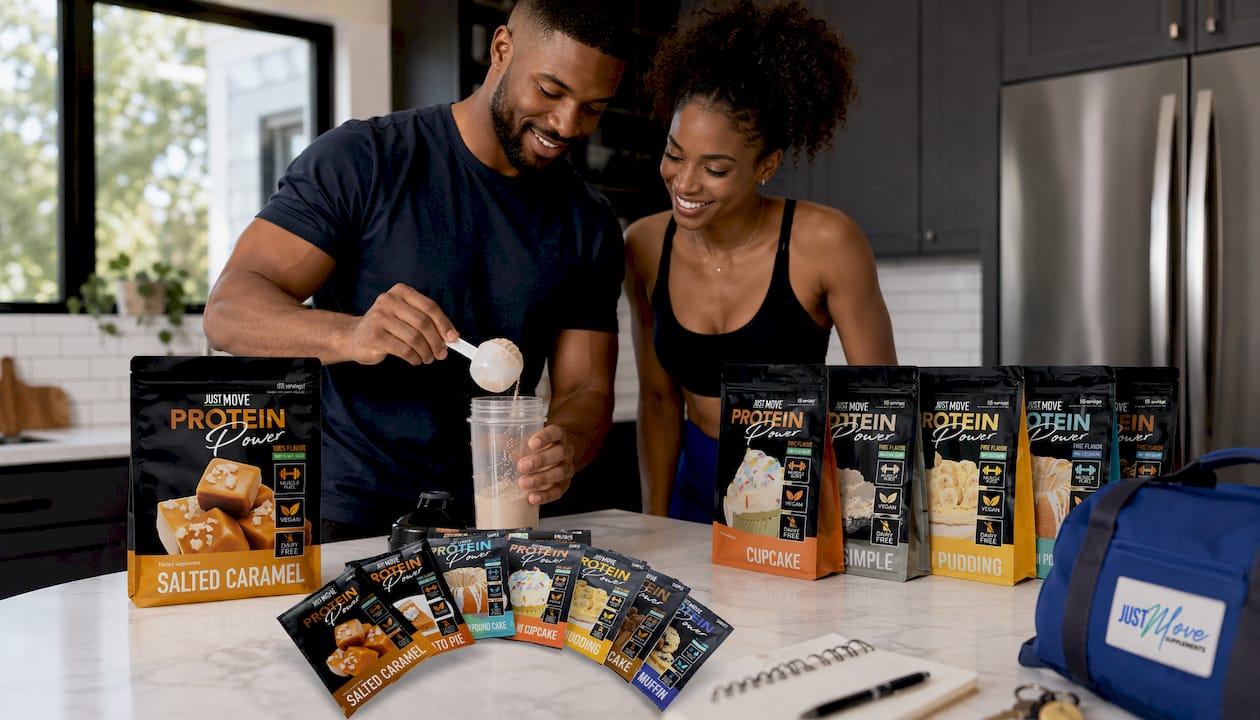
For readers who want more than single-serve samples but are not ready for a full commitment, the 15-serving variety bundle gives you enough of each flavor to test it across multiple recipes and mixing methods. And if you are looking for a fall or winter pick that delivers on the indulgent side, the Salted Caramel Protein pre-order is the seasonal flavor worth locking in now. It is the kind of familiar-with-a-twist profile that works equally well in a latte, stirred into oatmeal, or shaken cold. Start with the sample pack, find your two seasonal favorites, and build from there.
Useful sources
The following sources informed the flavor science, market trend data, and formulation guidance in this article.
- Seasonal Flavors in the Spotlight: Creating Winning LTOs — FlavorSum: seasonal flavor strategy, timing discipline, and consumer trial behavior.
- The Science of Protein Flavor: A Formulator’s Guide — Flavor Dynamics: protein base refinement, off-note masking, and flavor ceiling by base type.
- Protein in 2026: Why the Protein Boom Isn’t Slowing Down — Symrise In-Sight: format trends, clear protein flavor requirements, and solubility considerations.
- Protein: What to Know — McCormick Flavor: plant protein off-notes, vanillic maskers, and complementary flavor anchors.
- Fast Turnaround for Winter Private Label Protein Powder Launches — Alaska Spring Pharma: winter flavor formulation for hot preparations and cold-shipping considerations.
- Consumer Flavor Trend Data — ProvisionerOnline (referencing Mintel): US consumer openness to bold and globally inspired flavors.
-
Protein Flavor Masking Explained — Justmovesupplements: practical overview of flavor masking techniques for plant-based and dairy proteins.
-
Institute of Food Technologists — IFT: food science standards and flavor research resources.
-
Flavor and Extract Manufacturers Association — FEMA: flavor safety standards and ingredient classification.
Recommended


