Meal replacements reduce hunger by delivering a pre-portioned blend of protein, fiber, and controlled calories that blunts ghrelin (your primary hunger hormone), raises satiety signals like peptide YY (PYY) and GLP-1, and removes the food-cue exposure that drives cravings. The catch: effectiveness depends heavily on formulation. A high-protein, fiber-rich bar or dense shake works very differently from a low-protein, high-sugar beverage that happens to be marketed as a meal replacement.
The clinical evidence backs this up. A narrative review published in Diabetes, Obesity and Metabolism found that meal replacement-based low-calorie diets (LCDs) and very-low-calorie diets (VLCDs) produce larger average weight loss and better adherence than food-based diets, with total diet replacement associated with an average ~10 kg weight reduction over 12 months in trials. Controlled crossover trials add another layer: liquid and solid meal replacements with similar energy content produce clearly different hunger and hormone responses, which matters when you are choosing a format.
Key reasons meal replacements reduce appetite:
-
Protein content triggers amino-acid signaling that raises PYY and GLP-1, both of which tell your brain you are full
-
Fiber slows gastric emptying, adds physical volume, and feeds gut bacteria that produce additional satiety signals
-
Portion control removes the decision fatigue and food-cue exposure that drive reward-driven eating
-
Low glycemic load prevents the blood-sugar spikes and crashes that trigger rebound hunger within an hour of eating
Justmovesupplements builds its high-protein meal replacement options around exactly these criteria, with protein-dense formulas and a sample variety pack that lets you test satiety responses before committing to a full purchase.
Table of Contents
Why do meal replacements reduce appetite at a biological level?
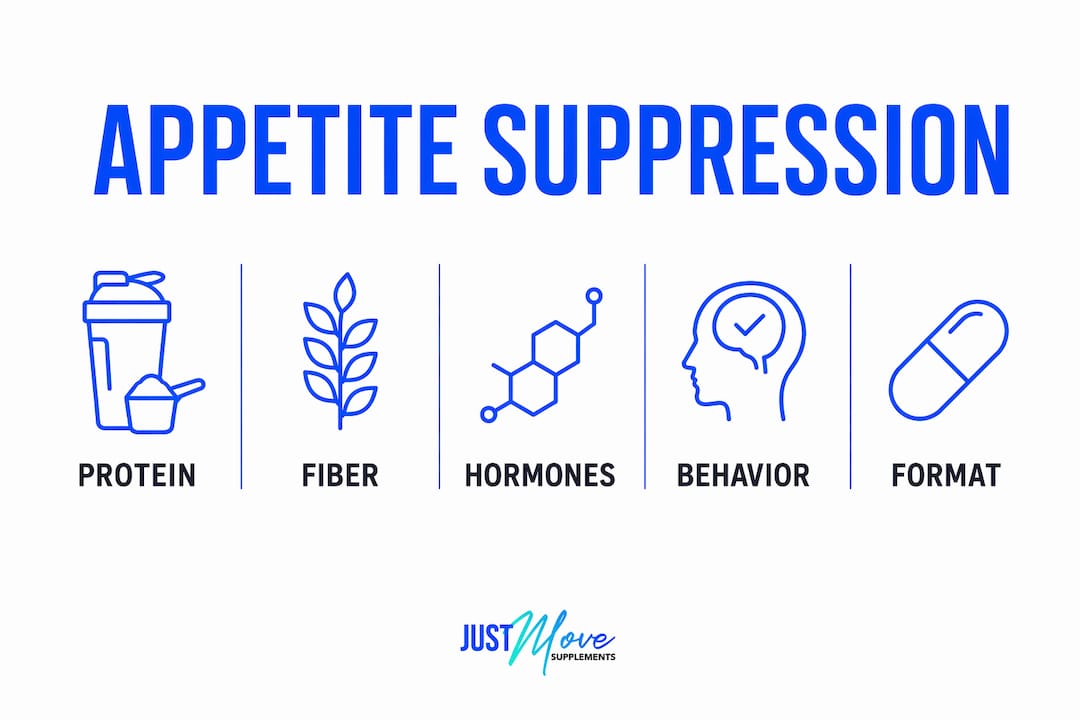
The hunger-suppressing effect of a well-formulated meal replacement is not a marketing claim. It runs through three distinct pathways: macronutrient signaling, hormonal response, and behavioral change.
Macronutrient effects on fullness
Protein is the most satiating macronutrient per calorie. When protein reaches the stomach and small intestine, it stimulates the release of PYY and GLP-1, two gut hormones that signal fullness to the hypothalamus. Protein also carries the highest thermic effect of any macronutrient, meaning your body burns more energy digesting it, which extends the post-meal satiety window. High-protein, low-glycemic formulations specifically blunt ghrelin rises and improve appetite control, and formulation matters more than product category alone.

Fiber adds a mechanical dimension. Soluble fiber forms a gel in the gut that slows gastric emptying and prolongs the feeling of fullness. Insoluble fiber adds bulk. Together, they extend the time food stays in contact with satiety receptors in the gut wall. Fat, particularly in moderate amounts, further slows gastric emptying and moderates the glycemic response, preventing the sharp insulin spike that often precedes a hunger rebound.
Hormonal pathways: ghrelin, PYY, and GLP-1
Ghrelin is produced mainly in the stomach and rises sharply before meals, driving hunger. After eating, a well-formulated meal replacement suppresses ghrelin more effectively than a low-protein, high-sugar alternative. Some nutrition formulas raise PYY and glucagon, strengthening fullness signals and stabilizing blood glucose simultaneously.
GLP-1, released from the small intestine, slows gastric emptying and acts directly on appetite centers in the brain. This is the same pathway targeted by GLP-1 receptor agonist medications, which underscores how meaningful the dietary version of this signal actually is. Insulin dynamics also play a role: a lower-glycemic meal replacement produces a more gradual insulin response, which avoids the reactive hypoglycemia that can trigger hunger within 60–90 minutes of eating.
Behavioral and sensory mechanisms
The behavioral side of appetite suppression is underappreciated. Clinical guidelines note that meal replacements reduce cravings and hunger during calorie restriction partly through stimulus narrowing: replacing variable, high-reward meals with a standardized product removes the environmental food cues that trigger hedonic eating. Neural imaging studies show different brain activation patterns with total diet replacement versus food-based diets, suggesting the effect is real and measurable.

Sensory factors also matter. Chewing triggers oral-phase satiety signals that thin liquids skip entirely. Viscosity affects gastric emptying rate. A thicker shake or a bar takes longer to process than a watery drink, giving gut hormones more time to signal fullness before the next hunger cue arrives.
| Mechanism |
Ingredient/Feature to Look For |
| Ghrelin suppression |
≥20 g protein per serving |
| PYY/GLP-1 release |
Protein + soluble fiber combination |
| Slower gastric emptying |
Soluble fiber (e.g., inulin, psyllium), moderate fat |
| Blood sugar stability |
Low added sugar, low glycemic index |
| Oral satiety signals |
Solid/bar format or thick, viscous shake |
| Behavioral cue reduction |
Standardized portion, scheduled intake |
What does the clinical research actually show?
Liquid vs. solid: the satiety gap
The format of your meal replacement has a direct, measurable effect on how hungry you feel afterward. A randomized crossover trial found that participants consumed roughly 13.4% more food at a subsequent meal after a liquid meal replacement compared to a solid one with the same calorie content. A separate controlled study in older adults confirmed significantly lower hunger AUC and lower postprandial ghrelin and insulin after solid versus liquid formats (p<0.005).
What this means practically: if you consistently feel hungry an hour after your shake, the format itself may be the problem, not the calorie count.
| Measure |
Liquid MR |
Solid MR |
| Postprandial hunger AUC |
Higher |
Lower |
| Subsequent food intake |
~13.4% more |
Reference |
| Ghrelin response |
Higher |
Lower |
| Insulin response |
Higher |
Lower |
| Best use case |
Clinical/VLCD contexts |
Appetite suppression, weight loss |
Adherence and weight outcomes
The Diabetes, Obesity and Metabolism review is the most comprehensive clinical summary available on this topic. It found meal replacement-based LCDs and VLCDs outperform food-based diets in adherence and weight loss across multiple trials, with total diet replacement linked to an average of ~10 kg weight reduction over 12 months. Calorie-restricted diets typically trigger compensatory increases in ghrelin; consistent, protein-rich meal replacements help blunt that response, which is a key reason adherence improves.
The same review highlights that the behavioral benefit of removing food choices is real and measurable. Scheduled, standardized intake reduces cue-driven eating and simplifies the cognitive load of dieting.
Benefits, downsides, and safety: what you need to know
Clear benefits
- Precise portion and calorie control without manual tracking
- Higher protein per calorie than most convenience meals, supporting both satiety and muscle retention
- Fiber content supports digestive regularity and extends fullness
- Convenience reduces the friction that causes people to abandon calorie-controlled eating
-
Mayo Clinic notes that protein shakes can support appetite control and muscle retention when used as part of a structured plan
Common downsides
- Poorly formulated products (low protein, high sugar, minimal fiber) deliver few of the satiety benefits described above
- Exclusive long-term reliance risks missing the micronutrients and phytonutrients found in whole foods
- Certain fibers and sugar alcohols cause gastrointestinal discomfort in some people
- Thin liquid formats produce weaker satiety than solid or thick alternatives for many users
Safety considerations
Meal replacements are medically indicated in VLCD and total diet replacement (TDR) programs, but those contexts require clinical supervision, particularly for people managing diabetes or taking medications that interact with rapid weight loss. Red flags that require a clinician before starting: pregnancy, a history of eating disorders, significant comorbidities, or medications whose dosing depends on body weight or food intake.
Label checklist before you buy:
- Calories per serving (200–400 kcal for a meal replacement)
- Protein: ≥20 g per serving
- Fiber: ≥4 g per serving
- Added sugars: <10 g per serving
- Vitamin and mineral coverage (look for at least 20–30% of daily values for key micronutrients)
- Artificial sweeteners: note any that cause you GI issues
Pro Tip: If you are on diabetes medication or a GLP-1 agonist, consult your clinician before starting a meal replacement program. Rapid calorie reduction can require medication adjustments.
See a professional if you experience persistent hunger despite correct product selection, rapid or unexpected weight change, or any symptoms suggesting malabsorption or an endocrine issue.
How to choose and use meal replacements that actually keep you full
Selection checklist
-
Target ≥20–25 g protein per serving. This is the threshold where amino-acid signaling reliably raises PYY and suppresses ghrelin. Protein’s role in appetite control is well-documented; do not settle for products that list protein fourth or fifth on the ingredient panel.
-
Look for ≥4–6 g fiber. A blend of soluble and insoluble fiber works better than either alone.
-
Keep added sugar relatively low. High sugar drives the glycemic spike-and-crash cycle that undermines the whole point.
-
Include moderate fat (5–10 g). Fat slows gastric emptying and rounds out the macronutrient profile.
-
Match total calories to your plan. A 200–300 kcal replacement suits a VLCD; a 350–400 kcal version works better for a partial replacement within a standard calorie target.
Bars and solid formats generally suppress appetite more effectively than thin shakes, based on the trial data above. That said, powders mixed to a thick consistency close much of the gap. If you prefer shakes, blend with ice and add a tablespoon of nut butter or Greek yogurt to increase viscosity and fat content. For practical guidance on using protein powder as a meal, the texture and volume of your preparation matters as much as the macros on the label.
Timing and pairing tips
- Replace the meal where you are most likely to overeat or make poor choices, not necessarily breakfast by default
- Pair with a large glass of water and a serving of non-starchy vegetables to add volume without significant calories
- If you train in the morning, a protein-rich replacement within 30–60 minutes post-workout leverages the natural appetite suppression that follows intense exercise
- Partial replacement (one or two meals per day) is more sustainable long-term than total replacement for most people
Pro Tip: Use the Just MOVE Protein Sample Variety Pack to test how different flavors and formulations affect your personal satiety response before buying in bulk. Individual responses to protein sources and fiber types vary more than most people expect.
Why you might still feel hungry after a meal replacement
Persistent hunger after a shake is one of the most common reasons people abandon meal replacements. The cause is almost always identifiable.
Common failure modes:
-
Too little protein or fiber. Products with under 15 g protein and under 3 g fiber simply do not trigger the hormonal response needed for meaningful satiety.
-
Too few total calories. Going too low (under 200 kcal) can trigger a rebound hunger response within 60–90 minutes as ghrelin rebounds sharply.
-
Thin liquid format. Fast gastric emptying means gut hormones never get the sustained signal they need.
-
Missing sensory cues. No chewing means no oral-phase satiety. The brain registers this as an incomplete meal for some people.
-
Stress and poor sleep. Both raise ghrelin independently of what you eat. A perfect shake cannot fully compensate for chronically elevated stress hormones.
- Switch to a bar or a thicker, blended shake
- Add a tablespoon of nut butter or a scoop of collagen protein powder to increase protein and fat content
- Increase total volume with low-calorie, high-volume additions: leafy greens, cucumber, or a cup of broth alongside the shake
- Delay the next hunger cue with a large glass of water and 10 minutes of activity
- Audit sleep and stress levels, as both directly modulate ghrelin and leptin
When it is not a product issue
If hunger persists despite adequate protein, fiber, and calories, evaluate sleep quality, stress, current medications (some antidepressants and corticosteroids increase appetite significantly), and exercise volume. Extreme hunger despite adequate calories, rapid unexplained weight changes, or symptoms like bloating and malabsorption warrant a medical review.
Key Takeaways
Meal replacements curb hunger most effectively when they combine ≥20 g protein, ≥4 g fiber, low added sugar, and a solid or thick format that slows gastric emptying and sustains hormonal satiety signals.
| Point |
Details |
| Protein and fiber drive satiety |
Target ≥20 g protein and ≥4 g fiber per serving to reliably suppress ghrelin and raise PYY. |
| Solid formats outperform thin liquids |
Controlled trials show solid MRs produce lower hunger AUC and lower ghrelin than liquid equivalents. |
| Behavioral benefit is real |
Standardized portions remove food cues and reduce reward-driven eating, improving adherence. |
| Persistent hunger has fixable causes |
Low protein, thin liquids, or stress/sleep issues are the most common culprits; each has a direct fix. |
| Justmovesupplements sample pack |
The Just MOVE Protein Sample Variety Pack lets you test satiety across 7 flavors before committing to bulk. |
The honest case for testing before committing
Most people approach meal replacements as a binary: either they work or they do not. The science says something more useful. The appetite-suppressing effect is real and well-documented, but it is also highly individual. Ghrelin responses, gastric emptying rates, and sensitivity to fiber types vary enough between people that a product delivering excellent satiety for one person can leave another hungry within an hour.
The practical implication is that the sample-and-track approach is not just a marketing convenience. It is genuinely the most evidence-aligned way to find what works for your physiology. Justmovesupplements designs its protein products with this in mind: varied flavors, tested formulations, and a sample pack structure that makes personal experimentation low-risk and low-cost.
Meal replacements are a tool, not a complete diet. Clinical uses, particularly VLCDs and total diet replacement programs, require supervision. For most people, one or two replacements per day within a balanced eating plan is where the evidence is strongest and the risks are lowest. Track your hunger levels for the first two weeks, adjust format and timing based on what you observe, and treat the data you collect as more reliable than any general recommendation, including this one.
Justmovesupplements products worth trying for appetite control
If the science above has you ready to test a high-protein option, Justmovesupplements offers two products that align directly with the selection criteria covered here.
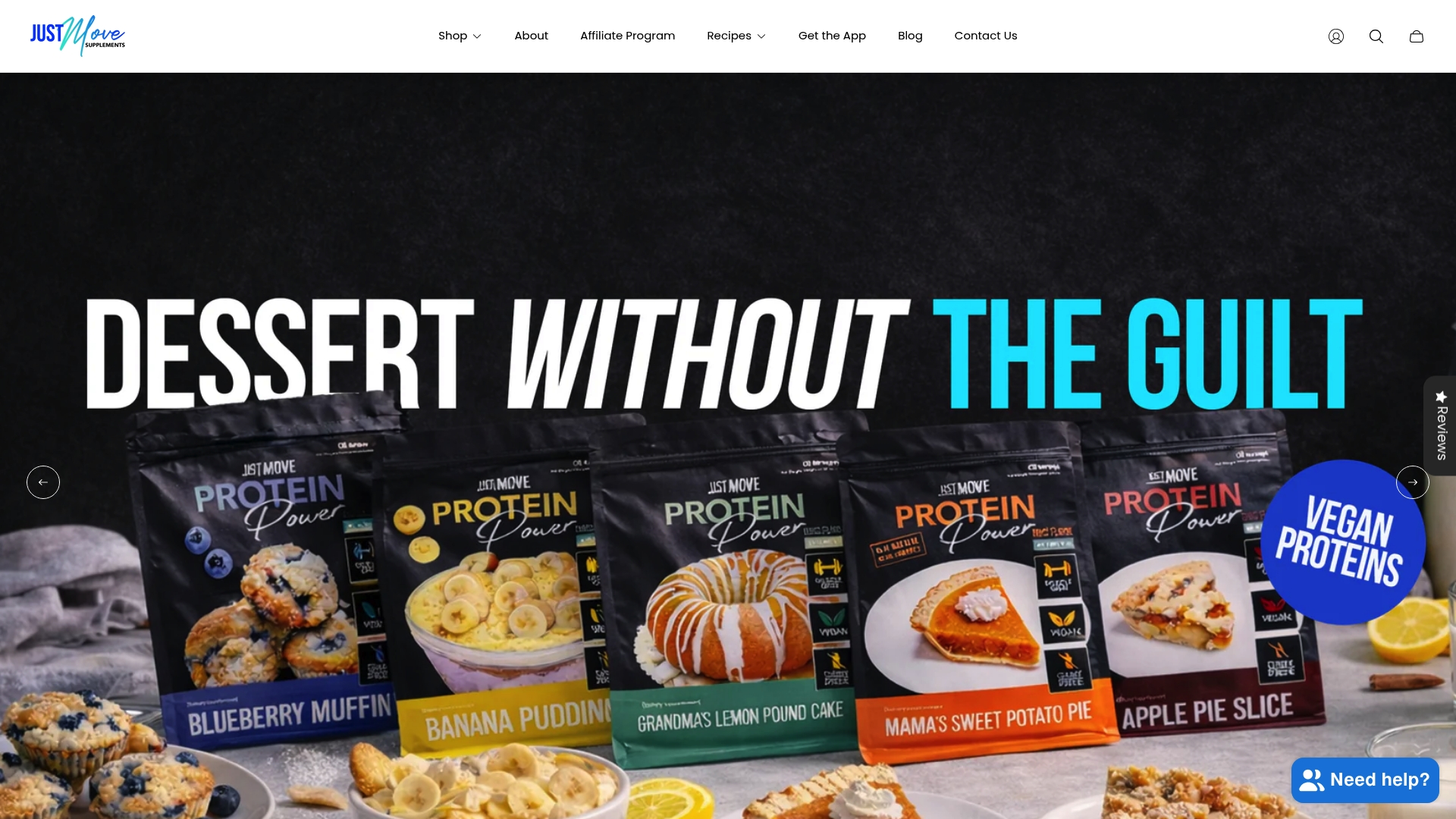
The Just MOVE Protein Sample Variety Pack gives you seven flavors in sample sizes, so you can measure your personal satiety response across different formulations before buying a full tub. Each serving is protein-dense, designed for people who want real appetite support, not just a flavored drink. For readers who want to explore the full range of protein samples, the collection page is a good starting point.
The Just Shred Green Apple Fat Burner is a complementary option for those combining appetite management with a metabolic support goal. As with any stimulant-containing product, consult your clinician first if you have cardiovascular concerns, are on medication, or are managing a metabolic condition.
Start with the sample pack, track your hunger for two weeks, and adjust from there. That is the most practical, evidence-aligned first step you can take.
Useful sources and further reading
-
Diabetes, Obesity and Metabolism — LCD/VLCD clinical review: The most comprehensive narrative review of meal replacement use in low-calorie and very-low-calorie diets; covers adherence, weight outcomes, and hormonal mechanisms.
-
PMC — Liquid vs. solid meal replacement crossover trial: Controlled trial data on postprandial hunger AUC and subsequent food intake differences between formats.
-
PubMed — Solid vs. liquid hormone study: Randomized trial measuring ghrelin, insulin, and hunger AUC differences between solid and liquid meal replacements in older adults.
-
Nature — Satiety-regulating hormones review: Foundational review of PYY, GLP-1, and glucagon mechanisms; useful for understanding how formulations influence hormonal satiety.
-
MDPI Nutrients — Protein and appetite regulation: Research on high-protein, low-glycemic formulations and their effect on ghrelin suppression and appetite control.
-
Mayo Clinic — Protein shakes FAQ: Practical clinical guidance on protein shakes for appetite control, muscle retention, and long-term nutritional adequacy.
-
WebMD — Meal replacement shakes overview: Accessible summary of calorie, protein, and fiber benchmarks for evaluating meal replacement labels.
-
Wiley full review — MR and stimulus narrowing: Extended clinical review covering behavioral mechanisms, neural imaging findings, and guideline recommendations for meal replacement use.
Recommended


