Mix 6 to 8 ounces of cold milk with one scoop of protein powder, shake or froth it smooth, then pour over ice and top with a shot of espresso or strong coffee. For a hot version, blend the protein powder into warm milk before adding your coffee. Either way, expect a range of protein per serving depending on your milk and scoop size. Iced is the easier route, mainly because mixing protein into cold milk first keeps things clump-free.
TL;DR:
Using cold milk to mix protein powder prevents clumping and ensures a smooth texture in iced protein coffee, unlike hot preparations which cause clumping.
Dairy-based milks, especially those fortified with protein, yield the highest protein content, reaching over 30 grams per serving, while plant-based milks vary in protein levels.
The preferred protein powders are whey isolates or concentrates for smoothness, whereas plant-based options may require blending or mixing with dairy-based proteins to avoid graininess.
Avoid pouring protein powder directly into hot coffee to prevent clumping; always blend or stir powder into milk first before combining with hot or cold coffee.
Flavored protein powders, like salted caramel or chocolate cake, enhance taste without additional sugar and pair well with specific milk types and temperature methods.
Justmovesupplements
Find Your Next Protein Flavor
Explore varied protein options crafted for taste and effectiveness, including a sample pack to try multiple flavors before choosing.
Protein Coffee Recipe: Ingredients and Step-by-Step Instructions
This is the core proffee formula. Once you have it down, every variation below is just a swap.
Ingredients (makes 1 serving):
1 shot espresso or 1/2 cup strong brewed coffee, cooled slightly
6 to 8 oz milk of choice (dairy, soy, oat, or a protein-fortified milk)
1 scoop protein powder (25 to 30 g)
Ice, for the iced version
Optional: cinnamon, cocoa powder, or a splash of vanilla extract
Equipment: a shaker bottle, handheld frother, or blender. Any one of these works. The right pick just depends on whether you’re going hot or iced.
For the iced method:
Add the protein powder and cold milk to a shaker bottle or use a handheld frother.
Shake or froth for 20 to 30 seconds, until fully smooth with no dry powder clinging to the sides.
Pour the mixture over a full glass of ice.
Top with your espresso shot or cold brew and stir once.
For the hot method:
Warm your milk gently, but don’t let it boil.
Add the protein powder to the warm milk and blend or froth until dissolved. A blender gives you the smoothest result here, since heat makes clumping more likely than in the iced version.
Let your coffee cool for a minute or two off the heat, then pour it into the protein milk and stir.
The single biggest mistake people make is dumping protein powder straight into hot coffee. It clumps almost instantly and can leave a chalky layer at the bottom of the mug. Mix protein with milk first, always, whether you’re building this hot or cold.
Flavor and Dietary Variations Worth Trying
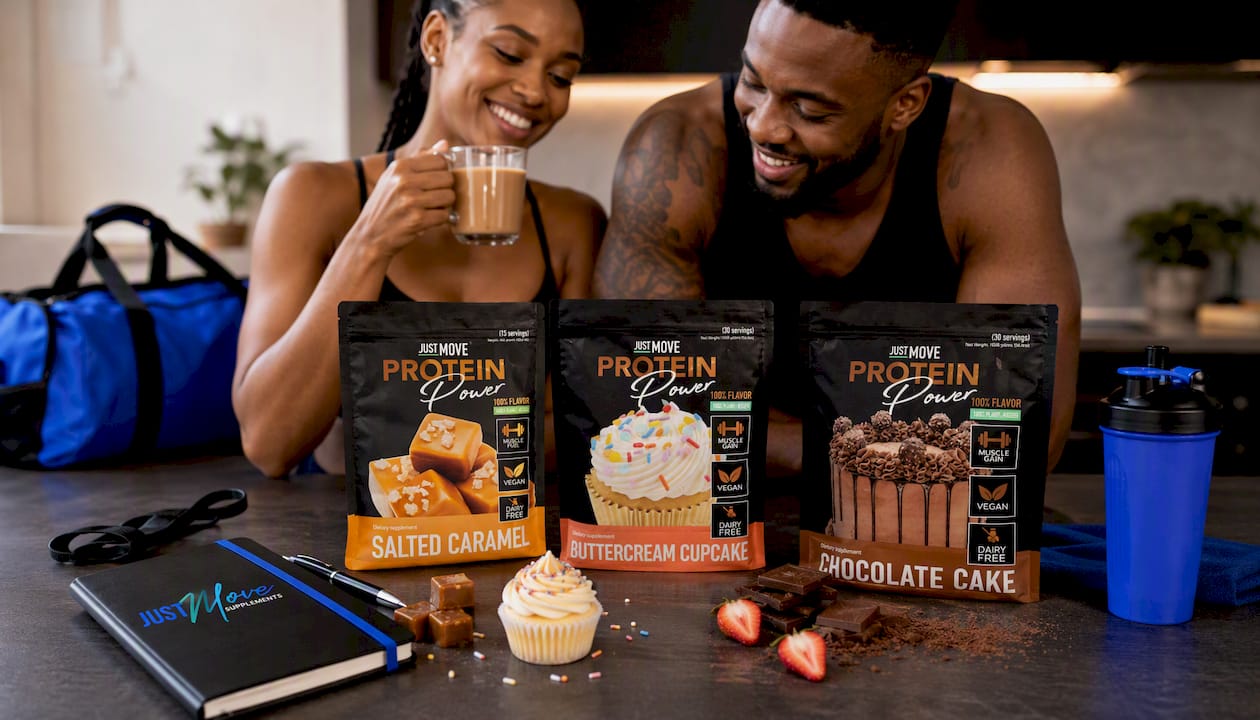
Once you’ve nailed the base recipe, flavored protein powders let you build latte-style drinks without a single pump of syrup. A scoop of Salted Caramel Protein turns your basic iced proffee into something close to a salted caramel latte, no extra sugar needed. Chocolate Cake flavor leans into mocha territory, and a Buttercream Cupcake scoop gives you a dessert-style vanilla drink that tastes indulgent while still delivering real protein.
Dairy-free swaps change more than just taste. Here’s what to expect:
Oat milk adds natural creaminess and blends well with both hot and cold methods.
Soy milk brings its own protein to the table, stacking on top of your scoop.
Almond milk is the lightest option in calories, but it’s also the lowest in protein, so you may want a slightly bigger scoop or a protein-fortified milk if you’re leaning on almond.
For garnish, a dusting of cinnamon or cocoa powder adds flavor with zero sugar. A spoonful of peanut butter powder does double duty, adding a nutty taste and a small protein bump at the same time, a trick echoed across several proffee recipes.
Which Protein Powder and Milk Give the Best Texture?
Whey isolate or whey concentrate blends the smoothest, which is why most proffee recipes default to it. Plant-based proteins, especially pea or rice blends, tend to come out grainier. If you’re working with a plant protein and it feels chalky, cut it 50/50 with a neutral whey isolate if you tolerate dairy, or run it through a high-speed blender with a bit more liquid to smooth it out.
Milk choice affects your protein count almost as much as the powder does:
Whole or 2% dairy milk: moderate protein, rich mouthfeel
Skim milk: similar protein to 2%, lighter texture
Soy milk: comparable protein to dairy, plant-based
Oat milk: creamy but lower in protein than dairy or soy
Protein-fortified milks (like ultra-filtered options): the highest protein boost per cup, and often what pushes a serving toward the 30-plus gram range
As for the publisher’s own flavors: Salted Caramel pairs best with cold brew and a little cinnamon on top. Chocolate Cake works well hot, since warming brings out the cocoa notes. Buttercream Cupcake shines in an iced version with oat milk, where the sweetness balances the coffee’s bitterness instead of getting lost in it.
Pro Tip:If you’re using a plant protein and still getting grit after blending, let the mixture rest in the fridge for 10 minutes before drinking. Some plant proteins hydrate slowly, and a short rest smooths out texture that a blender alone can’t fully fix.
How Do You Stop Protein Coffee From Clumping?
Clumps almost always come down to order of operations and temperature. Fix both, and you fix the problem.
Always combine protein powder with milk first, cold if possible, before coffee ever enters the picture.
Skip pouring protein powder into hot coffee directly. The heat causes the protein to seize up and clump rather than dissolve, which is why blending warm milk with the powder first works so much better.
Match your tool to your method: a shaker bottle or handheld frother handles iced drinks fine, while a blender gives hot versions the smoothest result.
For make-ahead batches, mix your protein and milk up to 24 hours in advance and store it in the refrigerator. Give it a good shake before adding coffee, since separation is normal after sitting.
How Much Protein and How Many Calories Per Serving?
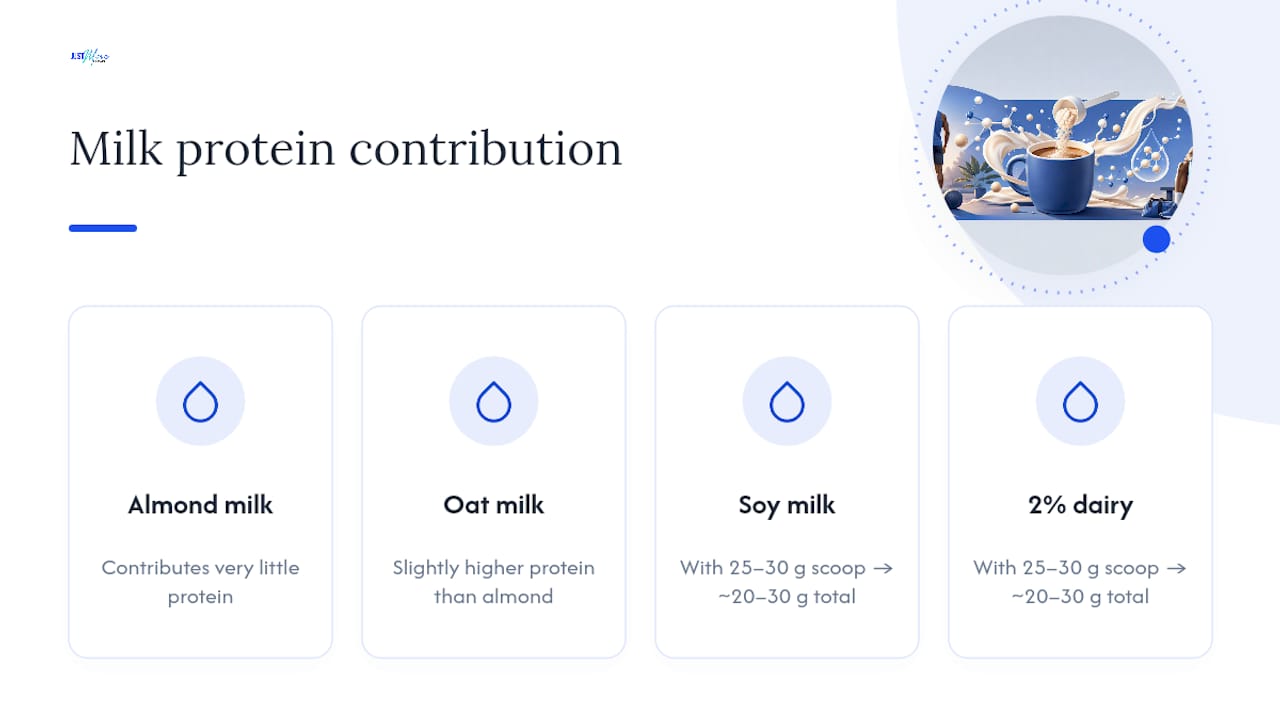
Your protein count swings a lot based on milk. Almond milk paired with a standard scoop lands on the lower end, since almond milk itself contributes very little protein. Oat milk does slightly better. Soy milk or 2% dairy, paired with a 25 to 30 gram scoop, is where you land in the 20 to 30 gram range that most proffee recipes aim for.
Flavored powders and any added sweetener will nudge your calorie and sugar counts up slightly, though usually by less than a flavored syrup would.
Where this drink fits in your day: recipe data across several proffee guides shows a single serving can cover roughly 20 to 35% of a typical adult’s daily protein target, depending on scoop size and milk. That makes it solid as a post-workout protein boost or a fast breakfast stand-in. If you need more staying power, pair it with a small whole-food snack rather than relying on the drink alone to carry you through a long morning.
Why Justmovesupplements Knows Protein Coffee
Some brands build their name on flavor variety, and protein coffee is exactly where that pays off. A protein powder with flavors like salted caramel, buttercream cupcake, or chocolate cake doesn’t need extra syrup or sugar to turn a plain proffee into something worth drinking every morning. Flavor variety is often why some brands’ flavor lineups keep showing up in positive customer reviews.
Sample packs can help customers test a few scoops first and see which one blends smoothest with their usual milk before committing to a full tub. Recipe development can be built around real flavor pairings, tested combinations, and a genuine understanding of what makes a protein drink taste good instead of just functional.
When Protein Coffee Works, and When It Doesn’t
Protein coffee earns its place in a rotation when you need something fast, especially right after a workout or on a morning with no time to cook. Paired with a piece of fruit or a spoonful of nut butter, it becomes a fuller, more satisfying mini-meal instead of just a caffeine hit with extra protein tacked on.
Where it falls short is as a long-term stand-in for real meals. A shake, even a good one, can’t deliver the fiber, micronutrients, and variety that whole food provides. Treat it as a smart shortcut on busy days, not a permanent substitute for breakfast or lunch.
— Just
Try the Flavors That Make Protein Coffee Worth Drinking
Flavor is what turns a protein coffee from a chore into something you actually look forward to, and that’s exactly where Justmovesupplements has an edge over plain, unflavored tubs. Salted Caramel Protein gives your iced proffee a caramel latte flavor without a drop of syrup. Buttercream Cupcake Protein turns a simple hot version into a dessert-style treat that still delivers real protein. Chocolate Cake Protein leans into mocha territory for anyone who wants their morning coffee to taste like a treat.
If you’re not sure which flavor fits your coffee routine best, start with a protein sample pack so you can test a few before committing to a full size. Once you find your favorite, the Buttercream Cupcake Protein and Chocolate Cake Protein pages have full nutrition details and ordering options ready whenever you are.
Sources
This recipe drew on measurement and technique guidance from The Real Food Dietitians, Mae’s Menu, Clean & Delicious, and Basics With Bails, plus pairing ideas from Wild Foodz.
You can, but it clumps easily in hot coffee. Mix the powder with milk first, cold for iced drinks or warmed and blended for hot ones, then combine with your coffee.
Is protein coffee actually healthy?
It’s a reasonable way to add protein to your morning, especially post-workout, though it shouldn’t replace whole-food meals long term since it lacks the fiber and micronutrients a full meal provides.
How much protein powder should I add to a cup of coffee?
One standard scoop, usually 25 to 30 grams, is the typical amount used in most proffee recipes, and it’s what gets you into the 22 to 38 gram protein range per serving.
Is protein coffee good for losing weight?
It can support weight goals by keeping you full and curbing cravings, since protein is more satiating than sugar or plain coffee alone, but the drink still needs to fit within your overall calorie needs to make a real difference.
Find the right pre workout timing: 30 to 60 minutes for caffeine, 2 to 3 hours for nitrates. Use the three session test (20, 40, 60 minutes) to find your...
Consuming this product can expose you to chemicals including
Lead, which is known to the State of California
to cause cancer and birth defects or other reproductive harm.