Vanilla protein earns its place as the everyday workhorse: it blends into smoothies, oats, coffee, and baking without fighting other flavors. Chocolate protein shines when you want a dessert-style shake or need something to satisfy a sweet craving after a hard session. Nutrition rarely swings the decision within the same product line, so your real job is checking the sugar and sweetener list before you buy.
TL;DR:
- Chocolate protein typically contains more sugar and cocoa polyphenols, offering a richer flavor and slight nutritional benefits, especially for post-workout recovery.
- Vanilla protein blends more seamlessly with fruits, vegetables, and coffee, making it more versatile for breakfast, baking, or neutral mixing.
- Texture differences arise from cocoa particle density, with chocolate often feeling creamier and requiring extra shaking or blending for best consistency.
- Checking protein content, sugar levels, and ingredient quality is more important than flavor choice, with sample packs recommended to find the best fit.
- Rotating between chocolate and vanilla based on training intensity and meal type helps avoid flavor fatigue and maximizes meal and recovery versatility.
Justmovesupplements
Find Your Protein Flavor Match
Explore varied protein flavors and supplements from Just Move Supplements, including a sample pack for trying options before choosing.
Table of Contents
Chocolate vs Vanilla Protein Taste: Flavor Profiles and Pairings
Chocolate protein is cocoa-forward with a richer, heavier mouthfeel, and that density comes largely from the cocoa solids themselves. It plays well with bold, fatty companions like banana, peanut or almond butter, and whole milk, which is why so many “milkshake” style recipes default to chocolate. Cocoa also brings phenolic antioxidants and flavonoids that reviews have linked to vascular and metabolic benefits in moderate amounts, so you get a flavor payoff and a small nutritional one at once, according to research on cocoa and human health.
Vanilla protein sits at the opposite end. It reads as neutral and sweet-leaning rather than assertive, which is exactly why it disappears into other ingredients instead of competing with them.
Here’s how the two typically perform by use case:
-
Smoothies: Vanilla blends cleanly with berries, spinach, or kale without turning the color muddy or fighting the fruit; chocolate works best paired with banana and nut butter for a milkshake effect.
-
Breakfast bowls: Vanilla mixes into oats, yogurt, or overnight chia without an overpowering cocoa note.
-
Dessert-style shakes: Chocolate wins here, especially blended with ice and a splash of milk for something closer to a treat than a supplement.
-
Coffee: Vanilla complements espresso and cold brew far more naturally than cocoa does.
If you want a broader sense of how flavor choice shapes real recipes, Consumer Reports tested a range of chocolate and vanilla protein powders and found meaningful differences in taste and formulation worth factoring into your decision.
What Nutrition Differences Actually Matter Between Flavors?
Protein grams per scoop usually stay consistent across flavors within the same product line. Where things diverge is calories, added sugar, and the ingredients used to create that flavor in the first place.
Chocolate versions often carry a slightly higher sugar count to balance out cocoa’s natural bitterness, while vanilla can lean on either real vanilla extract or a cheaper artificial vanillin. Watch for these flavor-specific additions on the label:
-
Cocoa or cocoa polyphenols in chocolate blends, which trials suggest can moderate glucose response and support satiety when paired with whey, per research on cocoa and whey protein.
-
Vanilla extract versus artificial vanillin, since natural extract usually means a cleaner ingredient list.
-
Sugar, sugar alcohols, or stevia, all used differently depending on flavor and brand.
-
Emulsifiers like lecithin, added more often to chocolate formulas to keep cocoa particles from settling.
Before you buy, run through this quick checklist:
-
Protein per serving (grams, not just the scoop size).
- Sugar per serving, including any sugar alcohols hiding in the “carbohydrate” line.
- Type of protein (whey isolate, concentrate, casein, or a plant blend).
- Added fibers or fillers that bulk up the scoop without adding protein.
- Allergen notes, especially for dairy, soy, or tree nut cross-contact.
A low-sugar protein supplement guide walks through exactly how to compare these numbers side by side.
Why Does Chocolate Feel Thicker Than Vanilla?
Cocoa particles are denser and absorb liquid differently than a vanilla base, which is why chocolate protein often feels creamier while a poorly formulated vanilla can taste thin or slightly chalky depending on which sweetener it uses.
Getting the right texture usually comes down to method, not the powder itself:
-
Shaker bottle: Fine for both flavors, but chocolate benefits from an extra 10 to 15 seconds of shaking to break up cocoa clumps.
-
Blender: Best for chocolate shakes with banana or nut butter, since blending distributes fat and cocoa evenly.
-
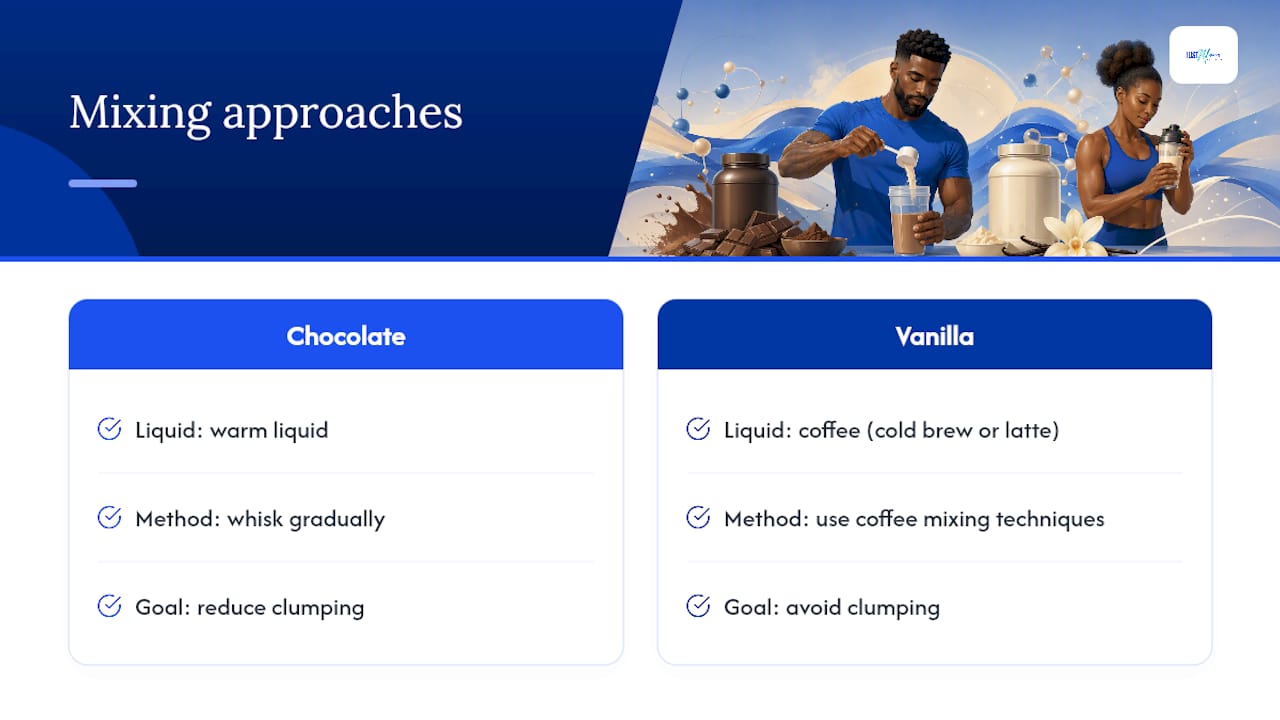
Hot liquids: Add chocolate protein to warm (not boiling) milk or coffee gradually, whisking as you pour, to prevent the cocoa from seizing into clumps.
Pro Tip: If a vanilla shake tastes watery, cut the liquid by two to three tablespoons and add a handful of ice instead. If chocolate feels too heavy, thin it with unsweetened almond milk rather than water so you don’t lose flavor along with texture.
Best Uses by Goal: Recovery, Meal Replacement, and Baking
Chocolate earns its reputation as the recovery flavor, and there’s real evidence behind that reputation. Chocolate-flavored dairy drinks can help replenish electrolytes after long-duration exercise, though the added sugar in many formulas can chip away at the net benefit. Cleveland Clinic notes that chocolate milk’s carbohydrate-to-protein ratio makes it a convenient post-workout option, but the sugar line still needs a look before you rely on it daily.
Try these by goal:
-
Post-workout recovery: Chocolate protein blended with banana and a spoonful of peanut butter after a long or high-intensity session.
-
Quick dessert-style shake: Chocolate protein, ice, and a splash of milk when a craving hits.
-
Daily meal replacement: Vanilla protein blended with berries and spinach for a neutral, nutrient-dense base.
-
Baking and batch cooking: Vanilla stirred into protein oatmeal or baked into pancakes, where it won’t clash with cinnamon, fruit, or maple.
-
Coffee-protein blend: Vanilla mixed into cold brew for an easy afternoon pick-me-up.
Save chocolate for heavier training days and lean on vanilla for the meals you repeat most often.
How to Choose Between Chocolate and Vanilla Protein
Run through this short decision flow before you commit to a tub:
-
Identify your main use case first. Are you replacing meals, baking, or drinking a recovery shake after training?
-
Check protein and sugar per serving. Look for at least 20 to 25 grams of protein and be wary of anything past 10 to 12 grams of added sugar per scoop.
-
Scan the sweetener and ingredient list. Shorter lists with recognizable ingredients (real cocoa, real vanilla extract, stevia) usually beat long lists of artificial fillers.
-
Watch for sugar alcohols like erythritol or maltitol if you’re sensitive to digestive upset, since these show up more often in “low sugar” chocolate formulas.
-
When unsure, buy a sample pack instead of a full tub. It’s the cheapest way to confirm you like the texture and taste before spending on a size you might not finish.
Rotating flavors also keeps you from hitting flavor fatigue, which is one of the quiet reasons half-finished tubs end up in the back of a cabinet.
Just Move Supplements: Sample Packs, Recipes, and Mixing Tips
Testing both flavors before buying a full-size tub is the simplest way to avoid wasted money on a flavor you end up not finishing. Just Move Supplements’ flavor sample pack lets you try chocolate and vanilla side by side under real conditions, in your own kitchen, before committing to either one.
For texture, the brand’s mixing guide recommends whisking chocolate-style blends into warm liquid gradually rather than dumping the scoop in all at once, which is the fastest way to avoid clumping in a hot chocolate protein drink. If coffee is your go-to vanilla vehicle, the brand’s coffee mixing techniques cover how to avoid the same clumping problem in a cold brew or latte.
A Simple Habit for Rotating Flavors
Chocolate on heavy training days, vanilla for breakfasts and baking. Grab a small sample size of each before buying a full tub, and you’ll never end up stuck with a flavor you regret.
— Just
Try Both Flavors Risk-Free With a Sample Pack
A sample pack can provide a lower-risk way to settle the chocolate versus vanilla question instead of gambling on a full-size tub you might not finish. The sample pack lets you test real serving sizes of both flavors, side by side, in your own kitchen, before you commit to a bigger purchase.
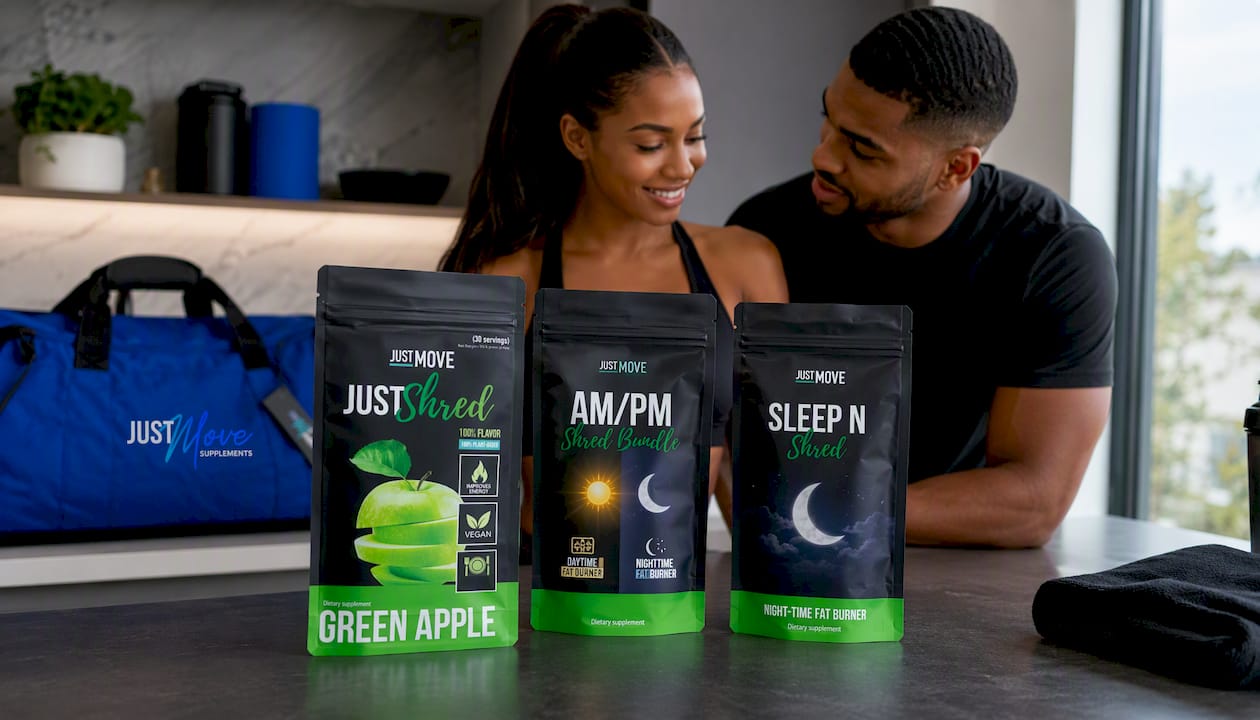
That’s the whole point of the approach: taste and texture before spending. Once you know which flavor fits your routine, the collections page covers full-size proteins, energy blends, and fat burners like the Green Apple Fat Burner, the AM/PM Shred Bundle, and the Sleep N Shred night-time formula if recovery and fat loss are also on your radar. If you’re craving more dessert-style recipe ideas in the meantime, the Butterfinger protein shake recipe is worth trying with your chocolate sample. Grab a sample pack today and find your flavor before you buy the tub.
Sources
The chocolate versus vanilla comparisons in this article draw on a mix of clinical and testing sources. Cocoa and whey protein research examines how cocoa polyphenols interact with whey to affect glucose and satiety markers. Cleveland Clinic’s review of chocolate milk covers its role as a post-workout recovery drink. Consumer Reports’ product testing compares taste and formulation across chocolate and vanilla powders on the market.
FAQ
Which Is Healthier, Vanilla or Chocolate Protein?
Neither flavor is inherently healthier. Protein content usually matches within the same product line, so the real difference comes down to added sugar and sweetener choice on the label rather than the flavor itself.
Why Do Some People Say No to Protein Powder?
Concerns usually center on added sugars, artificial sweeteners, or fillers in lower-quality formulas rather than protein powder as a category, which is exactly why checking the ingredient list matters more than the flavor name.
Which Flavor of Protein Is Best?
There’s no single best flavor. Vanilla tends to win for versatility across smoothies, baking, and coffee, while chocolate tends to win for dessert-style shakes and post-workout recovery drinks.
What Is the Best Protein Powder Overall?
The best protein powder is the one whose label checks out on protein per serving, low added sugar, and a short, recognizable ingredient list, whether that’s a chocolate or vanilla formula. A sample pack from Justmovesupplements is a low-risk way to compare both before buying a full tub.
Can I Mix Chocolate and Vanilla Protein Together?
Yes. Blending small amounts of each lets you customize sweetness and richness while keeping an eye on total added sugar and calories in the final shake.
Recommended


