The easiest way to make protein hot chocolate is to heat milk until steaming, never boiling, then whisk your protein powder into a small room-temperature slurry before combining the two. This single step prevents the clumping and grainy texture that ruins most homemade attempts. Depending on your milk and scoop size, you’ll land somewhere between 15 and 30 grams of protein per mug.
TL;DR:
- Using a room-temperature slurry of protein powder with a few tablespoons of cool water prevents clumping when added to steaming milk, ensuring a smooth texture.
- Choosing the right milk type significantly impacts protein levels, with dairy and soy milk providing the most natural protein, while almond and oat milk offer less.
- Heating milk to just steaming (around 175°F) before whisking in the slurry prevents protein denaturation and graininess caused by high heat or boiling.
- Whey isolate dissolves most easily, but unflavored powders or collagen work well if properly mixed, while Dutch-processed cocoa offers a smoother flavor balance.
- Making a dry mix in advance allows quick preparation; just whisk a scoop with cool milk to form a slurry before adding hot milk, and consume within two to three weeks.
Table of Contents
What Goes Into a Protein Hot Chocolate
A single mug of protein hot chocolate comes down to three core ingredients: milk, cocoa powder, and protein powder. For one serving, you’re working with roughly 1 cup (240 ml) of milk, 1 to 2 tablespoons of unsweetened cocoa powder, and one scoop (about 25 to 30 grams) of protein powder. That base formula is what powers a homemade recipe reporting about 17 grams of protein per serving, and it scales up fast once you start adjusting the milk and scoop count.
Your milk choice changes more than the calorie count. Whole milk and 2% both bring extra protein to the table on their own, while almond milk adds almost none, and oat milk sits somewhere in between depending on the brand. Milk selection alone can shift total protein by a few grams per serving depending on the type., which matters if you’re trying to hit a specific number without adding a second scoop of powder.
Here’s how the common swaps stack up:
-
Whole or 2% dairy milk: adds the most natural protein and the richest mouthfeel, best for a dessert-style cup.
-
Soy milk: the closest plant-based match to dairy for protein content, usually 7 to 8 grams per cup on its own.
-
Oat milk: creamy texture that blends well with protein powder, but lower in protein than soy or dairy.
-
Almond milk: lowest in calories and protein, works best when you’re relying on the powder for your protein target.
-
Unflavored protein or collagen: lets the cocoa flavor lead, useful if you already have a sweetened powder elsewhere in your routine.
-
Sugar-free sweeteners like stevia or monk fruit: keep the drink low-calorie without masking the chocolate.
Equipment stays simple. You need a whisk, a small saucepan, and a mug. A milk frother speeds up the mixing step, a blender helps if you’re making a thicker or dairy-free version, and a thermometer is optional but useful if you want to hit an exact temperature every time.
How Do You Make Protein Hot Chocolate on the Stove or in the Microwave?
Pick your method based on how much time you have and how creamy you want the result. Both approaches rely on the same core principle: never introduce protein powder directly into boiling liquid.
Stovetop method (single serving):
- Pour 1 cup of milk into a small saucepan and heat over medium low.
- In a separate mug, whisk one scoop of protein powder with 2 to 3 tablespoons of the cold milk (pulled aside before heating) until it forms a smooth, lump-free slurry.
- Watch the saucepan until the milk reaches a steaming point, around 175°F (80°C), with light steam rising but no bubbles breaking the surface.
- Remove from heat and slowly whisk in the protein slurry along with 1 to 2 tablespoons of cocoa powder and your sweetener of choice.
- For a thicker, cafe-style texture, stir in a small cornstarch slurry (1 teaspoon cornstarch mixed with 1 tablespoon cold water) before the final whisk.
Microwave method (single serving):
- Combine milk, cocoa powder, and sweetener in a large microwave-safe mug.
- Heat in 30-second bursts, stirring after every interval to distribute heat evenly and prevent overflow.
- Once the mixture is hot but not boiling, usually after two or three intervals, remove and whisk in your protein slurry.
- Give it one final vigorous stir to smooth out any remaining texture before drinking.
Both methods land you close to the 28 grams of protein per serving that a solid whey-and-milk combination delivers, and neither takes more than 10 minutes start to finish.
High-protein variant: if you want a bigger number, add a second scoop of protein powder or stir in 2 tablespoons of plain Greek yogurt after heating. This pushes many recipes toward 35 to 40 grams of protein per mug, with the yogurt also adding a slight tang that plays well against dark cocoa.
Dairy-free variant: swap in a pea or soy protein powder and use oat milk as your base. Plant proteins can behave differently in hot liquid, sometimes settling or thickening unevenly, so:
- Blend the oat milk and protein slurry together for 10 seconds before heating to fully hydrate the powder.
- Add an extra tablespoon of oat milk if the texture feels too thick after heating.
- Use a full-fat oat milk variety for a creamier finish, since low-fat versions can separate more easily.
How Do You Choose and Mix Protein Powder Without Clumps?
Not every protein powder behaves the same way in a hot mug, and picking the wrong one is the most common reason people give up on this recipe. Whey protein isolate dissolves fastest and pairs cleanly with cocoa, making it the most forgiving option for beginners. Casein is thicker and creamier by nature, which some people prefer for a dessert-style drink, but it can turn gluey if you overheat it. Pea and soy proteins work well for dairy-free versions but tend to need a bit more liquid to avoid a pasty finish. Collagen dissolves cleanly and adds almost no flavor, so it’s a solid pick if you’re already using a flavored cocoa base and just want the protein boost. Unflavored powders of any type give you the most control over sweetness and cocoa intensity.
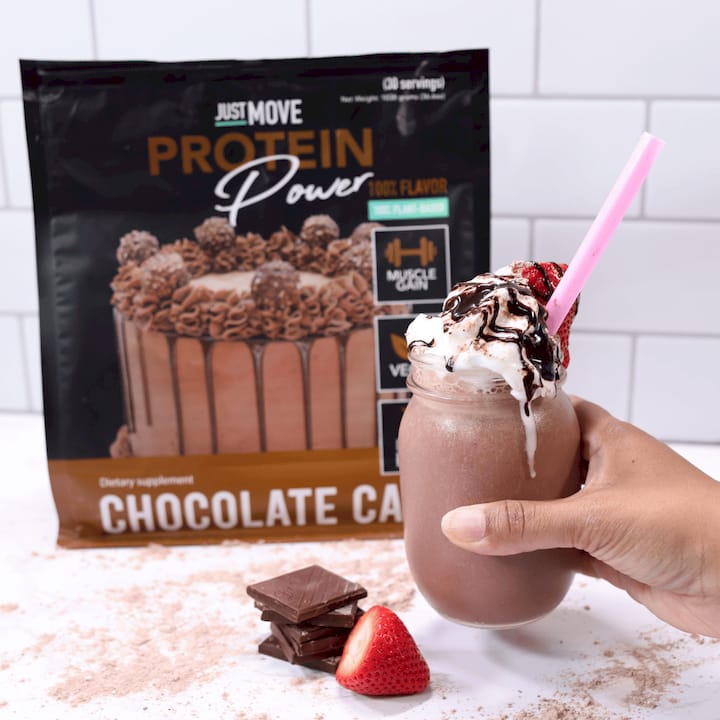
Cocoa type matters more than most people expect. Dutch-processed cocoa is treated to reduce acidity, which gives it a deeper, smoother chocolate flavor that balances the slightly bitter edge some protein powders carry. Natural cocoa powder is more acidic and fruitier, which can clash with certain plant-based proteins.
The mixing technique is where most of the failure happens, and it’s simpler than it looks:
- Always build a room-temperature slurry first: mix your scoop of powder with a few tablespoons of cool or lukewarm liquid until completely smooth.
- Add that slurry gradually into your warm (not boiling) milk on low heat, whisking the entire time.
- Never dump powder directly into scalding milk. It seizes and clumps almost instantly.
- Avoid boiling altogether. High heat can affect whey’s texture and lead to a grainy, curdled result, an important point covered in more depth in this breakdown of how heat affects protein powder.
- Don’t over-blend whey in a high-speed blender. Excess air incorporation can create a foamy layer that separates as it cools.
Pro Tip: If you’re short on time, mix the slurry directly in the mug you’ll drink from. One less dish, and you can eyeball the consistency before it ever touches the stove.
If you’re new to mixing protein powders into liquids without a blender on hand, this guide to making a protein shake without one covers hand-whisking tricks that carry over well to hot drinks.
What Are the Macros in a Typical Protein Hot Chocolate?
Three common builds cover most of what people actually make, and the differences come down to milk choice and scoop count.
-
Skim milk + one scoop whey: roughly 180 to 220 calories, 20 to 25 grams of protein, 15 to 20 grams of carbs, depending on sweetener and cocoa amount.
-
Almond milk + one scoop whey: closer to 130 to 160 calories, 20 to 24 grams of protein, and fewer carbs since almond milk contributes less sugar than dairy.
-
Whole milk + double scoop: the richest option, often 300 to 350 calories and 35 to 40 grams of protein, best treated as a meal-adjacent drink rather than a light snack.
Stirring in 2 tablespoons of plain Greek yogurt adds another 4 to 6 grams of protein and a small amount of calcium, while also thickening the texture without needing a stabilizer. Extra milk, by contrast, dilutes protein concentration slightly per ounce but stretches the drink into a bigger, more filling mug, useful if you’re pairing it with a smaller meal.
A single-scoop skim milk version at 17 grams of protein per serving sits comfortably as an afternoon snack, while the double-scoop whole milk build works better as a genuine post-workout recovery shake or a filling evening treat when you’re not planning to eat again before bed.
Think about timing before you build your cup. A lighter, almond-milk version pairs well with fruit or a small handful of nuts as a between-meal snack. The higher-protein, whole-milk version stands on its own after a workout, when your body is primed to use that protein for recovery rather than just as a nutritious meal replacement.
Why Does Protein Hot Chocolate Turn Grainy?
Graininess almost always traces back to one of three causes: the powder was added straight into liquid that was too hot, the mixture was allowed to boil, or the protein formulation itself doesn’t dissolve well in liquid without agitation. Whey proteins are especially sensitive to high heat, which can cause the protein structure to tighten up and clump rather than dissolve smoothly.
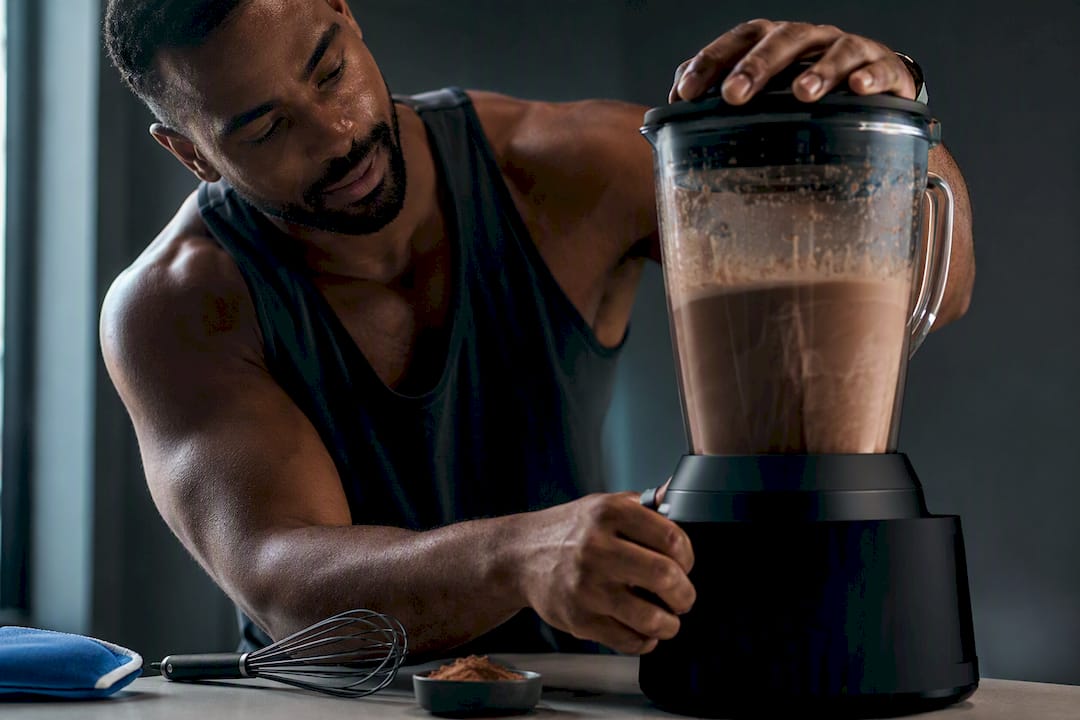
If your cup already turned out grainy, you have a few rescue options. Pour the whole mixture into a blender and pulse for a few seconds. It often smooths out far better than a whisk alone can manage. A tiny pinch of xanthan gum, less than an eighth of a teaspoon, can dramatically improve mouthfeel if you’re making this regularly and want a more reliable fix. A small cornstarch slurry works too, and it’s the same trick that gives some recipes their glossy, cafe-style finish.
Pro Tip: If you’re storing leftovers, expect some separation in the fridge. Reheat gently on low, whisking constantly, and skip the microwave for reheats since it heats unevenly and tends to reactivate the graininess. For a deeper look at what causes texture problems in the first place, this resource on protein powder texture breaks down the science in plain terms.
Can You Make a Dry Mix Ahead of Time?
A make-ahead dry mix is one of the most practical shortcuts for anyone who wants protein hot chocolate on a weeknight without measuring three ingredients every time. Combine one part chocolate protein powder, one part unsweetened cocoa powder, a pinch of salt, and your preferred sweetener to taste, then scale that ratio up for a batch that lasts a couple of weeks.
- Store the finished mix in an airtight container in a cool, dry pantry, away from direct sunlight.
- When you’re ready to use it, whisk a scoop into a few tablespoons of cool milk first to form a slurry, then add the rest of your warm milk.
- Skip mixing the dry blend directly into hot liquid. It clumps just as fast as plain protein powder does.
- Use within two to three weeks for the best flavor, since cocoa can lose some aroma over time once exposed to air repeatedly.
A Note From Just Move Supplements
I’ve spent plenty of time testing cocoa-to-protein ratios in my own kitchen, chasing that balance between rich flavor and a texture that doesn’t turn grainy by the third sip. If you’re not sure which flavor profile fits your cup best, our sample variety pack is the lowest-risk way to find out before committing to a full tub.
— Just
Which Just Move Products Work Best in This Recipe?
If you’re building your own protein hot chocolate at home, the powder you choose matters as much as the technique. For readers who want full control over sweetness and cocoa intensity, Plain And Simple Unflavored Protein gives you a neutral base that won’t fight with your cocoa or sweetener choices.
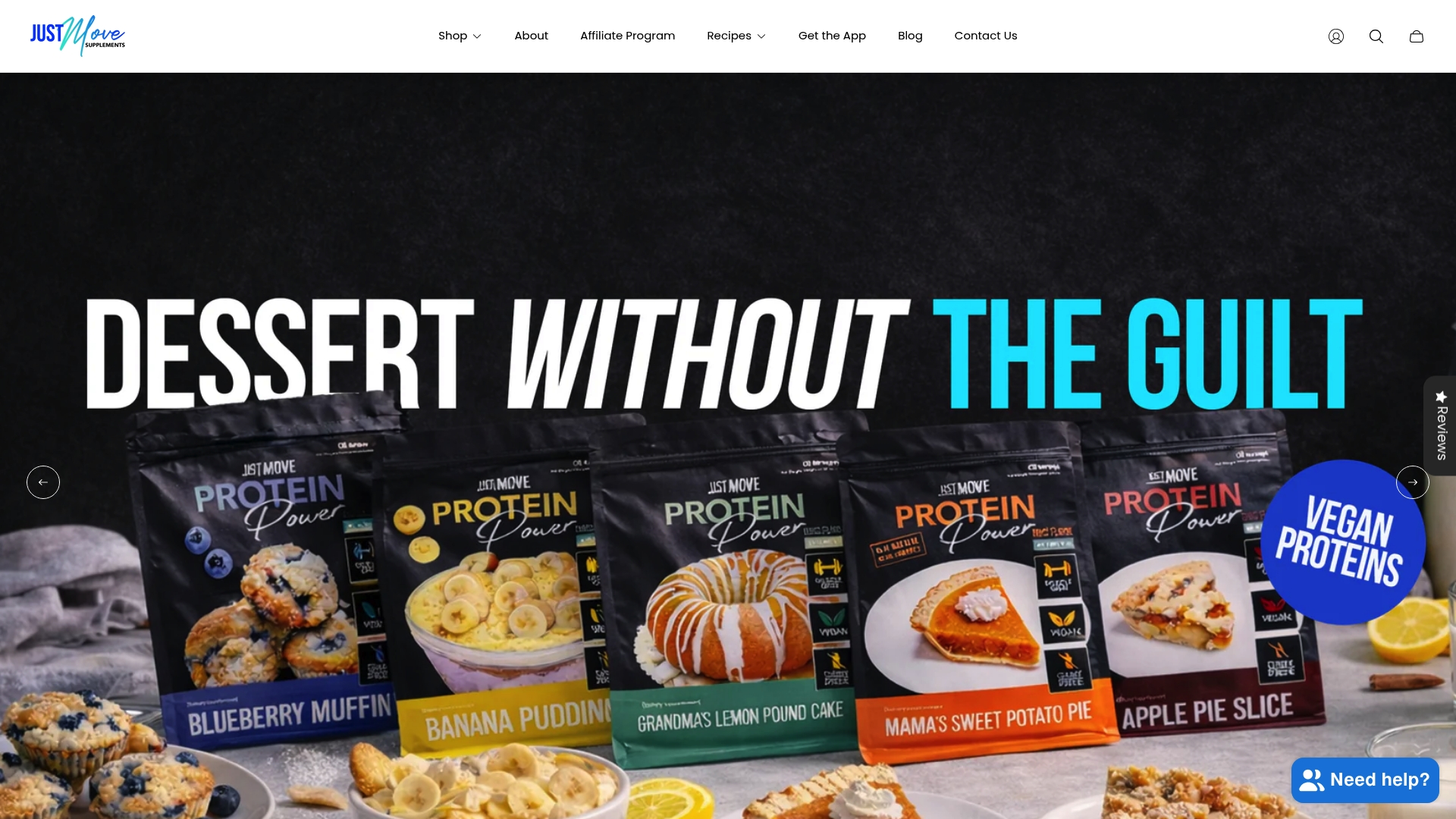
If you’d rather start with something chocolate-forward, Chocolate Cake Protein delivers a direct chocolate flavor that needs almost no extra cocoa powder to taste indulgent. For a different twist, Banana Pudding Protein pairs surprisingly well against dark cocoa for a dessert-style variation that tastes closer to a banana split than a typical protein drink. And if you’re still narrowing down which flavor fits your kitchen habits, the protein sample collection lets you test several options in smaller quantities before buying a full-size tub.
Every one of these works within the exact recipes and ratios covered here. Pick the flavor that matches the cup you’re trying to build, add it to your cart, and you’ll have a fresh batch of protein hot chocolate ready before the kettle would have even finished boiling.
Sources
Recommended


