Yes, several caffeine alternatives can deliver real, usable energy and focus without the jitter-crash cycle that comes with heavy coffee consumption. The benefits of caffeine alternatives work best when you match the right option to your physiology, timing, and goals. The categories that reliably help most health-conscious people include low-caffeine drinks with L-theanine (like matcha), non-stimulant nootropics with clinical backing (like standardized mango leaf extract), adaptogens, and protein-plus-fiber strategies that stabilize blood sugar throughout the day.
That said, the evidence is uneven. Some botanicals have solid human trial data; others rely mostly on traditional use or small studies. Individual response also varies considerably, and timing matters as much as the ingredient itself.
A few grounding facts before you dive in: the FDA advises that up to 400 mg of caffeine per day is generally safe for healthy adults, but many people experience anxiety, disrupted sleep, or heart palpitations well below that threshold. Harvard Health and the Cleveland Clinic both note that lifestyle factors, including sleep consistency, morning sunlight, and balanced meals, often outperform any single supplement for sustained daytime energy.
-
Reliably effective categories: matcha (L-theanine + low caffeine), mango leaf extract/Zynamite (a non-stimulant nootropic with human trials), adaptogens like ashwagandha and rhodiola, protein/fiber strategies, and hydration
-
Moderate evidence: yerba mate, chicory, kombucha, golden milk/turmeric
-
Primarily traditional use: rooibos, most herbal teas
-
Key limitation: most botanical studies are small, short, or industry-funded; results may not generalize
Key Takeaways
Caffeine alternatives work best when matched to your specific fatigue type, paired with protein and lifestyle habits, and evaluated through a structured two-week trial rather than a single use.
| Point |
Details |
| Match alternative to fatigue type |
Stimulant fatigue responds to L-theanine options; stress fatigue responds to adaptogens; blood-sugar crashes respond to protein and fiber. |
| Zynamite has the strongest botanical evidence |
Nine human clinical trials support mango leaf extract for attention, reaction time, and reduced mental fatigue. |
| Lifestyle foundation matters most |
Sleep consistency, morning sunlight, and balanced meals reliably outperform any single supplement for sustained daytime energy. |
| Hidden stimulants are a real risk |
Many herbal energy blends contain guarana or yerba mate; always check the full ingredient panel before use. |
| Justmovesupplements protein pairing |
Justmovesupplements’ low-sugar protein options support blood-glucose stability, the most practical complement to any caffeine alternative strategy. |
Table of Contents
How the Benefits of Caffeine Alternatives Work Across 10 Top Options
1. Matcha
Matcha delivers a combination of L-theanine and caffeine that most users find produces calmer, more sustained focus than coffee. A typical serving contains caffeine alongside meaningful amounts of L-theanine, an amino acid that promotes relaxed alertness by modulating alpha brain waves. Harvard Health notes that caffeine content varies by grade and preparation, so the effect is not perfectly predictable. Best for people who want focus without the spike-and-crash pattern. Avoid adding sweeteners, which blunt the benefit.
2. Yerba mate
Yerba mate contains caffeine, theobromine, and theophylline, giving it a stimulant profile closer to coffee than most herbal teas. A standard cup delivers a moderate amount of caffeine. The combination tends to feel smoother than coffee for many users, partly because theobromine’s stimulation is gentler and longer-lasting. Best for people who want a caffeinated alternative with a different sensory experience. The important caveat: very high, sustained consumption has observational associations with certain cancers in some populations, and it is not caffeine-free, so it is not the right choice for people avoiding stimulants altogether.
3. Chicory root coffee
Chicory is genuinely caffeine-free and brews into a dark, slightly bitter drink that mimics coffee’s ritual. Its main active compound is inulin, a prebiotic fiber that supports gut health, though the amount delivered in a brewed cup is modest. OSF Healthcare highlights chicory’s inulin content as a practical gut-health benefit, though a brewed cup delivers a modest amount of inulin, so realistic expectations matter. Best for people who want the coffee ritual without any stimulant and who also want mild digestive support.
4. Rooibos and herbal teas
Rooibos is caffeine-free, rich in antioxidants, and gentle on the stomach. It does not directly stimulate alertness, but it supports hydration and delivers polyphenols that may reduce oxidative stress over time. Herbal teas like peppermint have some evidence for mild alertness via sensory stimulation, though the effect is modest. Best for people managing anxiety, pregnancy, or arrhythmias who need a completely stimulant-free option.
5. Kombucha
Kombucha provides B vitamins, organic acids, and live probiotics, plus a small amount of caffeine (typically under 15 mg per serving) from the tea base. The B vitamins support cellular energy metabolism, and the probiotics may improve gut-brain signaling over time. Best for people who want a functional, lightly fizzy drink with digestive benefits. Watch for added sugars in commercial versions, which can undercut the energy benefit with a blood-sugar spike.
6. Golden milk (turmeric latte)
Golden milk combines turmeric, black pepper, and often ginger and cinnamon in a warm, caffeine-free drink. Curcumin, turmeric’s primary bioactive compound, has anti-inflammatory properties that may support recovery and reduce fatigue linked to chronic low-grade inflammation. The effect on acute alertness is indirect rather than stimulant-driven. Best for people who want an evening wind-down drink or a morning ritual that supports inflammation management rather than immediate focus.
7. Adaptogens (ashwagandha and rhodiola)
Adaptogens work differently from stimulants. Rather than directly raising alertness, they modulate the stress-response system, which can reduce fatigue caused by chronic stress. Ashwagandha has the strongest human trial base for stress and sleep quality; rhodiola has evidence for reducing mental fatigue in high-stress situations. Emberk’s overview of nootropics and adaptogens explains how these compounds interact with cortisol pathways to support steadier baseline energy. Best for people whose fatigue is stress-driven rather than sleep-deficit-driven. Start with conservative doses and give them at least two to four weeks to assess effect.
Zynamite is a standardized extract of Mangifera indica leaf and one of the few non-stimulant botanical ingredients with multiple human clinical trials behind it. FoodIngredientsFirst reports that nine human trials have evaluated Zynamite, showing improvements in attention, reaction time, and reduced mental fatigue. Its mechanism involves inhibiting COMT (catechol-O-methyltransferase), which prolongs the activity of catecholamines like dopamine and norepinephrine without directly stimulating their release. Best for people who want a non-stimulant nootropic with genuine clinical backing. It is increasingly available in functional beverages and supplement formulas.
9. Theobromine-containing options (yaupon, cacao blends)
Theobromine is a mild, longer-acting stimulant found in cacao and yaupon (the only caffeinated plant native to North America). Unlike caffeine, theobromine does not cross the blood-brain barrier as readily, producing a gentler, more sustained lift without the sharp peak. Yaupon tea is gaining traction in the U.S. as a native herbal caffeine substitute with a clean stimulant profile. Cacao-based drinks deliver theobromine alongside magnesium and flavanols. Best for people who want mild stimulation with a lower anxiety risk than coffee.
10. Hydration and protein/fiber strategies
Plain water and electrolyte drinks address one of the most underrated causes of afternoon fatigue: mild dehydration. Pairing hydration with a protein-rich snack stabilizes blood glucose and prevents the mid-afternoon energy dip that many people misattribute to needing caffeine. The American Heart Association highlights protein and fiber-focused strategies as superior for steady energy compared to sugary caffeinated drinks. This is not a supplement strategy; it is a dietary one, and it is often the highest-leverage change a person can make.
Pro Tip: Pair any caffeine alternative with a protein-rich snack (20–30 g protein) to stabilize blood sugar and extend the alertness window. A flavored protein shake from Justmovesupplements works well here and adds no added sugar to undercut the effect.
How these alternatives produce alertness or sustained energy
The mechanisms behind caffeine alternatives fall into three broad categories: fast-acting stimulants, slow modulators, and metabolic/lifestyle stabilizers.
Fast-acting stimulants include caffeine and theobromine. Caffeine blocks adenosine receptors in the brain, temporarily reducing the sensation of fatigue. Theobromine works similarly but more slowly and with less central nervous system intensity, which is why cacao-based drinks feel gentler. Yerba mate combines both compounds, which partly explains its smoother stimulant profile compared to coffee.
Slow modulators work over days or weeks rather than minutes. Adaptogens like ashwagandha and rhodiola reduce cortisol dysregulation, which over time can improve baseline energy and sleep quality. Zynamite’s COMT-inhibition mechanism prolongs catecholamine activity, producing a sustained cognitive effect rather than a sharp peak. L-theanine in matcha does not produce energy on its own; it modulates the caffeine effect by promoting alpha-wave activity, which is why the matcha experience feels focused rather than wired.
Metabolic and lifestyle stabilizers are often the most powerful and least appreciated category. Blood glucose stability is foundational to consistent energy. Protein and fiber slow glucose absorption, preventing the spike-and-crash pattern that follows high-sugar drinks. Hydration supports every cellular energy process. Cleveland Clinic guidance consistently places lifestyle measures, including consistent sleep timing, morning sunlight, and balanced meals, above any single supplement for reliable daytime energy.
Circadian timing also matters practically. Consuming any stimulant-containing alternative after 2:00 PM can delay sleep onset, even when the caffeine dose is low. Adaptogens and non-stimulant nootropics like Zynamite are more flexible on timing, though morning use is still generally preferred for cognitive benefits.
Who should be cautious about specific alternatives
Not every caffeine alternative is safe for every person, and some carry risks that are easy to overlook.
High-risk groups to be aware of:
-
Pregnancy and breastfeeding: Caffeine-containing alternatives (matcha, yerba mate, kombucha) should be limited or avoided. Even low-caffeine options add up across a day. Caffeine-free choices like rooibos, chicory, and golden milk are generally considered safer, but consult an OB-GYN before adding any concentrated extract.
-
Arrhythmias and uncontrolled hypertension: Any stimulant, including theobromine and low-dose caffeine, can affect heart rhythm. People with cardiac conditions should avoid yerba mate, yaupon, and matcha without medical clearance.
-
Anxiety disorders: Caffeine and theobromine can worsen anxiety symptoms even at low doses. Adaptogens and non-stimulant options like chicory, rooibos, and Zynamite are better fits.
-
MAO inhibitor users: Tyramine-containing fermented products like kombucha can interact dangerously with MAO inhibitors. Anyone on this class of antidepressants should check with their prescriber before adding kombucha.
-
People on COMT-pathway medications: Zynamite’s COMT-inhibition mechanism could theoretically interact with medications that depend on the same pathway. Consult a pharmacist or physician before using concentrated mango leaf extract alongside prescription drugs.
Harvard Health specifically warns that many “herbal energy” blends contain hidden stimulants, including guarana (which is essentially caffeine by another name) and high-caffeine herbs that are not always prominent on labels. Always read the full ingredient list, not just the front-of-pack claims.
Pro Tip: When trying a new herbal energy blend, check the supplement facts panel for guarana, green tea extract, kola nut, and yerba mate — all are caffeine sources that may not be obvious from the product name. Use a low-sugar protein supplement as your pairing base to avoid compounding sugar intake.
Very high, sustained yerba mate consumption has observational associations with esophageal and other cancers in some South American population studies, likely related to drinking it very hot and in large quantities over decades. Moderate, occasional use at typical U.S. serving sizes does not carry the same documented risk, but it is worth knowing.
A practical protocol for testing caffeine alternatives
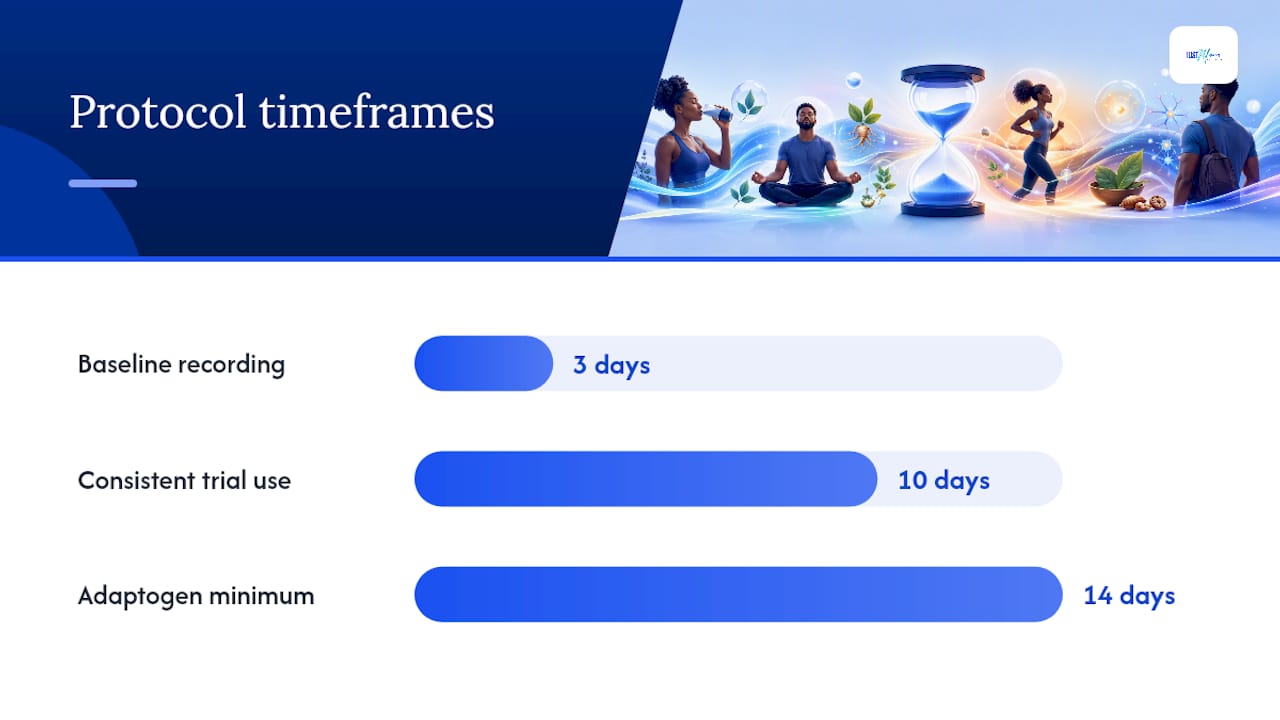
The most reliable way to know whether a caffeine alternative works for you is a structured two-week single-variable trial. Here is a simple protocol:
-
Record your baseline (days 1–3). Before introducing any new alternative, note your average morning energy (1–10), afternoon energy (1–10), sleep quality, and any jitters or crashes. This gives you a real comparison point.
-
Choose one alternative and introduce it on day 4. Do not change anything else, including sleep schedule, diet, or exercise. One variable at a time is the only way to know what is working.
-
Use it consistently at the same time each morning for 10 days. Adaptogens need at least two weeks to show effect; stimulant-based alternatives like matcha show effect within the first serving, so 10 days is enough to assess tolerance and consistency.
-
Track the same metrics daily. Morning energy, afternoon energy, sleep quality, and any side effects. A simple notes app works fine.
-
Evaluate on day 14. If you see a meaningful improvement in at least two metrics with no significant side effects, the alternative is worth continuing. If there is no change or a negative effect, stop and try a different category.
Timing and pairing guidance:
- Drink any caffeinated alternative before 1:00 PM to protect sleep onset.
- Pair with a protein-rich snack or meal to stabilize blood glucose. The benefits of high-protein meal replacements for sustained energy are well-documented and make an easy pairing strategy.
- Hydrate first. Drink at least 16 oz of water before your first alternative of the day.
- Avoid versions with added sugar. A sugary matcha latte or sweetened kombucha adds a blood-sugar spike that undermines the steady-energy benefit.
- For adaptogens, start at the lower end of the label’s suggested dose for the first week.
Pro Tip: Layer your caffeine alternative with a Justmovesupplements protein shake (20–30 g protein, low sugar) mid-morning. This combination addresses both the neurological and metabolic sides of sustained energy, and it is one of the most practical clean energy approaches available without a prescription.
What the science actually says about caffeine alternatives
The evidence base for caffeine alternatives is genuinely mixed, and being clear about that is more useful than overstating it.
Strongest human trial evidence:
| Ingredient |
Trial basis |
Main finding |
| Zynamite (mango leaf extract) |
Nine human clinical trials |
Improvements in attention, reaction time, and reduced mental fatigue |
| Matcha / L-theanine + caffeine |
Multiple controlled trials |
Calmer focus vs. caffeine alone; reduced jitter reports |
| Ashwagandha |
Several RCTs |
Reduced perceived stress and improved sleep quality |
| Rhodiola rosea |
Multiple trials |
Reduced mental fatigue in high-stress conditions |
FoodIngredientsFirst reports that Zynamite’s nine human trials represent an unusually strong evidence base for a botanical ingredient in this category. Most alternatives do not come close to that trial count.
Where the evidence is thin:
A peer-reviewed review published on PubMed Central found that many botanical and supplement studies for energy and alertness suffer from small sample sizes, short durations, lack of placebo controls, and industry funding. Kombucha’s probiotic benefits are real, but the specific effect on daytime energy in healthy adults is not well-established in controlled trials. Golden milk’s anti-inflammatory properties are supported, but the acute alertness effect is not. Chicory’s inulin content is real; the gut-energy connection is plausible but not proven in short-term human trials.
The FDA’s guidance on caffeine safety provides the clearest authoritative benchmark for stimulant-containing alternatives. For non-stimulant options, the Cleveland Clinic and Harvard Health summaries are the most practical clinical references available to general readers.
One more nuance worth noting: coffee itself contains diverse antioxidants not present in most alternatives. Switching entirely is not automatically healthier; it depends on what you are switching to and why.
When caffeine alternatives are worth trying
The decision comes down to your specific situation, not a universal recommendation.
Choose a caffeine alternative when:
- You experience jitters, anxiety, or heart palpitations from coffee or energy drinks
- Your sleep is disrupted and you suspect afternoon caffeine is a factor
- You are pregnant or breastfeeding and need to minimize stimulant intake
- You want cognitive support without stimulant dependency
- Your energy crashes are mid-afternoon and blood-sugar-driven rather than sleep-driven
Stick with moderate caffeine (or a low-caffeine option like matcha) when:
- Coffee works well for you and you have no side effects
- You need reliable, fast-acting alertness for a specific task
- You have no contraindications and stay within the FDA’s 400 mg daily guidance
Quick decision guide:
-
Focus without jitters: matcha (L-theanine + low caffeine) or chai as a lower-caffeine coffee swap
-
Non-stimulant cognitive support with trial evidence: Zynamite (mango leaf extract)
-
Stress-driven fatigue: ashwagandha or rhodiola (give it two to four weeks)
-
Steady energy all day: protein + fiber + hydration strategy, paired with a quality protein supplement
-
Caffeine-free ritual: chicory, rooibos, or golden milk
Consult a clinician before adding concentrated botanical extracts if you take prescription medications, have a cardiovascular condition, or are pregnant. Stop use of any alternative that causes sleep disruption, digestive upset, or increased anxiety after the two-week trial.
Justmovesupplements’ protein options are a practical, evidence-minded pairing for any of these strategies, particularly for the blood-sugar stabilization approach that underpins steady, crash-free energy.
An honest perspective on trying alternatives
The most common mistake people make with caffeine alternatives is treating them as a direct swap. They are not. Matcha is not coffee. Ashwagandha is not an energy drink. The best results come from understanding what each option actually does, pairing it with solid lifestyle habits, and running a real trial rather than trying something once and dismissing it.
What stands out after reviewing the evidence is how consistently lifestyle factors outperform any single ingredient. Morning sunlight, a consistent sleep window, and a protein-anchored breakfast do more for daytime energy than any supplement stack. The alternatives that work best, including Zynamite, matcha, and adaptogens, work best on top of that foundation.
The other honest observation: the supplement industry’s marketing around “clean energy” is largely undefined. Prioritize ingredients with published human trials. Zynamite is the clearest example of an alternative that has earned its claims. Most others are plausible but not proven at the same level.
Justmovesupplements supports your energy strategy
If you are ready to pair a caffeine alternative with a protein-based energy strategy, Justmovesupplements makes it straightforward. The Just Shred Green Apple Fat Burner is a focused option for those managing body composition alongside energy goals, while the protein sample variety pack lets you test multiple flavors before committing, which fits perfectly into a two-week energy trial protocol.
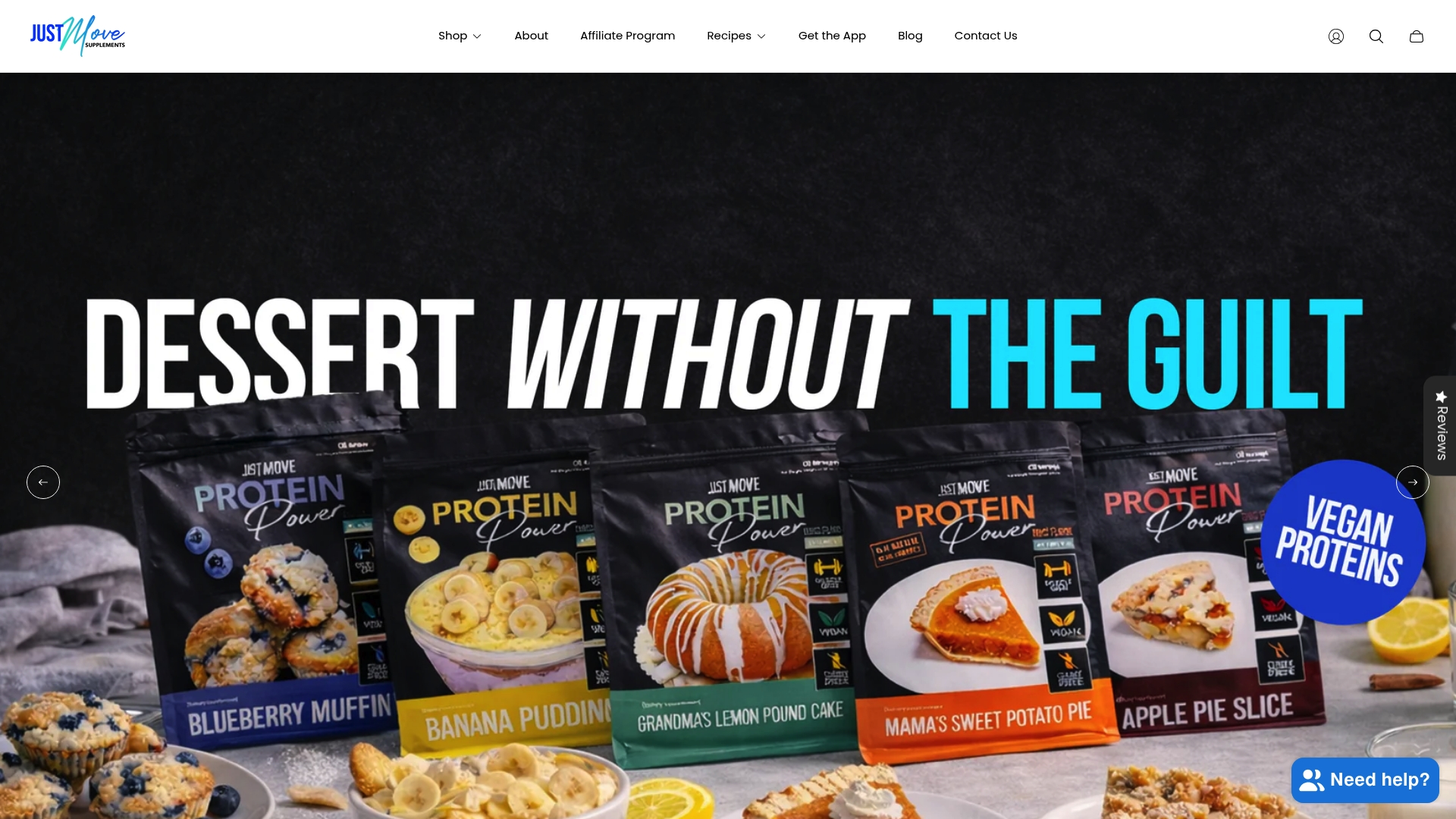
Every product is crafted with both taste and effectiveness in mind, and the low-sugar formulas mean you are not adding a blood-sugar spike to your morning routine. Whether you are pairing protein with matcha, adaptogens, or a chicory blend, Justmovesupplements gives you a trusted, quality-focused foundation. Visit Justmovesupplements to find the right product for your energy goals, and consult a healthcare professional for any specific medical conditions before starting a new supplement routine.
Sources
This article is general information, not a substitute for advice from a qualified doctor. Consult a qualified healthcare professional about your own circumstances before acting on anything here.
Recommended


