Heating protein powder changes its texture, not its nutritional value. That is the science, plain and simple: heat unfolds a protein’s structure (a process called denaturation), but it does not strip out the amino acids that make protein useful to your body in the first place. Your stomach does the same unfolding every time you digest a meal.
Two rules keep your hot drinks and baked goods on track. Let liquids above 170°F cool for 30 to 60 seconds before you stir in your scoop, and never let powder sit directly on an open flame or a scorching pan surface. Both situations cause clumping or scorching long before they touch your amino acid content.
One caveat worth flagging up front: if your formula includes probiotics or digestive enzymes, heat is a different story for those add-ins. Live cultures and enzymes can break down at temperatures well below what it takes to affect the protein itself.
- Denaturation = structural change (texture, solubility)
- Amino-acid breakdown = nutritional loss (requires extreme heat, far beyond kitchen conditions)
- Probiotics and enzymes are the exception, not the rule
Quick fact: Whey protein’s solubility starts dropping around 160 to 170°F, but reaching temperatures that meaningfully reduce amino acid availability takes far more extreme, sustained heat than anything you’ll encounter making coffee or oatmeal.
Key Takeaways
Heating protein powder changes its texture and solubility but does not meaningfully reduce the amino acids that make it nutritionally useful.
| Point |
Details |
| Denaturation vs. degradation |
Heat unfolds protein structure without removing amino acids under typical cooking conditions. |
| Watch the 160 to 170°F mark |
Whey solubility starts declining around this range, increasing clumping risk. |
| Cool hot liquids briefly |
Let drinks above 170°F rest 30 to 60 seconds before stirring in powder. |
| Adjust baking ratios |
Add extra liquid or fat and shorten bake time when substituting protein for flour. |
| Start with small batches |
Justmovesupplements’ sample pack and unflavored protein make low-risk testing easy. |
Table of Contents
What Heat Does to Protein and Powder Structure
Denaturation sounds alarming, but it’s just a name for a protein unfolding from its natural shape. Think of a protein molecule as a tightly wound ball of yarn. Heat, acid, or mechanical force can loosen that ball, straightening strands that were coiled together. That’s denaturation. It changes the protein’s physical behavior, but the amino acid building blocks inside stay intact, just like unrolling a ball of yarn doesn’t shorten the string.
This matters because your stomach performs the exact same trick. Stomach acid and digestive enzymes denature every protein you eat, whether it came from a rotisserie chicken or a scoop of whey. Clinical overviews of protein structure confirm that denaturation is a normal, necessary step in digestion, not a form of damage. Heating your protein powder before it reaches your stomach just means your body has less unfolding left to do.
Where things get more interesting is aggregation. When whey proteins unfold under heat, exposed sections of the molecule can stick together, forming clumps or a gel-like texture. A 2021 review in the International Dairy Journal walks through this process in detail. It found that heat-induced denaturation changes whey’s physicochemical properties, its ability to dissolve, and even some of its bioactive functions, with the severity depending heavily on how hot and for how long the protein is exposed.
Denaturation and aggregation are functional changes, not nutritional ones. A whey protein that clumps in your mug has changed how it behaves in liquid, not how many usable amino acids it delivers once digested.
The practical upshot: your morning latte with a scoop of whey might turn slightly grainy if the coffee is too hot, but the protein content on the label still holds. Typical home heating, whether that’s a mug of hot cocoa or a batch of muffins, rarely causes meaningful amino-acid loss. You’d need sustained, industrial-level heat exposure to actually degrade the amino acids themselves.
What Temperature Actually Changes Protein Powder’s Texture?
Not all heat is equal, and knowing where the thresholds sit takes the guesswork out of cooking with protein powder. Below is a practical reference for common kitchen scenarios.
| Temperature Range |
What Happens |
Amino Acids Affected? |
| warm temperature |
Minimal textural change, powder dissolves normally |
No |
| 160 to 170°F (hot) |
Whey solubility begins to decline, some clumping |
No |
| boiling temperature |
Clumping and gelation likely |
No |
| standard baking temperatures |
Structural changes to texture, browning (Maillard reaction) |
Rarely, within typical bake times |
Whey solubility measurably declines once liquid crosses that 160 to 170°F mark, which is why a scoop dropped into freshly boiled water often looks stringy or clumped compared to the same scoop in a warm smoothie. Reaching temperatures extreme enough to meaningfully reduce amino acid bioavailability requires conditions well beyond a stovetop or a standard oven cycle.
For home cooks, the rule of thumb is simple: if the liquid is too hot to comfortably sip, it’s hot enough to affect texture. Baking is more forgiving on the front end since batter insulates the powder somewhat, but prolonged high heat, like an overdone loaf left in the oven, will dry out a protein-heavy dough faster than a standard recipe.
How Do You Add Protein Powder to Coffee, Tea, or Oatmeal?
Adding protein powder to a hot beverage without ending up with a gritty mess comes down to mixing order and temperature timing, not luck.
-
Make a paste first. Mix your scoop with a tablespoon or two of room-temperature liquid until smooth, then stir that paste into your hot drink. This prevents the powder from seizing up on contact with heat.
-
Cool the liquid slightly. If your coffee or tea just came off the stove or out of the machine, let it sit for 30 to 60 seconds before adding powder. That short window drops the temperature below the point where clumping accelerates.
-
Whisk or blend, don’t stir with a spoon. A milk frother, small whisk, or blender bottle breaks up clumps far more effectively than a spoon ever will.
-
Add fat for mouthfeel. A splash of milk, cream, or nut butter smooths out the texture and masks any grittiness that does form.
For oatmeal, stir your powder in after the oats have cooled slightly off the heat rather than while they’re still bubbling. If you prefer overnight oats, mix protein powder in with cold liquid the night before. Our guide on protein powder in oatmeal walks through both methods.
Pro Tip: Keep a small whisk or milk frother next to your coffee maker. It takes ten seconds and eliminates 90 percent of clumping complaints before they start.

Can You Bake With Protein Powder Without Ruining the Texture?
Protein powder behaves nothing like flour once it hits batter, and that’s the root of most baking disasters. Protein absorbs more liquid than flour does, and it sets faster under heat, which means recipes written for all-purpose flour often come out dry, dense, or crumbly if you swap in a full cup of protein powder without adjusting anything else.
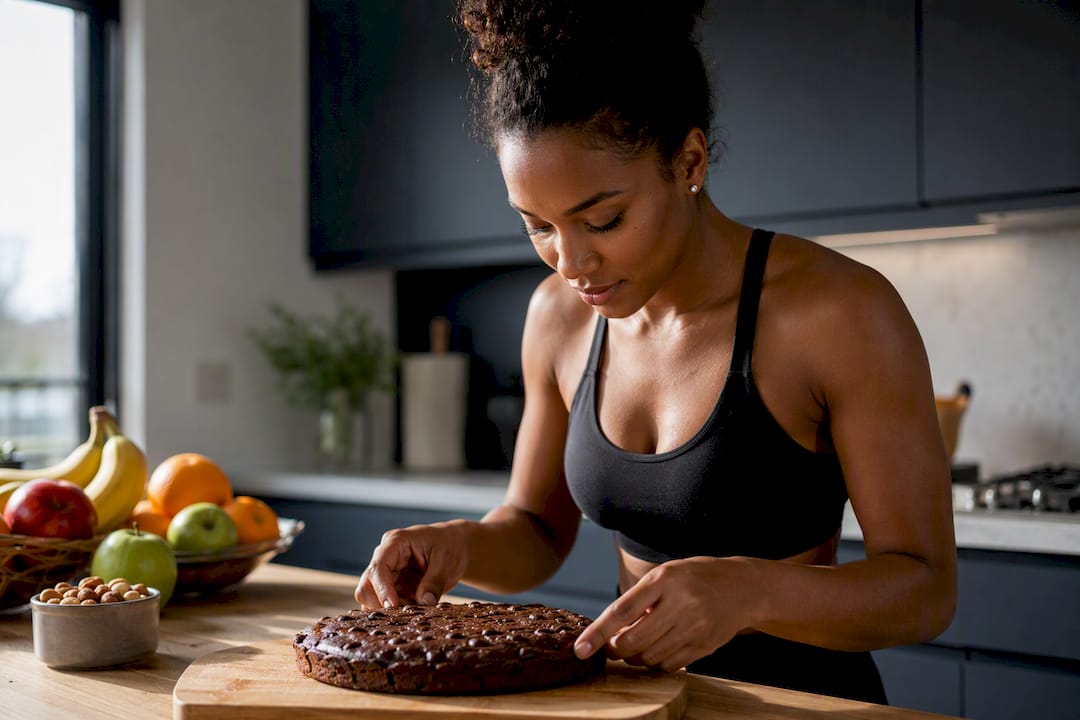
The protein type you choose changes the outcome, too. Test-kitchen comparisons found that pea protein tends to produce softer, fluffier baked goods, though it can carry a faint legume aftertaste. Whey protein often bakes up drier and tougher unless you compensate with extra liquid or fat. Collagen protein, meanwhile, tends to thin out batters, which can spread cookies more than expected.
A few adjustments make the difference between a solid batch and a hockey puck:
- Start by replacing no more than 25% of the flour in a recipe with protein powder.
- For every quarter cup of powder you add, increase liquid (milk, yogurt, or eggs) by roughly a tablespoon to offset the extra absorption.
- Add an extra tablespoon of oil or butter if you’re using whey, since it dries out the fastest of the common protein types.
- Reduce your bake time by checking five to eight minutes earlier than the original recipe calls for, since protein-heavy batters set faster.
Pro Tip: Test doneness with a toothpick and a light finger press. Protein-based batters can look underdone on top while already fully set inside, so relying on color alone will lead to overbaking.
If you’re testing flavors for baking, our flavor pairing guide can help you match a powder’s taste profile to the recipe instead of guessing.
Does Heat Destroy Probiotics or Enzymes in Protein Powder?
Yes, and this is the one area where heat genuinely does cause loss, not just texture change. Formulas that include live probiotic cultures or digestive enzymes are more fragile than the protein itself.
- Digestive enzymes can begin denaturing above roughly 115°F, a temperature you’ll cross the moment you add powder to anything warmer than lukewarm water.
- Live probiotic cultures are similarly heat-sensitive and won’t survive a hot beverage or baking cycle.
- Standard whey, casein, and plant proteins without these add-ins don’t carry this risk; it’s specific to formulas built around live or enzymatic ingredients.
Storage matters just as much as cooking temperature. ConsumerLab’s testing found that powdered supplements hold up well under normal home and shipping temperatures, but humidity, not moderate heat, is the real threat. Moisture exposure causes clumping and can degrade ingredients like creatine over time. Keep containers sealed, store them in a cool dry cabinet rather than a steamy kitchen shelf, and avoid scooping straight from a container left near a stove or a fridge with condensation buildup. For a deeper look at how storage conditions affect shelf life, this guide on protein powder expiration covers the warning signs worth watching for.
How Do You Fix Clumpy or Dry Protein Powder Recipes?
Most heat-related protein mishaps have a fast fix, provided you catch them early.
-
Clumping in drinks: Reblend the beverage, or whisk a small amount of cold water into the powder first to form a smooth paste before adding it back to the hot liquid. Straining through a fine mesh sieve works as a last resort.
-
Dry or crumbly baked goods: Add a tablespoon of yogurt, applesauce, or oil to the batter next time, and pull the pan out of the oven a few minutes earlier. If the damage is already done, a light glaze or drizzle of syrup after baking restores moisture.
-
Off tastes from plant proteins: Pair pea or rice protein with bold flavors like chocolate, cinnamon, or espresso powder to mask the earthy notes. Testing a flavored option from a sample pack before committing to a full tub saves both money and a ruined recipe.
-
Burnt or scorched powder: If protein powder makes direct contact with a flame, a hot pan surface, or gets left in an oven well past its bake time, discard the batch. Burnt amino acids can oxidize and produce a bitter, off flavor that no amount of masking will fix.
Pro Tip: Keep your protein additions to the last two minutes of any stovetop cooking process. Adding powder early and letting it simmer is the single most common cause of both clumping and scorching.
What Should You Look for in a Protein Powder for Hot Recipes?
Not every protein powder is built with hot preparations in mind, and that’s worth knowing before you start experimenting. Formulas with minimal add-ins tend to perform more predictably under heat since there’s less to go wrong texturally or nutritionally.
For hot drinks and baking experiments, an unflavored option like Plain And Simple - Unflavored Protein gives you a clean base that won’t clash with coffee, oatmeal, or a savory bake, and its simple formulation means fewer heat-sensitive extras to worry about. If you’re still figuring out which flavor profile works best in a hot chocolate or a batch of muffins, the Just MOVE Protein Sample Variety Pack lets you test seven flavors in small quantities before committing to a full-size tub.
One honest note: if a formula you’re using includes probiotics, digestive enzymes, or other heat-sensitive additions, treat it differently than a straightforward whey or plant protein. Those ingredients are the exception to the “heat mostly changes texture” rule, and no amount of careful mixing will preserve a live culture once it crosses its stability threshold.
- Unflavored proteins minimize off-notes in savory or delicately flavored hot recipes
- Sample packs reduce the cost of testing before buying a full tub
- Simpler formulations (fewer add-ins) behave more predictably under heat
- Formulas with probiotics or enzymes need gentler handling, not hot liquids or baking
| Point |
Details |
| Denaturation is not destruction |
Heat unfolds protein structure but leaves amino acids intact under normal cooking conditions. |
| Cooling matters |
Let liquids above 170°F sit 30 to 60 seconds before adding powder to limit clumping. |
| Baking needs adjustment |
Increase liquid or fat and shorten bake time when substituting protein powder for flour. |
| Add-ins are the exception |
Probiotics and enzymes can break down well below temperatures that affect protein itself. |
Why the “Never Heat Protein Powder” Advice Misses the Point
The internet’s most common piece of protein advice, never heat your powder or you’ll destroy it, isn’t wrong so much as it’s aimed at the wrong problem. The research doesn’t support the idea that a hot latte or a batch of protein muffins wrecks your amino acid intake. What it does support is that heat changes how protein behaves physically: how it dissolves, how it clumps, how a batter sets.
That distinction should reshape how you approach hot recipes. Instead of avoiding heat altogether, prioritize technique: cool your liquids slightly, adjust your baking ratios, and choose simpler formulations when you’re experimenting. The real risk isn’t a warmed-up shake. It’s a formula loaded with probiotics or enzymes getting treated the same as a straightforward whey blend.
If there’s one thing worth prioritizing first, it’s testing in small batches. Try a new flavor or bake before committing a full tub of powder to a recipe you’re not sure about. The science gives you the confidence to experiment; the technique determines whether the result actually tastes good.
— Just
Ready to Test These Techniques in Your Own Kitchen?
Justmovesupplements built its lineup around exactly this kind of experimentation, giving you a low-risk way to figure out what works in your coffee, oatmeal, or oven before you commit to a full-size tub. Unlike guessing your way through a single large purchase, you get to test formulations and flavors in small quantities first.
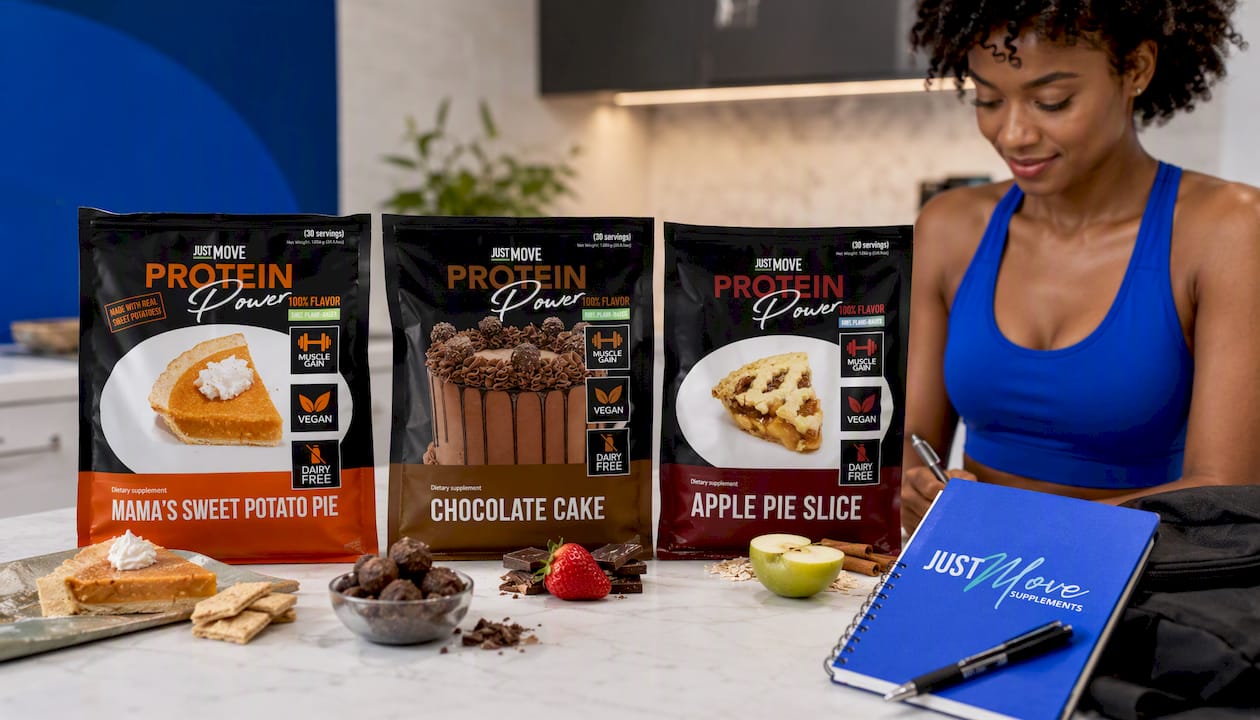
The Just MOVE Protein Sample Variety Pack lets you try seven flavors before deciding which one holds up best in your favorite hot recipe, and the Plain And Simple - Unflavored Protein gives you a clean, predictable base for coffee, tea, or baking without extra ingredients to complicate the outcome. If you bake often and want variety on hand, the 15 Serving Protein Variety Bundle covers multiple flavors without the commitment of full-size tubs. Browse the full protein sample collection and pick your starting flavor today.
Sources
Recommended


