Reading protein supplement nutrition labels is the single most important skill a fitness enthusiast can develop before spending money on supplements. The FDA requires all supplements to carry a Supplement Facts panel, but that panel only helps you if you know what to look for. Serving size manipulation, nitrogen spiking, and proprietary blends without disclosed weights are common tactics that inflate perceived value. Third-party certifications like Informed Sport, NSF Certified, and USP Verified exist precisely because label accuracy is not guaranteed. Knowing how to decode each section protects your wallet and your results.
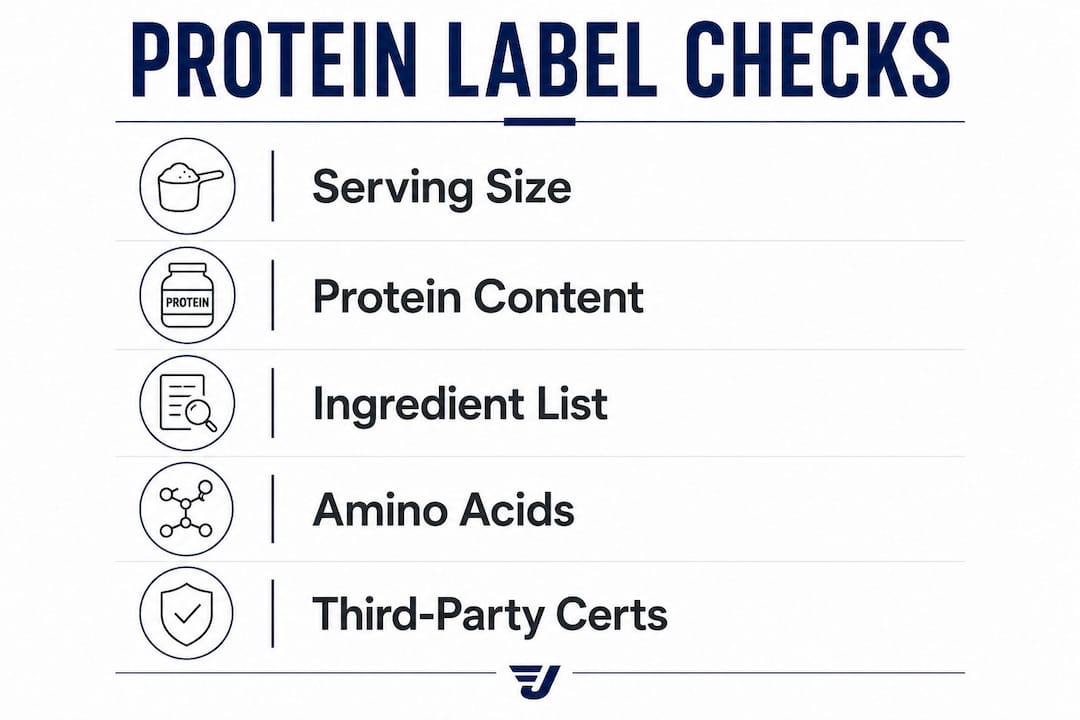
What are the key components to check first on a protein supplement label?
Serving size is the most manipulated figure on any protein label. Manufacturers often use smaller serving scoops to lower shown calories and sugar, skewing consumer perception of the product’s value. A product that looks low-calorie may simply be delivering less protein per scoop than you expect.
The most reliable check is calculating protein efficiency: divide the grams of protein per serving by the total serving size in grams, then multiply by 100. A 25g protein yield from a 30g scoop reflects 83% protein content, which signals a high-quality, low-filler product. Anything below 70% warrants a closer look at the ingredient list.
Here are the core label elements to evaluate first:
-
Protein per serving: Target a minimum of 20–30g per serving to effectively stimulate muscle protein synthesis.
-
Serving size in grams: Compare this to the protein grams to calculate efficiency.
-
Calories per serving: Cross-check against your macro targets to spot hidden fillers.
-
Number of servings per container: Divide the total container weight by the serving size to verify the claim.
Pro Tip: Flip the container and weigh an actual scoop on a kitchen scale. If the scoop weighs significantly less than the declared serving size, the manufacturer is using air-filled scoops to make the container look fuller.
Calorie counts also reveal filler content. A 30g serving with 160 calories but only 20g of protein means 10g of that serving is fat, carbs, or filler. That gap matters when you are tracking macros for a specific fitness goal.
How to interpret the ingredient list and amino acid profile on protein supplements
The ingredient list tells you what you are actually buying. The protein source must appear as the first ingredient. If you see maltodextrin, sugar, or a filler starch listed before the protein source, the product prioritizes bulk over nutrition.

Proprietary blends are a red flag when they list multiple protein sources without disclosing individual weights. A blend of “whey concentrate, casein, and egg white protein” sounds impressive, but without disclosed weights, the product could be 90% cheap concentrate with trace amounts of the premium sources. Transparency in labeling means every ingredient has a declared amount.
The amino acid profile determines how well the protein supports muscle recovery. Key markers to look for:
-
Leucine: 2–3g per serving is the threshold that triggers muscle protein synthesis.
-
BCAAs (branched-chain amino acids): Quality whey protein delivers over 5g of BCAAs per serving.
-
Essential amino acids (EAAs): All nine EAAs must be present for the protein to be considered complete.
| Amino acid marker |
Quality threshold |
What it signals |
| Leucine |
2–3g per serving |
Activates muscle protein synthesis |
| Total BCAAs |
5g or more |
Indicates quality whey or complete protein |
| All 9 EAAs present |
Yes |
Complete protein source |
| Free-form amino acids listed separately |
Avoid |
Possible amino spiking |
Pro Tip: If you see taurine, glycine, or creatine listed near the top of the ingredient list alongside the protein source, those amino acids may be padding the nitrogen count rather than contributing to muscle-building protein.
When separate, free-form amino acids appear prominently in the ingredient list, that is a warning sign. These cheap amino acids inflate the nitrogen reading used to calculate protein content, without delivering the muscle synthesis benefits of whole protein chains. Understanding vegan vs. whey protein sources also helps you evaluate which amino acid profiles fit your dietary needs.
What red flags and deceptive practices should consumers watch for on protein labels?
Nitrogen spiking is the most deceptive practice in the supplement industry. Protein content is measured by testing nitrogen levels in a product, since protein contains nitrogen. Manufacturers exploit this by adding cheap amino acids like taurine or glycine, which are high in nitrogen but do not function as muscle-building protein. The result is an inflated protein count on the label that does not reflect actual nutritional value.
Taurine or glycine listed as main ingredients, a lack of third-party certification, and an unusually low price point are the three clearest indicators of nitrogen spiking in a protein supplement. If a product checks all three boxes, treat it as adulterated until proven otherwise.
Third-party certifications cut through the noise. Informed Sport, NSF Certified, and USP Verified each test for banned substances, protein content accuracy, and product purity. These certifications are not free for manufacturers to obtain, which means certified products carry a genuine quality commitment.
A Certificate of Analysis (COA) is the next level of verification. Reputable brands publish COAs from independent labs, confirming that what is on the label matches what is in the product. If a brand refuses to share its COA on request, that refusal tells you everything you need to know.
Watch for these specific red flags on any label:
- Taurine, glycine, or creatine listed near the top of the ingredient list
- No third-party certification seal anywhere on the packaging
- Protein content that seems unusually high relative to the price
- Proprietary blends with no individual ingredient weights
- No COA available from the brand
How to evaluate macro breakdowns and additional nutritional info on protein labels
Fat and carbohydrate content reveal the type of protein product you are holding. Clean whey isolates and concentrates typically carry 1–3g of fat and under 5g of carbs per serving. That lean macro profile reflects a product focused on protein delivery rather than calorie density.
| Product type |
Typical fat |
Typical carbs |
Best for |
| Whey isolate |
0–1g |
1–3g |
Cutting, lean muscle |
| Whey concentrate |
2–5g |
3–8g |
General fitness |
| Mass gainer |
5–15g |
50–100g |
Bulking, calorie surplus |
| Meal replacement |
5–10g |
15–30g |
Calorie-controlled meals |
High carbs or sugars above 10g per serving indicate a mass gainer or a less clean formulation. That is not inherently bad, but it must match your goal. A fitness enthusiast in a calorie deficit does not need 80g of carbs from a protein shake.
Added sugars deserve special attention. Natural sugar vs. added sugar are listed separately on modern Supplement Facts panels, and that distinction matters. Artificial sweeteners like sucralose or acesulfame potassium appear in many low-sugar products, and their long-term effects on gut health remain a subject of ongoing research.
Pro Tip: Cross-check the declared calories against your macros. Each gram of protein and carbohydrate provides 4 calories; each gram of fat provides 9 calories. If the math does not add up to the declared calorie total, the label may contain errors or undisclosed ingredients.
The importance of protein extends beyond the shake itself. Experts emphasize total daily protein relative to body weight over single high doses for sustained benefits. Active adults should target 1.2–1.6g of protein per kilogram of body weight per day, spread across meals and supplements in 20–30g doses to support consistent muscle recovery.
Key Takeaways
Reading protein supplement nutrition labels accurately requires checking protein efficiency, amino acid completeness, macro ratios, and third-party certification before purchasing any product.
| Point |
Details |
| Calculate protein efficiency |
Divide protein grams by serving size grams; aim for 80% or higher for quality products. |
| Check amino acid markers |
Look for 2–3g leucine and 5g+ BCAAs to confirm muscle-building potential. |
| Spot nitrogen spiking |
Avoid products listing taurine or glycine prominently without third-party certification. |
| Audit macro ratios |
Clean isolates carry under 5g carbs and 1–3g fat; mass gainers carry far more. |
| Verify with a COA |
Request a Certificate of Analysis from any brand before committing to a purchase. |
Why label reading changed how I think about protein supplements
Most fitness enthusiasts spend more time researching gym equipment than they do reading the label on a product they consume daily. That imbalance costs real results. I have seen products with 30g declared protein deliver less than 20g of actual muscle-building amino acids because the rest was nitrogen-spiked filler. The label looked perfect. The COA told a different story.
The marketing language on the front of a container is completely unregulated. Words like “ultra-premium,” “advanced formula,” and “performance blend” carry no legal definition and no nutritional obligation. The Supplement Facts panel on the back is where the truth lives, and even that requires the calculation skills covered here to interpret correctly.
My honest recommendation: ignore the front of the container entirely on your first read. Flip it over, calculate protein efficiency, check the amino acid profile, look for a certification seal, and then decide. A product that passes those four checks is worth your money regardless of what the front label promises. One that fails even one check deserves serious scrutiny before you buy.
Consistency matters more than any single product choice. Spreading protein intake across the day in 20–30g doses outperforms one large serving for muscle recovery and overall health. The best protein supplement is the one you can verify, afford consistently, and actually enjoy using.
— Just
Transparent protein you can actually verify
Putting label-reading skills to work is easier when the product you choose makes transparency its baseline, not a selling point.
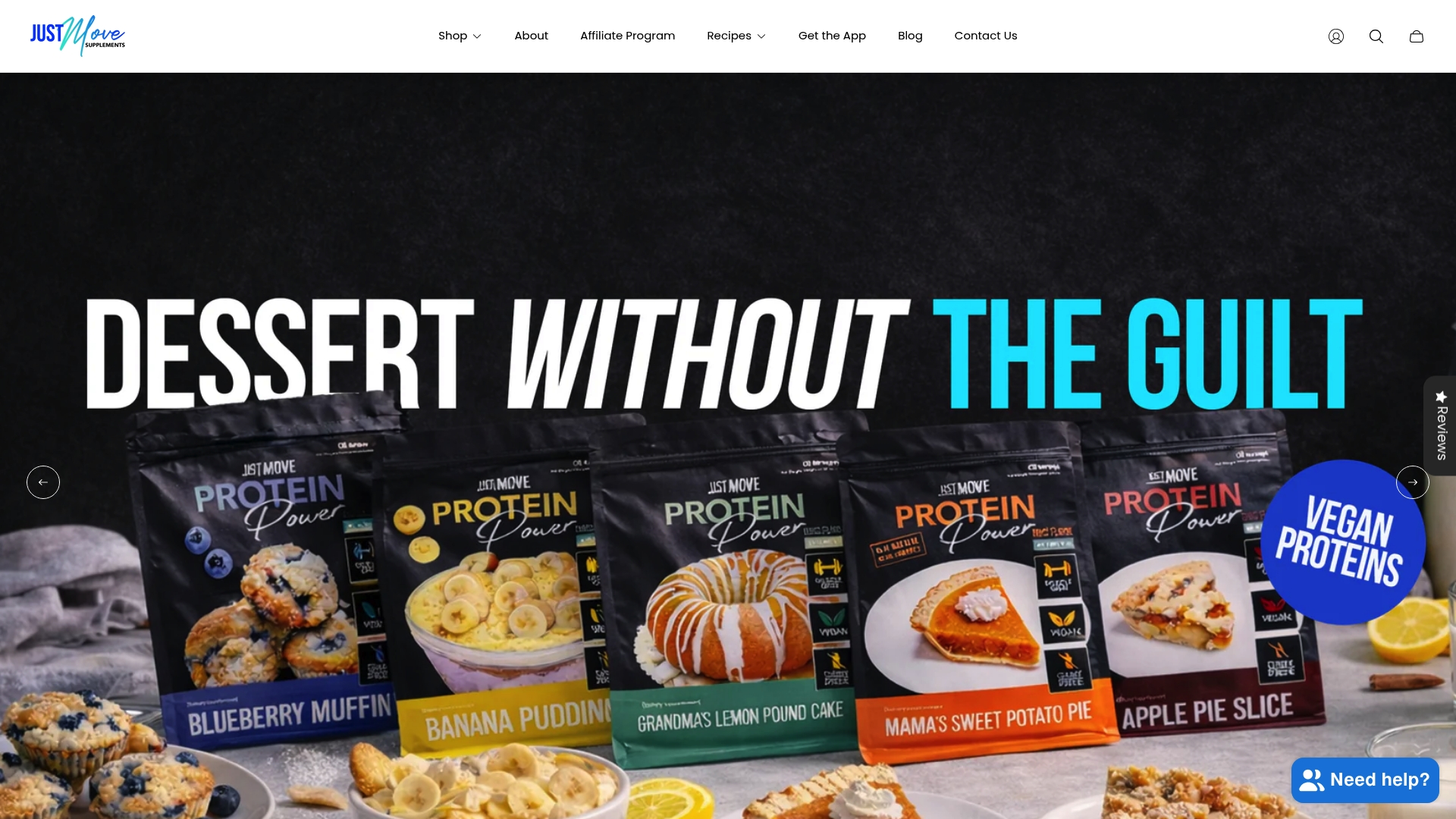
Justmovesupplements built the Plain and Simple Unflavored Protein around exactly the criteria covered here: a high protein-to-serving ratio, a clean ingredient list with no proprietary blends, and full transparency on every macro. No artificial fillers, no inflated claims. If you want to try multiple options before committing, the protein sample variety pack lets you test seven flavors with the same quality standards across every one. Informed choices start with honest labels, and Justmovesupplements delivers both. ️
FAQ
What is the minimum protein per serving to look for?
Aim for at least 20–30g of protein per serving to effectively stimulate muscle protein synthesis. Products below 20g per serving may not deliver enough leucine to trigger meaningful muscle recovery.
How do I calculate protein efficiency on a label?
Divide the grams of protein per serving by the total serving size in grams, then multiply by 100. A result of 80% or higher indicates a high-quality, low-filler product.
What is nitrogen spiking and how do I spot it?
Nitrogen spiking adds cheap amino acids like taurine or glycine to inflate protein content readings. Look for these ingredients listed near the top of the ingredient list, especially in products without third-party certification.
Which third-party certifications are most reliable?
Informed Sport, NSF Certified, and USP Verified are the three most recognized certifications. Each tests for banned substances, protein content accuracy, and product purity.
How much total protein do active adults need per day?
Active adults should target 1.2–1.6g of protein per kilogram of body weight daily, spread across meals and supplements in 20–30g doses for optimal muscle recovery.
Recommended


