
- Article published at:
- Article author: Just MOVE Supplements
- Article tag: en
- Article comments count: 0
Discover the truth about protein powder shelf life and how to ensure safe, high-quality use beyond the expiration date. Learn more!
Learn More

Drawer menu

A protein blend is a powder that combines two or more protein sources, usually chosen for different digestion speeds, to deliver a broader amino acid profile than any single ingredient offers on its own. That broader profile paired with staggered absorption means your muscles get a mix of quick and sustained amino delivery from one scoop.
For athletes, blends make the most sense in specific windows:
If your goal is simple convenience with sustained coverage, a well-formulated blend usually beats relying on a single protein source alone.
Protein blends work because combining absorption speeds gives you both immediate amino delivery and extended recovery support from a single serving.
| Point | Details |
|---|---|
| Blends beat single sources for timing | Mixing fast and slow proteins covers both immediate and extended recovery needs. |
| Check the label order | Ingredients listed first make up the largest share of the protein blend. |
| Match protein to your goal | Whey-forward blends suit muscle gain; whey-casein mixes suit overnight recovery. |
| Watch for red flags | Skip products with vague proprietary blends, high added sugar, or diluted scoop sizes. |
| Test before you commit | Justmovesupplements’ sample pack lets you check flavor and tolerance before buying a full tub. |
A single-source protein powder contains one ingredient, typically whey isolate or pea protein. A blend combines two or more, and the combination is the entire point: each source contributes a different amino acid strength and a different absorption rate.
The most common sources you’ll see on a label:
Ingredients on a label are listed by weight, heaviest first. If whey concentrate is listed first and casein trails near the bottom, you’re getting a whey-dominant blend with a small casein contribution, not an even split. Mixing flavors thoughtfully also affects how a blend performs day to day, since taste fatigue is one of the top reasons people stop using a product that otherwise works fine.
Blends earn their spot in a training routine because they solve a timing problem single-source proteins can’t fully address on their own. Mixing fast-absorbing whey with a slower protein like casein gives you quick leucine delivery to trigger muscle protein synthesis, plus extended amino availability that keeps feeding recovery for hours afterward.
That combination matters most in three practical ways:
Pro Tip: Check the total protein per serving, not just the scoop size. A 40-gram scoop that delivers only 20 grams of actual protein is diluted with fillers and flavoring, and you’re paying for volume, not amino acids.
Blends also give you more flexibility in the kitchen. A neutral or dessert-flavored blend works in shakes, oatmeal, pancakes, or baked goods, where a single stubborn-tasting isolate might not.
Start with your primary goal, because that decision drives almost everything else.
A blend that lists exact grams per protein source and keeps added sugar low is doing more for your recovery than one with a flashy proprietary formula and no real numbers behind it.
Budget matters too, but the cheapest option per tub isn’t always the cheapest per gram of usable protein. Divide price by actual protein content per serving before comparing products.
Timing and preparation both affect how much value you get out of a blend. Around training, mix a scoop with water or milk within thirty to sixty minutes post-workout for fast delivery. Between meals, a smaller serving blended into a snack curbs hunger without derailing a diet plan. Before bed, a casein-forward blend mixed thicker, sometimes with Greek yogurt, supports overnight repair.
Three easy ways to work a blend into your routine: For recipe inspiration using seed-based proteins, check out seed-based meal ideas to expand your plant-based cooking options.
Justmovesupplements builds its protein powders, fat burners, and energy supplements around both taste and effectiveness, which matters when you’re the one drinking the same shake five days a week. A blend you actually enjoy is a blend you’ll stick with long enough to see recovery benefits.
A few reasons athletes keep coming back:
Most guides treat protein blends as a single category, as if whey-casein and pea-brown rice serve the same purpose. They don’t. The real decision isn’t “should I buy a blend,” it’s “which absorption profile matches when I’m actually going to drink this.”
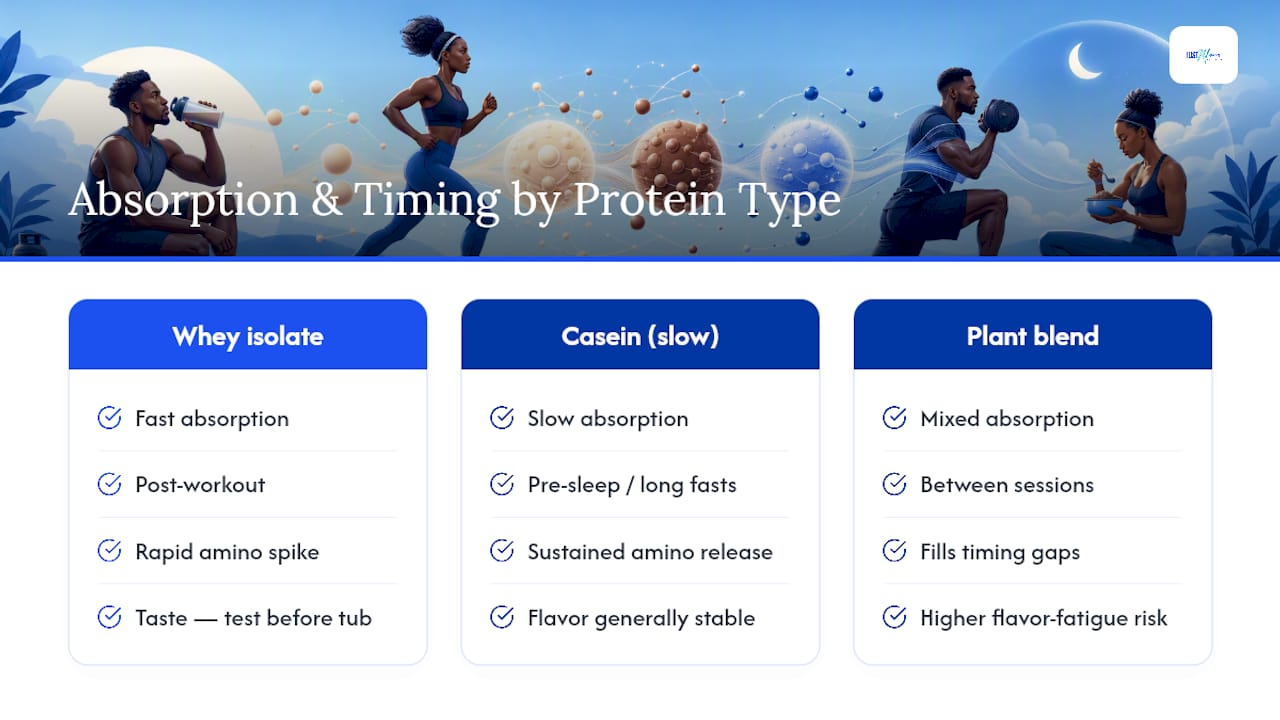
The conventional advice to “just get whey isolate, it’s the gold standard” ignores that isolate alone leaves a gap for anyone training twice a day or going eight hours between dinner and breakfast. A blend fills that gap by design, not as a compromise.
What gets overlooked most is taste tolerance. Athletes quit good products constantly, not because the formula failed, but because they got sick of the flavor after three weeks. That’s why testing before committing to a large tub matters more than most buying guides admit. Prioritize a blend that matches your training schedule first, then find a flavor you won’t dread by week three. The nutrition only works if you actually finish the tub.
If you want a blend that disappears into any recipe, Plain And Simple - Unflavored Protein is built for exactly that. No flavor to fight with, no sweetness to clash with your smoothie or oatmeal, just clean protein you can mix into anything.
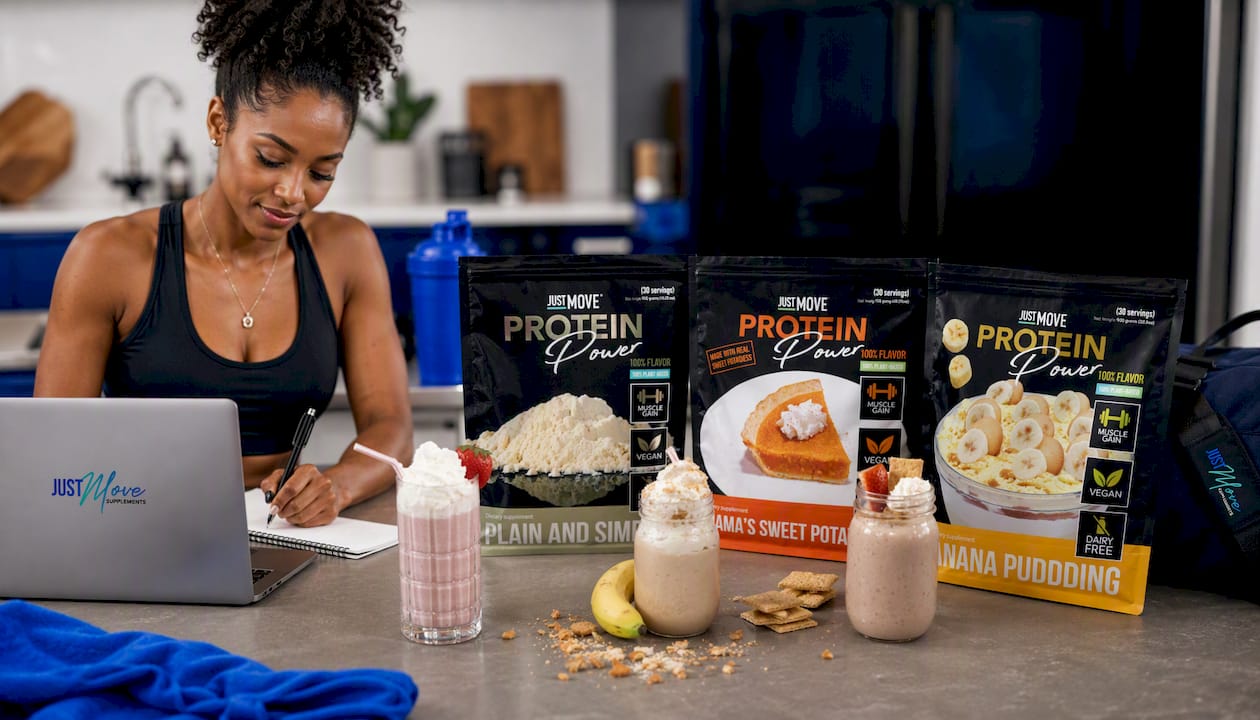
If taste is what keeps you consistent, Sweet Potato Pie Protein turns a recovery shake into something you look forward to instead of something you choke down. For a dessert-style option that still hits your post-workout numbers, Banana Pudding Protein delivers the comfort-food flavor without the comfort-food macros.
Not sure which one fits your training schedule and taste preference? Grab a sample pack, run each flavor through a real week of training, and order the full-size tub of whichever one you actually finish first.
What is a protein blend, exactly? A protein blend is a powder made from two or more protein sources, usually combined to deliver a mix of fast and slow absorption rates along with a broader amino acid profile than a single source provides.
Is a protein blend better than whey isolate alone? Neither is strictly better. Whey isolate absorbs fast and works well immediately after training, while a blend adds sustained amino availability for overnight recovery or long gaps between meals.
Can vegans use protein blends? Yes. Pea and brown rice combinations are the standard vegan blend, since combining the two sources raises the overall amino acid completeness compared to either ingredient alone.
How much protein should I get from a blend per serving? Most athletes aim for 20 to 40 grams per serving depending on body size and training intensity, with higher amounts typically reserved for post-workout servings.
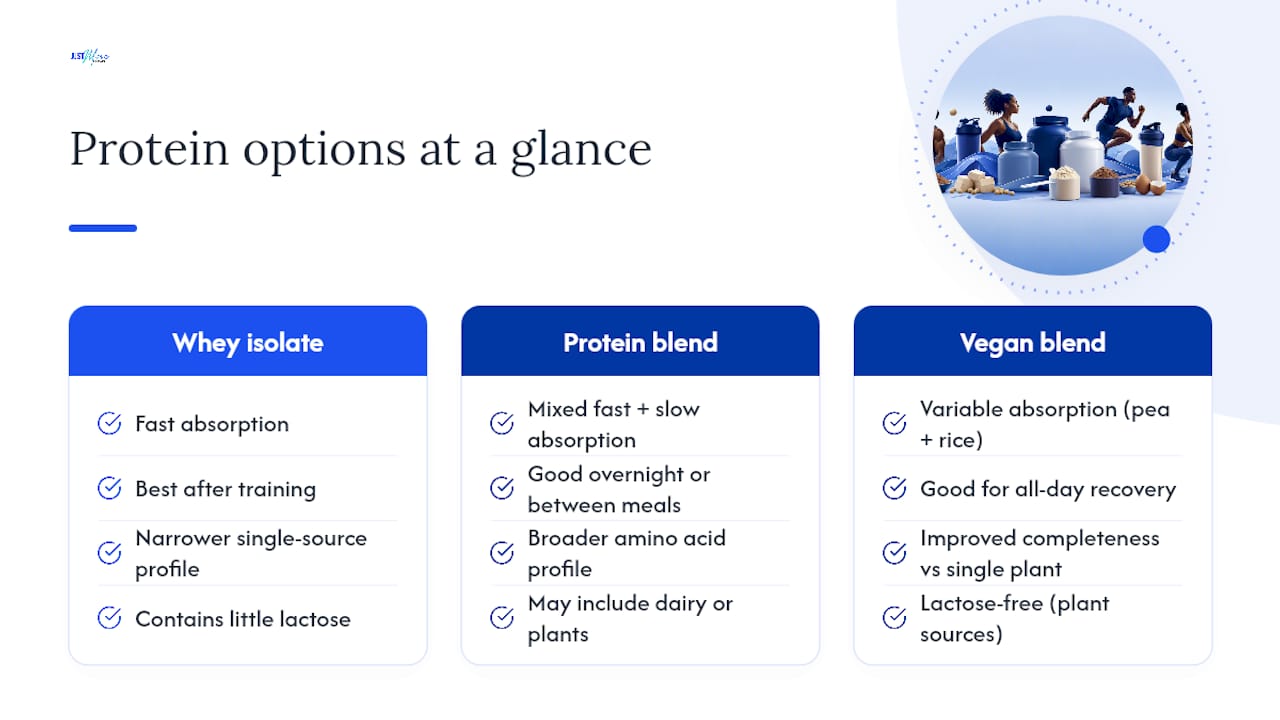
Are protein blends safe for people with lactose intolerance? Whey concentrate and casein both contain some lactose, so lactose-sensitive athletes generally do better with pea, brown rice, soy, or blends built entirely from plant sources.


Consuming this product can expose you to chemicals including Lead, which is known to the State of California to cause cancer and birth defects or other reproductive harm.
For more information, go to www.P65Warnings.ca.gov/food .