
- Article published at:
- Article author: Just MOVE Supplements
- Article tag: en
- Article comments count: 0
Discover the truth about protein powder shelf life and how to ensure safe, high-quality use beyond the expiration date. Learn more!
Learn More

Drawer menu

Supplements can reduce mental fatigue, but mainly when a nutrient deficiency or insufficiency is driving the problem. For otherwise-healthy adults with no underlying gap, the evidence is genuinely mixed. Harvard Health confirms that no supplement ingredient has been definitively proven to improve thinking or prevent memory loss in the general population. That said, targeted correction of deficiencies in iron, vitamin D, or B vitamins shows real clinical benefit, and creatine has solid short-term trial data for task-related cognitive fatigue.
The supplements with the strongest clinical signal are:
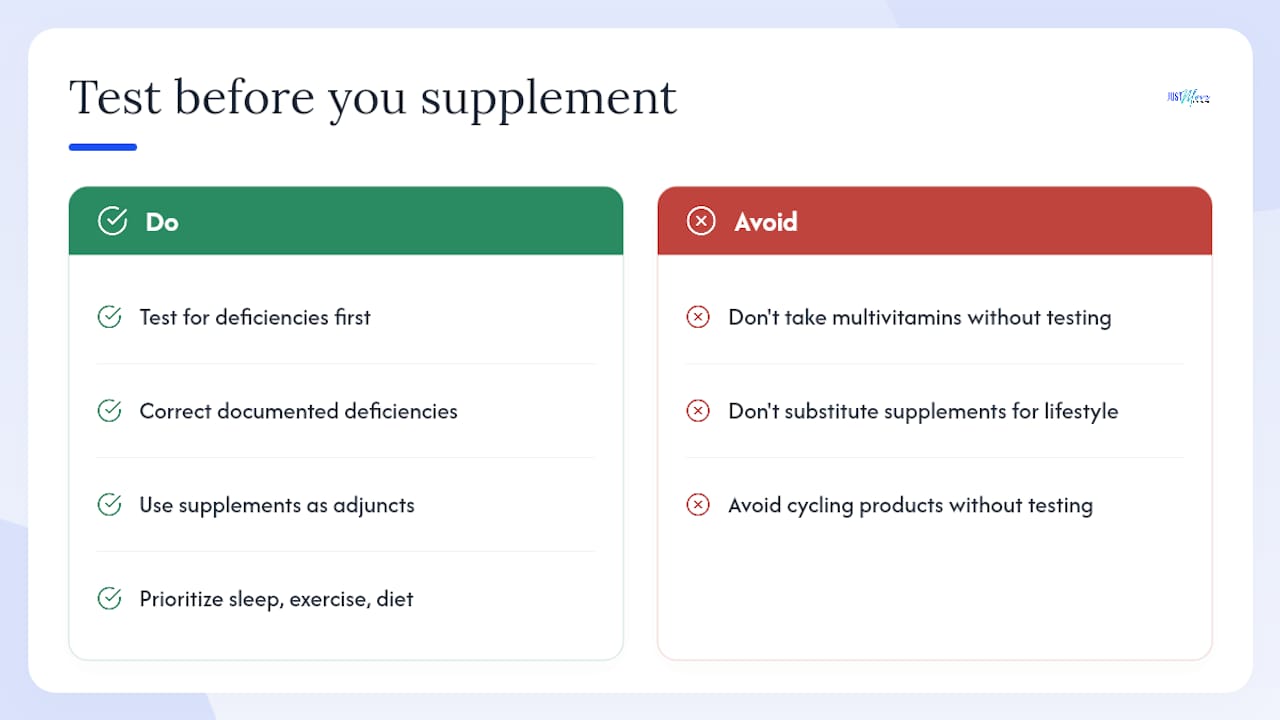
Before starting anything, get baseline labs. And start one supplement at a time so you can actually tell what is working.
Pro Tip: Keep a simple daily symptom log for two weeks before you start any supplement. Rate your mental energy, focus, and mood on a 1–10 scale each morning. That baseline makes it far easier to judge whether a supplement is genuinely helping after four to eight weeks.
Mental fatigue is a symptom cluster, not a diagnosis. It typically shows up as slowed thinking, trouble concentrating, poor short-term memory, and a persistent sense of low mental energy even after adequate sleep. “Brain fog” is the informal term most people use; clinicians often call it cognitive fatigue or subjective cognitive impairment.
Common causes include chronic sleep loss, uncontrolled stress, depression or anxiety, certain medications (antihistamines, statins, some blood pressure drugs), thyroid dysfunction, and nutrient insufficiencies. Metabolic issues like blood sugar dysregulation also play a role. The critical point is that supplements address only the nutrient-gap piece of that list.
About 1 in 4 adults over 50 in the U.S. takes at least one brain-health supplement, according to a nationally representative survey cited by Harvard Health, even though no ingredient in those products has been definitively proven to improve cognition for the general population.
That gap between consumer behavior and clinical evidence is exactly why testing before supplementing matters.
The clearest pattern across published trials and narrative reviews is this: the strongest, most consistent benefits appear when supplementation corrects a confirmed deficiency. Creatine is the notable exception, showing benefit even in non-deficient adults during high-demand cognitive tasks.
| Supplement | Proposed mechanism | Typical study dose | Evidence strength | Who benefits most |
|---|---|---|---|---|
| Iron | Restores oxygen transport and mitochondrial function | Varies by protocol | RCT/meta-analysis | Premenopausal women with low ferritin |
| Vitamin D | Supports neuronal signaling and neuroinflammation control | — | RCT (deficiency) | Adults with serum 25(OH)D below 20 ng/mL |
| B12 / Folate | Cofactors for myelin synthesis and neurotransmitter production | Nutritional to therapeutic | RCT (deficiency) | Vegans, older adults, those on metformin |
| Creatine | Boosts cerebral ATP synthesis | 8 g/day short course | Double-blind RCT | Adults with high cognitive load |
| Magnesium | Regulates NMDA receptors and cortisol response | — | Mixed RCT | Adults with low dietary intake or stress |
| Vitamin C | Antioxidant protection, neurotransmitter synthesis | — | Mixed RCT | Those with low baseline vitamin C |
| Omega-3s | Anti-inflammatory, membrane fluidity | 1–3 g EPA+DHA/day | Mixed | Older adults, low fish intake |
| Rhodiola rosea | Adaptogen, reduces cortisol response | — | Limited RCT | Stress-related fatigue |
| L-theanine | Promotes calm alertness via GABA modulation | — | Limited RCT | Anxiety-driven cognitive fatigue |
| Astaxanthin + sesamin | Antioxidant, reduces oxidative stress from screen work | 6–12 mg astaxanthin | Crossover RCT | Adults with screen-heavy work |
Key findings worth noting:
The bottom line from the research: Experts consistently note that single-nutrient supplements rarely help people without a documented deficiency. Food-based sources and lifestyle changes remain the preferred first-line approach for most adults.
Timelines vary by supplement and by how significant the underlying deficiency is.
| Supplement | Typical time to noticeable effect | What to measure |
|---|---|---|
| Creatine | Days to 2 weeks | Subjective task focus, fatigue during cognitive work |
| Vitamin C | 2–4 weeks | Perceived energy, attention, fatigue scale scores |
| Iron | 4–8 weeks | Fatigue scores, re-check ferritin at 8–12 weeks |
| Vitamin D | 6–12 weeks | Mood, energy, re-check 25(OH)D at 3 months |
| B vitamins | 6–12 weeks | Cognitive clarity, re-check B12 if deficient |
| Magnesium | 4–8 weeks | Sleep quality, stress response, muscle tension |
| Omega-3s / adaptogens | 8–12 weeks | Mood, sustained attention, stress resilience |
Practical rules for evaluating your trial:
Supplements can interact with medications and carry real population-specific risks. Always check with a clinician if you are pregnant, taking prescription medications, or managing a chronic condition.
Common side effects by class: iron causes GI upset and constipation at higher doses; magnesium causes loose stools or diarrhea above roughly 350 mg/day from supplements; stimulant-adjacent compounds (high-dose B vitamins, some adaptogen blends) can cause mild jitteriness. Report any new symptom to your clinician and check the FDA’s MedWatch system for adverse event reporting.
A comprehensive review of nutritional supplements and cognitive health reinforces that a personalized, clinician-guided approach combining diet, exercise, and targeted supplementation consistently outperforms a one-size-fits-all stack.
Supplements reduce mental fatigue most reliably when they correct a confirmed deficiency; testing before supplementing and prioritizing lifestyle changes gives you the clearest path to real cognitive improvement.
| Point | Details |
|---|---|
| Test before you supplement | Order ferritin, serum 25(OH)D, and B12 before starting any targeted supplement. |
| Deficiency drives the strongest results | Iron, vitamin D, and B vitamins show consistent trial benefits mainly in deficient or insufficient populations. |
| Creatine is the exception | Short-course creatine at 8 g/day reduced task-evoked mental fatigue in a double-blind RCT, even in non-deficient adults. |
| Quality and form matter | Choose third-party certified products in bioavailable forms (D3, methylcobalamin, ferrous glycinate). |
| Justmovesupplements products | Just Chill (D3, magnesium, ashwagandha) and the Essential Vitamin Bundle address common dietary gaps linked to cognitive fatigue. |
Most people experiencing brain fog reach for a multivitamin or a nootropic stack before they have any idea what is actually driving their symptoms. Clinicians who work with fatigue patients see this pattern constantly: someone spends months cycling through products without testing, and a single ferritin result would have pointed them to a straightforward iron correction weeks earlier.
The supplement industry has a strong incentive to frame every product as broadly beneficial. The clinical literature tells a more specific story. Targeted correction of a documented deficiency produces meaningful, measurable results. Broad-spectrum supplementation in a replete, otherwise-healthy adult produces mostly expensive urine and a placebo effect that fades within weeks.
That does not mean supplements have no role. Creatine’s mechanism, supporting cerebral ATP synthesis, is well-established and explains why it can sharpen performance on demanding cognitive tasks even without a deficiency. Adaptogens like ashwagandha have real stress-modulating data. Magnesium is chronically under-consumed in the American diet. The point is that the Healthline overview of supplements for brain fog and similar resources are most useful when you already know your baseline status, not as a shopping list.
Lifestyle interventions, consistent sleep, regular exercise, and a protein-adequate diet remain the primary tools. Supplements work best as adjuncts to those foundations, not substitutes. If you want to support cognitive function through diet, that foundation matters more than any capsule.
If your labs point to low vitamin D, a magnesium gap, or stress-driven cognitive fatigue, Justmovesupplements has two products built around exactly those targets.
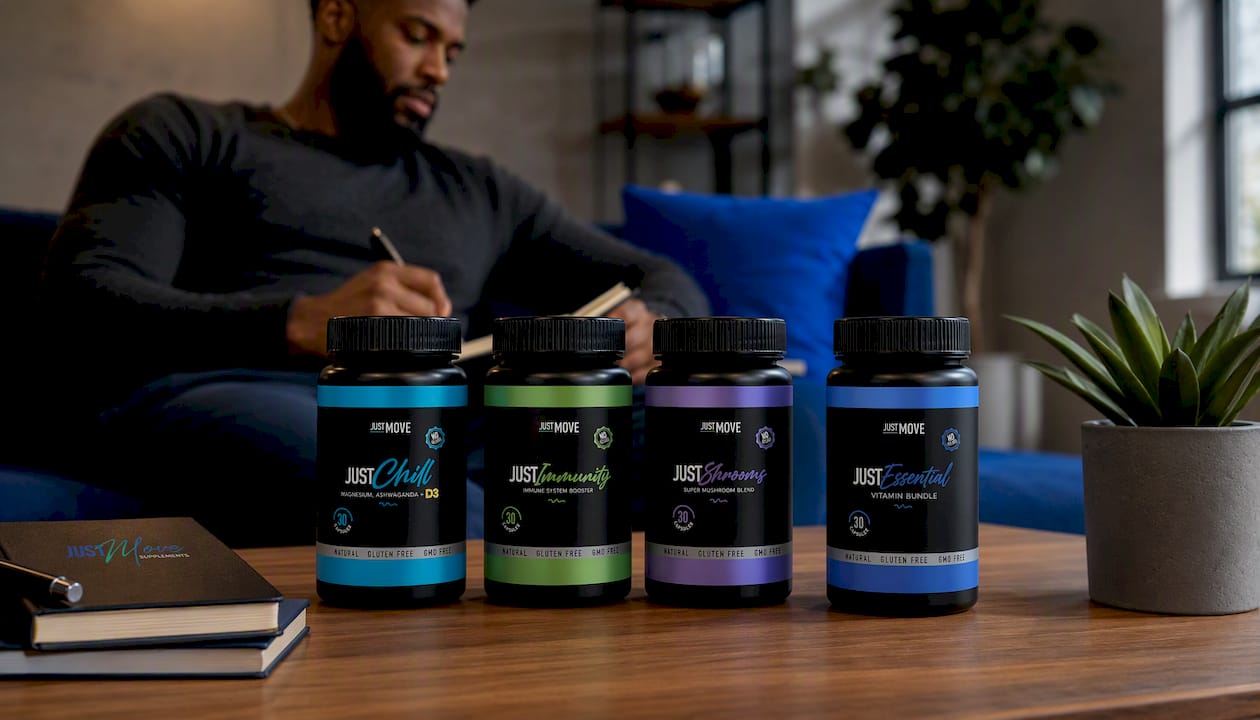
The Just Chill D3, Magnesium, and Ashwagandha bundle combines three of the most evidence-supported options for fatigue tied to deficiency and stress. Vitamin D3 (cholecalciferol) is the bioavailable form used in clinical trials. Magnesium supports NMDA receptor function and cortisol regulation. Ashwagandha has adaptogen data for stress-related cognitive symptoms. This bundle fits adults who have confirmed low D or high stress as a driver of their brain fog.
For broader dietary gap coverage, the Essential Vitamin Bundle covers B vitamins and vitamin C, the two nutrient classes most consistently linked to energy metabolism and cognitive support when status is low. It is a practical starting point for anyone whose diet falls short on these micronutrients.
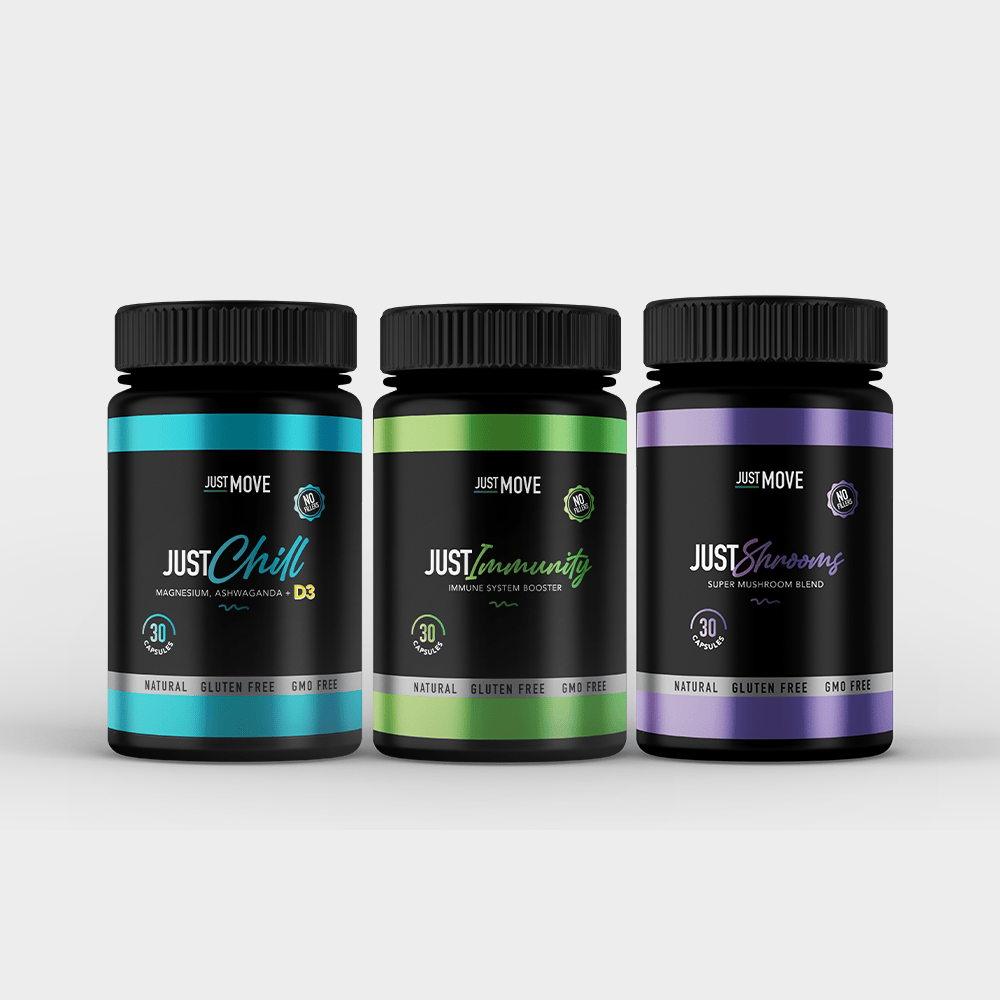
One important reminder: get your ferritin and 25(OH)D tested before starting iron or high-dose vitamin D therapy. These products are adjuncts to a healthy lifestyle and clinician guidance, not replacements for either. For busy professionals who want to maintain consistent intake on the go, portable supplement formats make that easier to sustain.
This article is for general informational purposes only and does not constitute medical advice. Confirm current supplement guidelines and your individual needs with a qualified healthcare professional.
The claims in this article draw from peer-reviewed trials, meta-analyses, and expert reviews. These are the primary sources worth reading if you want to verify the evidence or go deeper.
| Source | What it supports |
|---|---|
| PMC Vitamins & Minerals Review | Iron, B vitamins, vitamin C, magnesium evidence in deficiency |
| Keio University RCT | Creatine 8 g/day reducing task-evoked mental fatigue |
| MDPI Astaxanthin Trial | Antioxidant combination improving recovery from screen fatigue |
| Harvard Health | Lifestyle-first framing, regulatory caution on supplements |
| PMC Cognitive Health Review | Personalized, holistic supplementation framework |


Consuming this product can expose you to chemicals including Lead, which is known to the State of California to cause cancer and birth defects or other reproductive harm.
For more information, go to www.P65Warnings.ca.gov/food .