Short verdict: tyrosine can protect mental clarity when your brain is under acute stress or cognitive depletion, but it does not reliably raise cognitive performance in a rested, well-fed brain. That distinction is the whole story, and most of the confusion around this amino acid comes from ignoring it.
The situational part matters. Tyrosine appears to work best as a buffer against decline, not a booster of baseline ability. If you’re sleep deprived, working through hour six of a demanding project, or dealing with cold, heat, or high-altitude stress, you’re the person most likely to notice something. If you’re already sharp and rested, you’re probably wasting your money.
Here’s where the evidence points to real benefit:
-
Sleep deprivation: several human trials show tyrosine helps preserve working memory and reaction time after a night with little or no sleep.
-
Sustained cognitive load: long, demanding tasks that drain focus over hours, not minutes.
-
Extreme environmental stress: cold exposure, heat, hypoxia, and similar physical stressors that also tax the brain.
One safety flag before you go further: if you have phenylketonuria (PKU), take an MAOI, or are pregnant or breastfeeding, tyrosine is not something to try without medical guidance first.
Key Takeaways
Tyrosine supports mental clarity by replenishing depleted dopamine and norepinephrine during acute stress, sleep loss, or heavy cognitive demand, not by boosting a rested baseline.
| Point |
Details |
| Situational, not universal |
Tyrosine helps most under sleep deprivation, extreme environmental stress, or sustained cognitive load, not on an ordinary rested day. |
| Mechanism is replenishment |
It’s a direct precursor to dopamine and norepinephrine, refilling pools that stress and fatigue deplete. |
| Typical dose range |
Research commonly uses roughly 100 mg/kg, translating to about a few grams depending on body weight and protocol. |
| Safety checklist matters |
Avoid or consult a clinician first with PKU, MAOIs, pregnancy, uncontrolled hypertension, or dopamine-altering medications. |
| Trial it, don’t guess |
Track a single-dose trial on a known demanding day, comparing perceived clarity and objective task performance. |
| Justmovesupplements supports the foundation |
The brand’s protein sample pack and performance supplements help you build the nutritional baseline tyrosine’s mechanism depends on. |
Table of Contents
How Tyrosine Works in the Brain and Why It Matters for Focus
Tyrosine is the direct building block for dopamine and norepinephrine, the two catecholamines your brain leans on for attention, working memory, and quick decision-making under pressure. That single fact explains almost everything else in this article, including why the effect only shows up in certain conditions.
Picture the pathway like a supply chain: dietary protein breaks down into amino acids, including tyrosine, which travels to the brain and gets converted by an enzyme called tyrosine hydroxylase into L-DOPA. L-DOPA then becomes dopamine, and dopamine becomes norepinephrine. Each step depends on enzyme availability and cofactors, and the whole chain runs faster when your body actually needs more catecholamines.
That’s the catch. Tyrosine hydroxylase is a rate-limiting enzyme, meaning it caps how fast the conversion happens regardless of how much raw tyrosine is floating around. Under normal conditions, your brain’s catecholamine pools stay relatively stable and adding more tyrosine doesn’t push production past that natural ceiling. But stress, sleep loss, and heavy cognitive demand burn through dopamine and norepinephrine faster than they can be replaced. That’s when extra tyrosine functions less like an enhancer and more like a supply refill.
The Frontiers review on individual differences in tyrosine response describes this directly: tyrosine raises central catecholamine availability transiently, which is why it tends to help once catecholamines have already been depleted rather than lifting performance in a rested brain. It’s a replenishment mechanism, not a stimulant effect.
Here’s how that plays out cognitively:
-
Working memory: holds up better under fatigue when catecholamine pools are supported rather than exhausted.
-
Response speed: reaction time tends to degrade less during sustained, high-demand tasks.
-
Cognitive flexibility: the ability to switch between mental tasks without losing accuracy is one of the more consistently reported benefits in depleted states.
-
Sustained attention: vigilance during monotonous or extended tasks appears to hold up longer with tyrosine on board compared to placebo.
None of this means tyrosine hands you superhuman focus. It means the mechanism only becomes relevant once your natural catecholamine supply is already strained, which is exactly why lab results split so sharply between depleted and non-depleted participants.
What Does the Clinical Research Actually Show?
The evidence for tyrosine sits in a specific, narrow lane: moderate support for acute cognitive buffering under stress, and weak-to-no support for improving cognition in people who are already rested and unstressed. That split isn’t a contradiction in the research. It’s the pattern the research keeps producing.
A systematic review of 15 human studies found consistent acute protective effects on working memory and information processing when tyrosine was given during demanding conditions, though most of those studies used single-dose designs tested during one session. That’s a meaningful caveat. It tells you the effect is real under those specific circumstances, but it doesn’t tell you much about what happens with daily use over months.
Older literature summarized in the NCBI Bookshelf review on tyrosine and stress backs this up with both human and animal data, showing tyrosine reduces the performance cost of environmental stressors like cold exposure, hypoxia, and psychological pressure. Again, the common thread is stress. Take the stressor away and the benefit tends to shrink or disappear.
Here’s a quick rundown of what the research actually looked at:
-
Sleep-deprivation trials: small groups of healthy adults given tyrosine before or during extended wakefulness, generally showing improved vigilance and working memory compared to placebo.
-
Cold and hypoxia studies: military and lab-based research on performance under physical environmental stress, often showing tyrosine partially offsets cognitive slowdown.
-
Cognitive load tasks: psychological stress paradigms (timed tasks, dual-task demands) where tyrosine groups showed smaller performance drops than placebo groups.
-
Rested-baseline studies: trials on well-rested, unstressed participants, which tend to show little or no measurable benefit.
The strength of the evidence is genuinely mixed, but not randomly. A PubMed study highlighting situational effects points out that many of the “null result” trials tested tyrosine in participants who weren’t depleted in the first place. Testing an amino acid designed to replenish a depleted system on people with nothing to replenish is a design flaw more than a failure of the compound itself.
Evidence strength callout: across the available trials, results are consistent when the study population faces real stress, sleep loss, or environmental demand. Results turn mixed or flat the moment researchers test rested, unstressed adults. That’s the single biggest variable explaining the conflicting headlines you’ll find on this topic.
Limitations worth sitting with before you draw conclusions:
- Most trials are small, often fewer than 30 participants per arm.
- The overwhelming majority use single-dose, single-session protocols rather than tracking effects over days or weeks.
- Cognitive tasks vary widely between studies, from working memory tests to reaction-time batteries, making direct comparison difficult.
- Long-term trials on daily supplementation are essentially absent from the human literature.
None of that makes tyrosine’s acute effect fake. It means the evidence answers a narrower question than most marketing implies: does tyrosine help under stress? Probably, for many people. Does it make you sharper on an ordinary Tuesday? The data doesn’t really support that claim.
What Dose and Timing Do Human Studies Actually Use?
Most human trials use tyrosine doses scaled to body weight, typically reported in mg/kg, with many practical protocols using a few grams for a single dose. That range covers most of the published research on acute stress and sleep-deprivation studies, and it’s worth knowing the math so you’re not guessing.

Here’s a simple conversion example: if a study protocol calls for 100 mg/kg and you weigh 70 kg (about 154 pounds), that works out to 7,000 mg, or 7 grams. Scale up or down from there based on your own body weight, and remember that higher research doses were typically used in controlled, single-session settings, not daily routines.
Common formulations you’ll encounter:
-
L-tyrosine powder: the form used in most published research, easy to dose precisely and mix into water or a shake.
-
L-tyrosine capsules: convenient and portable, though capsule counts can get high at research-level doses.
-
N-acetyl-L-tyrosine (NALT): marketed as more bioavailable, but human data supporting that claim is thin compared to plain L-tyrosine.
Timing follows a simple logic: take it 30 to 60 minutes before the period of expected high demand, whether that’s a long shift, an exam, or a physically demanding stretch in cold or heat. For sleep-deprivation scenarios specifically, several studies dosed participants partway through an extended wake period rather than only at the start, since that’s closer to when catecholamine depletion actually peaks.
Who Should Worry About Side Effects or Interactions?
Tyrosine is generally well tolerated at the doses used in research, but a short list of contraindications makes this a supplement to clear with a clinician first if any apply to you. That’s not a throwaway caution. The interactions below carry real risk, not theoretical risk.
Contraindication checklist:
-
Phenylketonuria (PKU): people with this condition cannot metabolize phenylalanine or tyrosine normally and should avoid supplementation entirely.
-
MAOI use: monoamine oxidase inhibitors combined with tyrosine can trigger a dangerous spike in blood pressure.
-
Pregnancy or breastfeeding: insufficient safety data exists to recommend supplementation during either.
-
Uncontrolled hypertension: raising catecholamine availability isn’t a great idea if your blood pressure is already poorly managed.
-
Certain psychiatric medications: anything that already modulates dopamine or norepinephrine tone deserves a conversation with your prescriber first.
Drug interaction notes worth knowing:
-
MAOIs: the combination risk here is serious enough that it’s the single clearest hard stop on this list.
-
Levodopa: tyrosine and levodopa compete for the same transport system into the brain, which can blunt levodopa’s effectiveness in Parkinson’s treatment.
-
Thyroid medications: tyrosine is a building block for thyroid hormone, so combining high-dose supplementation with thyroid medication warrants medical oversight.
-
Stimulants: stacking tyrosine with high-dose stimulants may compound cardiovascular strain, particularly at higher doses.
Safety callout: most clinical studies report tyrosine as safe and well-tolerated at typical doses, with no strong evidence linking standard supplementation to persistent dopamine depletion or dangerous cortisol spikes in healthy adults. But “typical doses in short trials” is not the same as “proven safe for years of daily use,” because that long-term data doesn’t really exist yet. If you notice jitteriness, headache, nausea, or a spike in blood pressure after taking it, stop and check in with a clinician rather than pushing through.
Pro Tip: If you’re on any prescription medication, even something unrelated like a thyroid or blood pressure prescription, run tyrosine past your pharmacist before you start. It takes five minutes and closes off almost every interaction risk on this list.
Who Is Most Likely to Notice Clearer Thinking From Tyrosine?
The people who benefit most share one thing in common: their catecholamine reserves are already under strain when they take it. If that’s not you, don’t expect much.
High-likelihood situations:
-
Acute sleep deprivation: an all-nighter, a newborn at home, or a disrupted travel schedule that’s cut your sleep short.
-
Back-to-back high-demand cognitive tasks: exam blocks, trial prep, or a stretch of shifts with little recovery time between them.
-
Extreme environmental stress: cold-weather work, high altitude, or heat exposure layered on top of mental demands.
Low-likelihood profiles:
-
Stable, well-rested baseline: if your sleep and stress levels are already in good shape, tyrosine has little depleted reserve to replenish.
-
Existing catecholamine-altering medications: stimulant prescriptions or antidepressants that already shift dopamine and norepinephrine tone reduce the room for tyrosine to add anything.
-
Anyone expecting daily “brain boosting”: the Healthline overview on tyrosine makes the point plainly: this is a buffer against depletion, not a permanent cognitive upgrade you take like a multivitamin.
Red flags that call for medical review rather than self-supplementation: persistent anxiety, unexplained blood pressure changes, or any existing diagnosis involving dopamine regulation, including Parkinson’s disease or certain mood disorders. Those situations need a clinician’s input before you add anything that touches catecholamine synthesis.
How Do You Test Whether Tyrosine Works for You?
The most practical way to find out is a short, tracked single-dose trial on a day you already know will be cognitively demanding. Don’t guess. Measure.
-
Pick a high-demand day in advance, ideally one where you also expect reduced sleep or a known stressor, since that’s when tyrosine has the best odds of showing an effect.
-
Choose a dose in the research range, roughly 2 to 5 grams for most adults, adjusted for body weight using the conversion method above.
-
Time it 30 to 60 minutes before the demanding period begins, or partway through if you’re dealing with extended sleep loss.
-
Track something measurable, not just how you feel. Reaction time on a simple app-based test, number of errors on a task, or a 1 to 10 subjective clarity rating all work.
-
Repeat on a comparable “off” day without tyrosine so you have something to compare against, since placebo effects on subjective clarity are real and common.
If you’re stacking tyrosine with caffeine, keep the caffeine dose moderate. Both compounds touch the same catecholamine system, and stacking high doses of each can push you toward jitteriness rather than clarity; our piece on caffeine alternatives for energy covers gentler ways to layer focus support. Avoid combining tyrosine with MAOIs or high-dose stimulant pre-workouts entirely, for the interaction reasons covered above.
Pro Tip: Keep a simple log: sleep hours, stressor type, dose and timing, perceived clarity, and one objective task result. Two or three tracked trials tell you more about whether tyrosine works for your body than any study ever will.
What Don’t Researchers Know Yet About Tyrosine?
The honest gaps in this research matter as much as the findings themselves. Long-term trials on daily tyrosine use over months or years are essentially missing from the human literature, which means nobody can say with confidence what chronic supplementation does beyond the acute window most studies measure.
Sample sizes remain small across most trials, often under 30 participants per group, and the cognitive tasks used vary so much between studies that direct comparison gets murky. On top of that, individual biology plays a bigger role than most people realize. Genetic variation in dopamine-related genes like COMT and DRD2, along with each person’s baseline dopamine tone, likely explains a meaningful chunk of why some people respond strongly to tyrosine and others notice nothing at all.
Recommendation: treat tyrosine as a situational tool backed by a coherent but limited body of acute-stress research, not a proven long-term cognitive enhancer. Clinicians and curious readers alike should weight the acute-stress findings more heavily than any claim about sustained daily benefit, because the data simply doesn’t extend that far yet.
What the Evidence Says About Long-Term Tyrosine Use
Almost every well-designed tyrosine study measures a single dose over a single session, which leaves a real blind spot around what happens with ongoing, daily use. That’s not a minor detail. It’s the biggest unanswered question in this entire body of research.
There’s no strong human evidence that daily tyrosine supplementation builds a compounding cognitive benefit over weeks or months. The mechanism itself argues against that outcome: since tyrosine works by replenishing catecholamines during depletion, a person who isn’t chronically depleted has little reason to expect an accumulating effect from continuous use. Your body’s homeostatic controls tend to keep catecholamine levels within a normal range regardless of how much extra raw material you supply.
That said, the Cleveland Clinic’s summary on tyrosine doesn’t flag long-term standard-dose use as a safety concern for healthy adults, which is reassuring even without direct efficacy data. The realistic takeaway: use tyrosine situationally, on the days your brain is actually under stress, rather than as a daily habit expecting cumulative gains. If your job or lifestyle involves chronic sleep restriction, that’s a sleep problem to solve directly, not a gap to patch with a supplement indefinitely.
How Does Tyrosine Compare to Other Nootropics?
Tyrosine occupies a different category than most popular cognitive enhancers, and that distinction is worth understanding before you compare it side by side with anything else. Caffeine works by blocking adenosine receptors, which creates an alertness effect regardless of whether you’re depleted or rested, and that’s precisely why it feels reliable every single time you take it. Tyrosine doesn’t work that way. Its effect depends entirely on whether your catecholamine reserves are already strained.
Compared to something like L-theanine, which tends to smooth out jitteriness and support calm focus, tyrosine is more targeted toward performance preservation under duress rather than relaxation or mood support. And unlike prescription stimulants, tyrosine doesn’t force dopamine release. It supplies raw material for a system your body still regulates on its own terms, which is part of why its safety profile looks cleaner than stimulant-based alternatives.
If you’re weighing options for sustained mental sharpness on demanding days, protein intake earlier in the day matters more than most people assume, since dietary protein is where your tyrosine supply originates in the first place; see our breakdown of how protein supports cognitive function for the fuller picture. The honest comparison isn’t which nootropic “wins.” It’s matching the tool to the actual problem: reach for caffeine for baseline alertness, tyrosine for stress-buffering, and adequate protein and sleep for everything underneath both.
A Personal Note on Using Tyrosine Strategically
I’ve watched people treat tyrosine like a magic focus pill, popping it before a normal, low-stakes workday and feeling disappointed when nothing happens. The pattern that actually holds up is different: it’s the person pulling an unavoidable all-nighter before a deadline, or working an outdoor shift in brutal cold, who tends to notice tyrosine doing something real for their focus and follow-through.

That’s consistent with what the research shows, and it’s why I’d rather see someone save tyrosine for the days that genuinely call for it than build a daily habit around a compound designed to fill a gap that, on an ordinary day, probably isn’t there. One more thing worth repeating: if you’re on medication that touches dopamine, blood pressure, or thyroid function, or if you’re pregnant, talk to a clinician before you start, no matter how promising the research sounds.
Try Just Move Supplements for Your High-Demand Days
Getting your nutritional foundation right, protein intake included, gives your body the raw material it actually needs to support focus on tough days, and that’s where Justmovesupplements fits into this conversation. Instead of guessing which protein flavor or formula works for you, the Just MOVE Protein Sample Variety Pack lets you try 7 flavors before committing to a full-size purchase, which takes the risk out of finding what actually fits your routine.
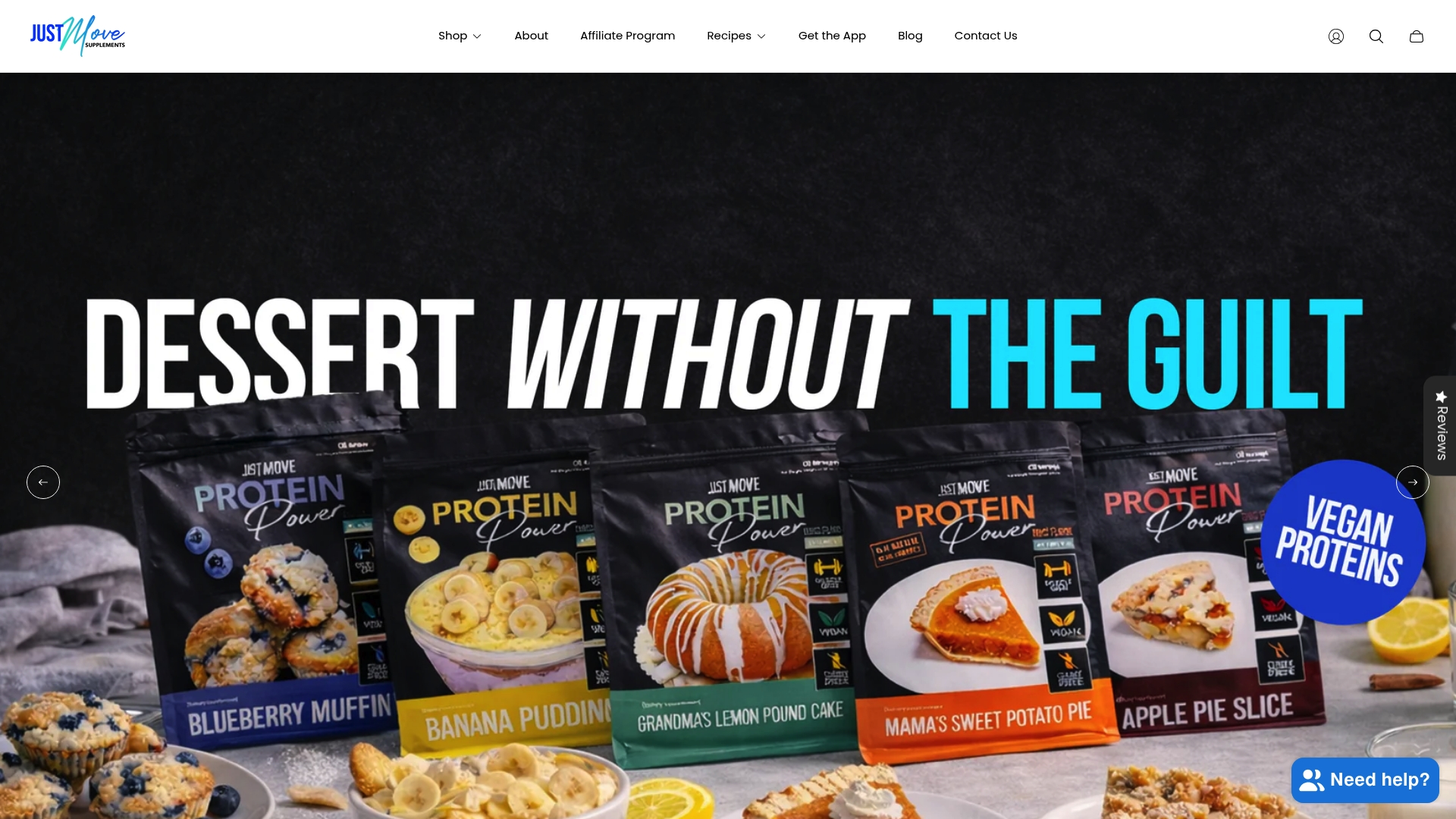
If your goals extend beyond mental clarity into body composition, Just Shred Green Apple Fat Burner is built for readers stacking performance nutrition with fat-loss support, crafted with the same attention to flavor and effectiveness found across the Justmovesupplements catalog. This article is published by Justmovesupplements, and while tyrosine itself isn’t part of our product lineup, our focus on quality protein and performance-driven supplements comes from the same evidence-first approach you’ve just read. Browse the protein sample collection to start your own low-commitment trial today.
Where to Read More on Tyrosine and Cognition
This article is general information, not a substitute for advice from a qualified doctor. Consult a qualified healthcare professional about your own circumstances before acting on anything here.
Sources
Recommended


