Appetite control supplements can provide modest, real-world benefits for some people, but the evidence varies dramatically depending on the product category. Prescription appetite suppressants have the strongest clinical backing, with some trials reporting average weight loss of 5% or more of starting body weight under medical supervision. For over-the-counter (OTC) and herbal options, the picture is more mixed: a handful of ingredients, particularly green tea extract and certain soluble fibers, show small but measurable effects in controlled trials, while many others show little to no consistent benefit. The single most important thing to understand before buying any supplement is that diet, protein intake, and behavioral strategies reliably outperform single-ingredient supplements for long-term appetite control.
Three things to know before you read further:
-
Effectiveness varies by category. Prescription medications outperform OTC supplements by a wide margin. Among natural options, green tea extract (EGCG) and soluble fibers have the most consistent, if modest, evidence.
-
Safety and regulation matter. Dietary supplements are not preapproved by the FDA for safety or efficacy. Some products have been found to contain unlabeled prescription drugs or harmful additives.
-
Consult a clinician first. Anyone with a medical condition, taking prescription medications, or who is pregnant or breastfeeding should speak with a healthcare provider before starting any appetite-control supplement.
Table of Contents
What are the main types of appetite-control supplements?
Not all appetite-control products work the same way, and the category a product falls into tells you a lot about what to expect from it.
The four main categories:
-
Prescription appetite suppressants (e.g., phentermine, topiramate combinations, GLP-1 receptor agonists): FDA-approved drugs prescribed for obesity management, typically for adults with a BMI of 30 or higher, or 27+ with a weight-related condition. These are regulated as drugs, not supplements.
-
OTC dietary supplements: Products sold without a prescription and regulated as foods under the Dietary Supplement Health and Education Act (DSHEA). They include capsules, powders, and teas marketed for weight loss or appetite reduction. No premarket FDA approval is required.
-
Fiber-based bulking agents (psyllium, glucomannan, guar gum): Soluble fibers that absorb water in the gut, slow gastric emptying, and increase feelings of fullness. They work mechanically rather than through central nervous system effects.
-
Protein-based satiety aids: Protein powders and meal replacements that leverage protein’s well-documented ability to reduce hunger hormones and extend satiety between meals.
-
Stimulants and botanical extracts (caffeine, green tea extract, bitter orange/synephrine, capsaicin): Ingredients that may influence energy expenditure, thermogenesis, or appetite signals, often through adrenergic pathways.
The mechanisms behind these categories differ meaningfully. Prescription drugs typically act on central appetite signals in the hypothalamus. Fiber and protein work peripherally, slowing digestion and influencing satiety hormones like peptide YY and ghrelin. Stimulants tend to increase thermogenesis and may suppress appetite short-term, though tolerance builds with regular use. Understanding which mechanism a product relies on helps you set realistic expectations before you spend a dollar on it.
What does the research actually show about effectiveness?
The honest answer is that the benefits of weight loss supplements depend heavily on which ingredient you are looking at, and most OTC options show only modest results in short-term trials.
Prescription medications remain the most consistently effective option. Clinical reviews report average weight-loss signals of 5% or more of starting body weight in many trials, which is clinically meaningful for people managing obesity-related conditions. That level of effect is simply not replicated by the OTC supplement market.
For OTC products, a small 8-week randomized trial found average weight loss of approximately 4.2 lbs in the supplement group versus 0.9 lbs in the placebo group, which sounds promising until you consider the study’s small sample size and short duration. Results like these rarely hold up at scale or over longer periods. A narrative review published in Nutrients found that many popular weight-loss supplements lack robust long-term clinical evidence, with benefits often relating to metabolic markers rather than sustained weight loss.
Key limitations in the existing research:
- Most positive trials are short (8–12 weeks), making long-term conclusions unreliable.
- Sample sizes are frequently small, limiting statistical power.
- Industry funding is common, introducing potential bias.
- Dosing across studies is inconsistent, making it hard to compare results.
- Many successful trials were conducted alongside structured diet programs, meaning the supplement effect cannot be cleanly separated from the dietary change.
Statistic to keep in mind: Americans spend over $2 billion a year on weight-loss dietary supplements. The evidence supporting most of those purchases is, in the words of one clinical review, “limited, inconclusive, and unconvincing.”
The clearest takeaway from the research is that non-supplement strategies — high-protein meals, viscous dietary fiber, adequate hydration, sleep, and exercise — reliably influence satiety signals and often outperform single-ingredient supplements for long-term appetite control.
Which ingredients have the best evidence, and what are the safety signals?
Here is a practical, ingredient-by-ingredient look at the most commonly marketed appetite-control compounds, including what the evidence shows and what to watch out for.
Mechanism: EGCG inhibits catechol-O-methyltransferase, which prolongs norepinephrine activity and increases thermogenesis. It also modestly influences fat oxidation.
Evidence: Meta-analyses report small but statistically significant reductions in body weight, BMI, and body-fat percentage. Among OTC ingredients, green tea extract has the most consistent clinical evidence for modest metabolic benefits.
Safety: A proposed upper limit of approximately 300 mg/day for purified EGCG has been suggested due to hepatotoxicity concerns. Green tea extract can also cause constipation, abdominal discomfort, nausea, and increased blood pressure. Drinking green tea as a beverage carries far lower risk than taking concentrated extracts.
Dosing note: Product labels vary widely. Always check the EGCG content per serving, not just the total green tea extract weight.
Glucomannan
Mechanism: A highly viscous soluble fiber from the konjac root. It absorbs water in the stomach, expanding to increase feelings of fullness and slow gastric emptying.

Evidence: Glucomannan can increase feelings of fullness and prolong gastric emptying, but shows little consistent effect on body-weight reduction across trials. A 2008 meta-analysis found a statistically significant but clinically modest weight loss of 0.79 kg; two more recent reviews found no statistically significant weight change compared to placebo.
Safety: Esophageal obstruction risk has been reported with some compressed-tablet formulations. Always take glucomannan with a full glass of water. GI side effects (bloating, flatulence, loose stools) are common.
Psyllium and other viscous fibers
Mechanism: Soluble fiber that forms a gel in the gut, slowing digestion, reducing ghrelin, and increasing peptide YY (a satiety hormone).
Evidence: Most human studies show no significant improvement in body weight with psyllium alone. However, a dose-response relationship has been noted: one study found that doses greater than 30 g of fiber per day produced the most robust weight-loss effect compared to placebo. A separate trial in patients with type 2 diabetes found that 10.5 g of psyllium daily for 8 weeks significantly reduced body weight, waist circumference, and hip circumference.
Safety: Generally well tolerated. Side effects are primarily gastrointestinal (flatulence, abdominal pain, diarrhea, constipation). Less fermentable than other fibers, so it causes less bloating than alternatives like guar gum.
Caffeine
Mechanism: Stimulates the central nervous system, increases thermogenesis, and may modestly suppress appetite short-term.

Evidence: Weight-loss supplements with caffeine might help you lose a small amount of weight, but tolerance develops with regular use, which can reduce any effect on body weight over time.
Safety: Safe for most adults at doses up to 400–500 mg/day. Higher doses can cause nausea, vomiting, rapid heartbeat, and seizures. Combining caffeine with other stimulants multiplies cardiovascular risk.
Bitter orange (synephrine)
Mechanism: Contains synephrine, a stimulant that may increase calorie burn and slightly reduce appetite. Often found in products that previously contained ephedra (banned by the FDA in 2004).
Evidence: Might slightly increase calories burned and modestly reduce appetite, but whether it produces meaningful weight loss is unknown.
Safety: Not considered safe by many clinicians. Can cause chest pain, anxiety, headache, faster heart rate, and higher blood pressure. Avoid if you have cardiovascular disease or hypertension.
Capsaicin/capsaicinoids
Mechanism: Activates TRPV1 receptors, which may reduce energy intake and increase lipid oxidation.
Evidence: Capsaicin may reduce energy intake and increase fat burning, but body-weight effects are inconsistent across trials and may be driven by small changes in intake or GI tolerance.
Safety: GI irritation is the most common side effect. Generally well tolerated at culinary doses; higher supplemental doses may cause stomach discomfort.
5-HTP
Mechanism: A precursor to serotonin. Increased serotonin activity in the hypothalamus may reduce appetite and carbohydrate cravings.
Evidence: Early trials showed some appetite-suppressing effects, but the evidence base is small and studies are short. More research is needed before strong conclusions can be drawn.
Safety: Can cause nausea, vomiting, and diarrhea. Potentially dangerous when combined with antidepressants (serotonin syndrome risk). Always disclose use to your prescriber.
Garcinia cambogia (HCA)
Mechanism: Hydroxycitric acid (HCA) is thought to decrease fatty acid synthesis, suppress appetite by increasing serotonin availability, and increase hepatic glycogen synthesis.
Evidence: A 2011 meta-analysis found HCA decreased weight by 0.88 kg on average compared to placebo, a statistically significant but clinically questionable result. Subsequent randomized controlled trials have failed to find a benefit.
Safety: Liver toxicity has been reported, including cases with garcinia cambogia alone. People with liver disease should avoid it.
Chitosan
Mechanism: A fiber derived from shellfish shells, claimed to bind dietary fat in the gut and reduce absorption.
Evidence: Some trials show a small amount of weight loss, but the effect is modest and inconsistent.
Safety: Avoid if you have a shellfish allergy. GI side effects are common.
Pro Tip: Check whether the dose in a retail supplement matches the dose used in the clinical trial that the product’s marketing references. Fiber-based supplements in particular are strongly dose dependent — trial doses frequently exceed what is in commercial servings.
What are the risks, side effects, and regulatory gaps you need to know?
Understanding the safety landscape for appetite-control supplements is just as important as knowing whether they work.
The regulatory reality: Under DSHEA, dietary supplements can be sold in the U.S. without premarket FDA approval for safety or efficacy. Manufacturers are responsible for their own product safety and labeling. This creates real variability in quality, ingredient purity, and testing standards. The FDA can act against a product after it reaches the market, but not before.
Common side effects by ingredient class:
-
Fiber-based supplements: Bloating, flatulence, abdominal cramping, diarrhea, constipation. Glucomannan tablets carry an esophageal obstruction risk.
-
Stimulants (caffeine, bitter orange, synephrine): Tachycardia, elevated blood pressure, anxiety, insomnia, headache. Risk increases when multiple stimulants are combined.
-
Green tea extract (EGCG): Liver damage in some cases, nausea, constipation, increased blood pressure.
-
Garcinia cambogia: Liver toxicity, headache, GI distress.
-
5-HTP: Nausea, diarrhea, potential serotonin syndrome when combined with antidepressants.
Adulteration is a real and documented problem. Dietary supplement makers rarely perform the large clinical trials typical of pharmaceuticals, and some marketed weight-loss supplements have been found to contain unlabeled prescription drugs or harmful additives. The FDA has issued warnings about specific weight-loss products containing undisclosed sibutramine (a withdrawn prescription drug), laxatives, and other substances not listed on the label.
Safety reminder: Fewer than one-third of U.S. adults who use weight-loss dietary supplements discuss this with a clinician, according to a clinical review published on the NCBI Bookshelf. That gap matters most for people on prescription medications, where undisclosed stimulants or serotonergic compounds in supplements can cause serious drug interactions.
Practical steps to reduce your risk:
- Look for third-party testing seals: USP (U.S. Pharmacopeia), NSF International, or Informed Sport.
- Request a certificate of analysis (COA) from the manufacturer.
- Avoid proprietary blends that hide individual ingredient doses.
- Report adverse events to the FDA’s MedWatch program.
Stop use and contact a clinician immediately if you experience: chest pain, heart palpitations, jaundice or yellowing of the skin, severe abdominal pain, or signs of an allergic reaction.
Who might actually benefit from appetite-control supplements?
The answer depends heavily on your health status, goals, and what you are already doing with your diet.
When prescription options are typically considered: Clinicians in the U.S. generally consider FDA-approved prescription appetite suppressants for adults with a BMI of 30 or higher, or a BMI of 27 or higher with at least one weight-related condition such as type 2 diabetes, hypertension, or sleep apnea. These thresholds are guidelines, not absolute rules, and the decision always involves a full clinical assessment.
Profiles that may see modest benefit from OTC options:
- Adults following a structured, calorie-controlled eating plan who want short-term support managing hunger between meals.
- People seeking improvements in metabolic markers (blood glucose, cholesterol) alongside modest weight management, where fiber-based supplements have some supporting evidence.
- Fitness-focused individuals using protein-based meal replacements as part of a high-protein dietary strategy, where the satiety benefit is well-supported by research.
Groups who should avoid OTC supplements or seek clinician clearance first:
- Pregnant or breastfeeding individuals (safety data is lacking for most ingredients).
- People with cardiovascular disease, uncontrolled hypertension, or arrhythmias (stimulant-containing products carry real cardiac risk).
- Anyone taking prescription medications, particularly antidepressants, blood thinners, or antihypertensives.
- People with a history of liver disease (avoid EGCG-heavy products and garcinia cambogia).
- Individuals with eating disorders.
Consult a clinician if you experience: any cardiovascular symptoms after starting a supplement, if you are on multiple medications, if you are considering use during pregnancy, or if you have a chronic condition that affects metabolism or organ function. Understanding how protein controls appetite through hormonal pathways is a useful starting point for building a food-first strategy before adding any supplement.
How do you evaluate and choose a safe, evidence-based supplement?
A practical checklist makes the process straightforward and helps you avoid products that are more marketing than medicine.
-
Confirm ingredient transparency. Every ingredient and its dose should be listed on the label. Avoid products that hide amounts behind “proprietary blends.”
-
Match the dose to the evidence. Look up the dose used in clinical trials for the key ingredient. If the product’s serving size is significantly lower, the evidence may not apply. Learning how to read supplement nutrition labels is a practical skill that pays off here.
-
Check for third-party testing. Look for USP, NSF International, or Informed Sport seals. These verify that what is on the label is actually in the product.
-
Review the manufacturer’s details. A credible company lists its manufacturing location, contact information, and quality certifications. GMP (Good Manufacturing Practice) certification is a baseline standard.
-
Ask your pharmacist about drug interactions. This is especially important for stimulant-containing products and anything with 5-HTP or synephrine.
-
Evaluate the return policy. A brand confident in its product typically offers a clear return or satisfaction policy.
-
Avoid stacking stimulants. If a product already contains caffeine, do not add another caffeinated supplement on top of it.
Questions to ask your healthcare provider or pharmacist:
- Does this ingredient interact with any of my current medications?
- Is this safe given my blood pressure or heart history?
- What is a reasonable trial period to assess whether it is working?
Pro Tip: Pair any appetite-control supplement with a high-protein meal plan and adequate hydration. Protein and fiber work synergistically to extend satiety, and supplements tend to show better outcomes in trials that include a structured dietary component.
A closer look at dosing: what the trials actually used for fiber and protein
One of the most overlooked gaps between clinical research and retail products is the dose. The table below compares typical doses used in positive clinical trials with what consumers commonly find in retail servings.
| Ingredient |
Typical clinical trial dose |
Common retail serving |
Key outcome at trial dose |
| Psyllium |
10.5 g/day (8-week trial) or >30 g fiber/day (dose-response study) |
3–5 g per serving |
Reduced body weight, waist circumference, hip circumference in type 2 diabetes trial; strongest weight effect above 30 g/day |
| Glucomannan |
2–4 g/day (across multiple trials) |
500 mg–1 g per serving |
Increased satiety, modest cholesterol reduction; inconsistent weight-loss results |
| Protein meal replacement |
— |
— |
Reduced hunger hormones, extended satiety; outcomes tied to total daily protein target |
The dose gap for fiber supplements is particularly significant. Fiber-based satiety aids show dose-dependent effects, and meaningful satiety often requires higher daily intakes than typical supplement servings provide. A product delivering 3 g of psyllium per capsule is not the same as the 10.5 g daily dose that produced measurable results in a controlled trial.
Protein meal replacements are a closer match between trial doses and retail servings, which partly explains why they tend to show more consistent real-world results. The satiety benefit of protein is well-established across a wide range of intakes, making it one of the more reliable appetite-reduction strategies available without a prescription. Practical meal prep strategies that center on protein and fiber can amplify these effects beyond what any single supplement achieves alone.
Practical implication: When a supplement’s marketing cites a clinical trial, check the trial’s daily dose. If the product delivers a fraction of that amount per serving, the evidence does not straightforwardly support the marketing claim. This is not a minor technicality. It is the difference between a product that might work and one that almost certainly will not at the dose you are taking.
For glucomannan specifically, the esophageal obstruction risk with tablet forms means powder or capsule forms taken with a full glass of water are the safer choice. High doses of any fiber supplement should be introduced gradually to minimize GI side effects.
Key Takeaways
Prescription appetite suppressants have the strongest clinical evidence, while most OTC supplements show only modest, inconsistent results that depend heavily on dose, diet quality, and individual health status.
| Point |
Details |
| Prescription vs. OTC gap |
Prescription appetite suppressants average 5% or more body-weight loss in clinical trials; most OTC supplements show modest, inconsistent results. |
| Dose matters for fibers |
Retail fiber servings often fall below trial doses; psyllium showed its strongest effect above 30 g fiber/day. |
| EGCG safety limit |
Green tea extract has the best OTC evidence but carries a proposed upper limit of ~300 mg/day of purified EGCG due to liver concerns. |
| Regulation gap |
Supplements are not FDA-preapproved; third-party seals (USP, NSF) and certificates of analysis are your best quality check. |
| Justmovesupplements option |
Just Shred Green Apple Fat Burner is one transparently labeled option for readers who decide a fat-burner supplement fits their plan. |
What actually matters when you use appetite-control supplements
The most common mistake people make with appetite-control supplements is treating them as a primary strategy rather than a supporting one. The research is consistent on this point: many successful satiety interventions in trials were implemented as part of a structured diet and behavior program. Single-ingredient supplementation without dietary change rarely mirrors those results.
What this means practically is that the supplement is not the plan. The plan is a high-protein, fiber-rich diet, consistent sleep, regular movement, and a realistic calorie target. A supplement can help you stay on that plan by reducing hunger between meals or supporting metabolic markers. It cannot replace the plan.
The “natural” label deserves particular scrutiny. Natural does not mean safe, and it does not mean proven. Bitter orange replaced ephedra in many products after the FDA banned ephedra in 2004, and bitter orange carries its own cardiovascular risk profile. Garcinia cambogia is derived from a fruit, yet liver toxicity cases have been documented. The source of an ingredient tells you nothing about its safety at supplemental doses.
Third-party testing is the single most useful quality filter available to consumers right now. A USP or NSF seal does not guarantee the product works, but it does mean what is on the label is actually in the bottle at the stated dose, without undisclosed contaminants. That baseline matters enormously when the regulatory framework does not require premarket proof of safety.
Give any supplement a defined trial window, typically 8–12 weeks at the clinically studied dose, while tracking your dietary intake and any side effects. If you see no measurable benefit and no improvement in how you feel, that is useful information. Stop, reassess, and consider whether a clinician-led approach is a better fit for your goals.
Justmovesupplements’ approach to fat-burning support
If you have worked through this article’s checklist and decided a fat-burner supplement fits your plan, Justmovesupplements offers one straightforward option worth considering: the Just Shred Green Apple Fat Burner. It is formulated with ingredients relevant to thermogenesis and appetite support, delivered in a clearly labeled serving with a flavor profile that makes daily use genuinely enjoyable rather than something you dread.
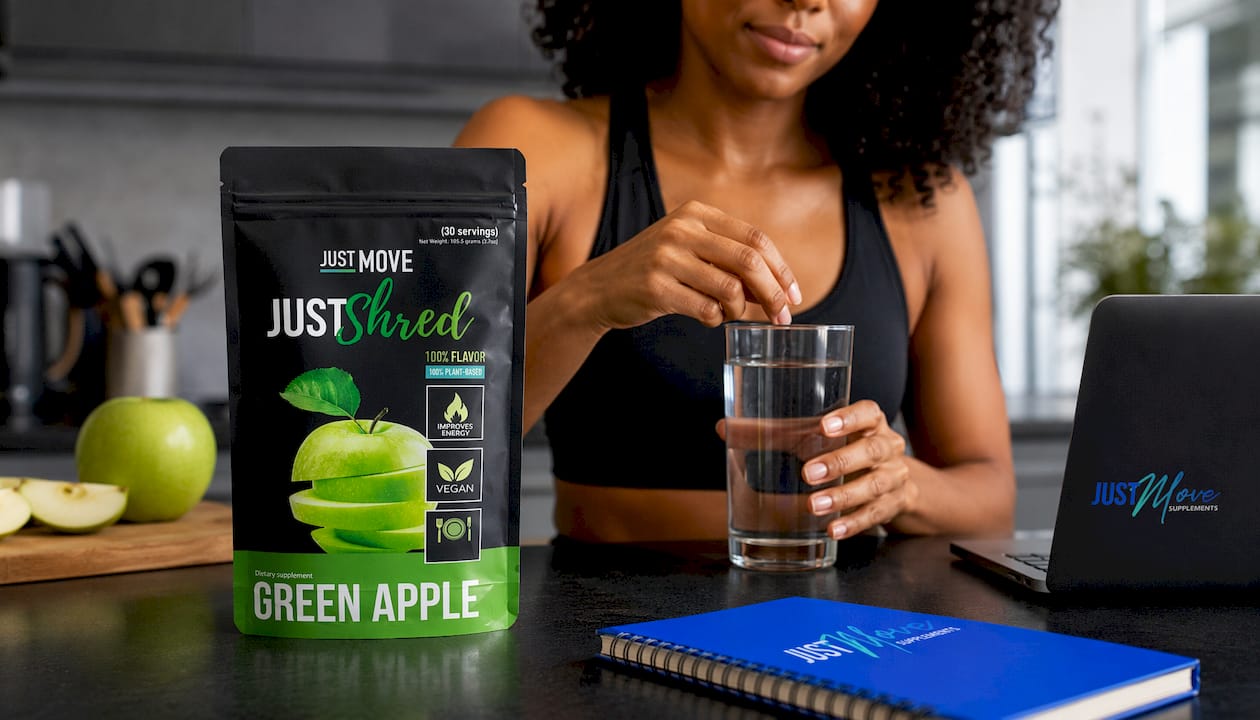
What sets Just Shred apart within the Justmovesupplements lineup is the same commitment to transparency that runs through every product: you know what you are getting, at what dose, with no hidden proprietary blends obscuring the key actives. That aligns directly with the checklist covered earlier in this article. Pair it with a high-protein eating plan, avoid stacking it with other stimulant-containing products, and stop use immediately if you experience any cardiovascular symptoms or GI distress.
Ready to add a trusted fat-burner to your weight-management plan? Check out the Just Shred fat burner and see how it fits alongside your current routine. As always, consult your healthcare provider before starting, especially if you are on prescription medications or managing a chronic health condition.
This article is general information, not medical or clinical advice. Confirm current guidelines and supplement suitability with a qualified healthcare provider for your specific situation.
Authoritative sources and further reading
-
Dietary Supplements for Weight Loss — Health Professional Fact Sheet (NIH/ODS): Comprehensive clinical review of ingredient-level evidence, dosing, and safety; the primary reference for this article’s ingredient profiles and dose table.
-
Dietary Supplements for Weight Loss — Consumer Fact Sheet (NIH/ODS): Accessible summary of the same evidence base, organized by ingredient with plain-language safety and efficacy ratings.
-
Obesity Supplements — StatPearls, NCBI Bookshelf: Peer-reviewed clinical reference covering mechanisms, trial evidence, and safety profiles for major weight-loss supplement ingredients.
-
Appetite Suppressants: Types and Effectiveness — Cleveland Clinic: Practical clinical guidance on prescription vs. natural appetite-suppression strategies, including behavioral and dietary approaches.
-
Dietary Supplements for Weight Management: A Narrative Review — Nutrients (MDPI): Peer-reviewed narrative review covering metabolic health benefits, safety signals, and evidence quality for a broad range of supplement ingredients.
-
Weight Loss Supplements — Mayo Clinic: Trusted clinical resource covering adulteration risks, realistic expectations, and the primacy of lifestyle change over supplementation.
-
Caralluma Fimbriata Extract and Appetite Control — PMC: Double-blind, randomized, placebo-controlled trial examining CFE’s effects on satiety biomarkers and body composition over 16 weeks in overweight adults.
Recommended


