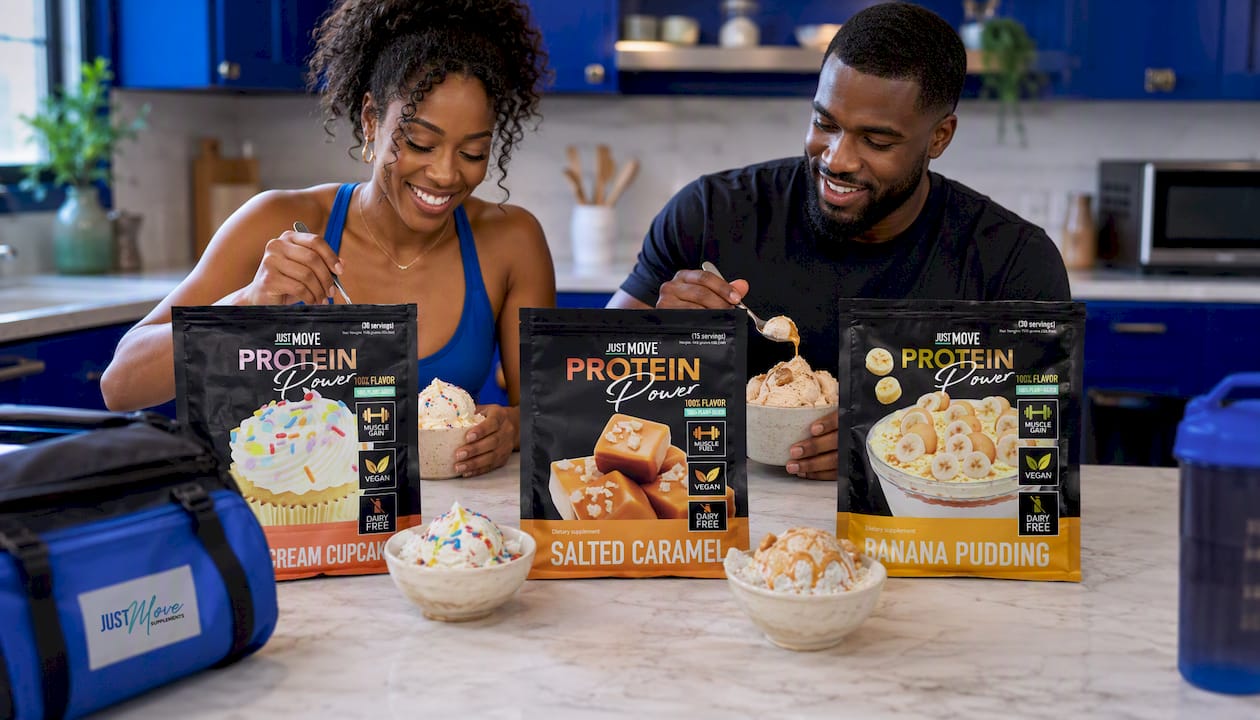
A Greek yogurt base delivers the creamiest, highest-protein result of any method you can build at home, and a banana no-churn base is your best dairy-free option. Both take under 15 minutes of hands-on work. Once you have the base down, try it with Buttercream Cupcake Protein, Salted Caramel Protein, or Banana Pudding Protein for dessert-style flavor without the added sugar.
TL;DR:
Greek yogurt provides the creamiest, highest-protein base, with about 20 grams of protein per half-cup serving when using the recommended ratios.
The banana no-churn method offers a dairy-free, quick option that delivers roughly 16 grams of protein per serving and requires no pre-freezing equipment.
Using unflavored collagen or whey isolate helps achieve a smoother texture, while allulose prevents ice crystal formation for easier scoopability.
Proper freezing techniques and regular stirring or respinning are crucial to avoid icy or gritty textures in no-machine or machine-made batches.
Flavor pairings such as Buttercream Cupcake and Salted Caramel proteins work best in yogurt or custard bases, with Banana Pudding ideal for the banana no-churn version.
Justmovesupplements
Bring More Flavor to Your Protein Desserts
Explore varied protein options crafted for taste and effectiveness, including protein powders designed for creative homemade treats.
The Master High-Protein Ice Cream Base You Can Build On
Every great homemade protein ice cream starts with the same ratio logic: enough dairy (or dairy alternative) for creaminess, enough protein powder for macros, and just enough sweetener and fat to keep it scoopable instead of rock-hard. Get this base right and you can flavor it a dozen different ways without rewriting the recipe.
Here’s the ratio that works across a standard 2-cup batch, which yields about four half-cup servings:
2 cups plain Greek yogurt (full-fat or 2% holds texture better than fat-free)
1/4 to 1/3 cup milk (dairy or unsweetened almond/oat milk, added gradually to reach a pourable consistency)
1 to 2 scoops protein powder (about 25 to 50 grams, depending on how dense you want the final protein count)
2 to 3 tablespoons sweetener (allulose is the standout choice here because it resists hardening in the freezer)
1 tablespoon fat (heavy cream, coconut cream, or nut butter, which meaningfully improves scoop texture)
A pinch of salt to sharpen the flavor
Blend everything until smooth but not foamy. Overblending whips air into the mix, which can make the frozen result taste airy or slightly grainy rather than dense and creamy, an effect Protein Dessert Lab notes as one of the most common no-machine mistakes.
From there, you have three paths:
Ice cream maker: Pre-freeze the bowl for at least 15 hours, then churn the mix for 20 to 25 minutes until it thickens to soft-serve consistency. Transfer to a container and freeze another 2 hours for scoopable texture.
Ninja Creami: Pour the blended base into the pint container, freeze flat for a full 24 hours, then run the “ice cream” or “lite ice cream” program. If it comes out powdery, a quick respin with a splash of milk almost always fixes it, a trick that works better than trying to reformulate the mix after the fact, according to Skinnytaste’s high-protein Ninja Creami recipe.
No machine: Pour into a shallow loaf pan, freeze, and stir every 30 to 45 minutes for the first 2 to 3 hours. That stirring schedule mimics what a churn does mechanically and is the single most effective step for avoiding large ice crystals when you skip the machine.
Skinnytaste’s own Greek yogurt Ninja Creami version lands even higher, at about 24 grams of protein per 3/4-cup serving.
Want a bigger batch? Scale linearly. Doubling the yogurt, milk, and protein powder gives you eight servings from the same ratios, no adjustment needed to sweetener or salt percentages.
Three Tested Protein Ice Cream Variations Worth Making
Once the master base feels routine, these three variations cover almost everything you’ll want to make on a regular rotation. Each one leans on a different piece of equipment or technique, so pick based on what you already own.
### Banana no-churn blender version
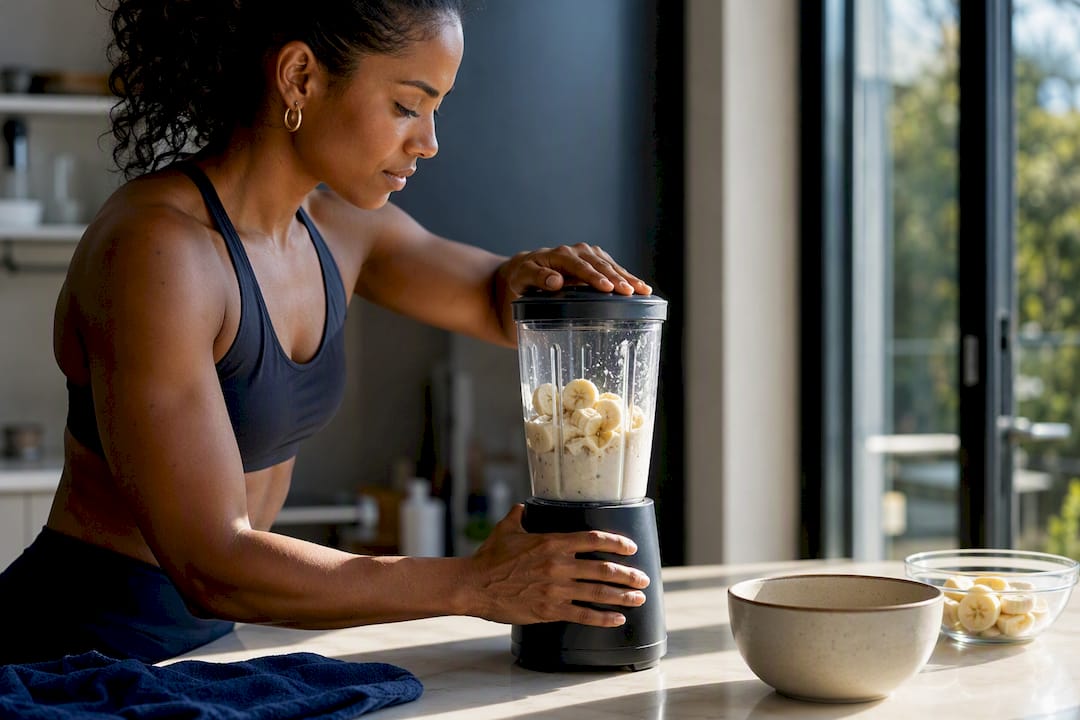
This is the fastest route to a scoop of protein ice cream, and it needs zero pre-freezing of equipment. Freeze two to three ripe bananas, sliced, for at least 4 hours. Blend them with 1/2 cup unsweetened plant milk and one scoop of vanilla or Banana Pudding Protein until the mixture turns thick and creamy, scraping down the sides as needed. Banana-based blends like this deliver roughly 16 grams of protein per serving when paired with a standard scoop of protein powder, and the natural banana sugars mean you can skip added sweetener entirely.
You can eat it immediately as soft serve, or transfer to a container and freeze for 1 to 2 hours if you want a firmer, scoopable texture. This is the variation to reach for on a weeknight when you want something in your bowl in under 10 minutes.
Greek yogurt cheesecake-style base
This version leans into tang and richness rather than sweetness, and it only needs four ingredients: Greek yogurt, a splash of milk, a scoop of unflavored collagen or whey isolate, and a sweetener of choice. Unflavored collagen is worth calling out specifically here, since it adds protein without competing against whatever flavor you’re building toward, a combination that several recipe developers describe as producing a genuinely cheesecake-like result. Blend, then churn using any of the three methods above. Expect around 12 grams of protein per serving from the collagen alone, closer to 20+ if you swap in a full protein scoop instead.
This is the base that pairs best with Buttercream Cupcake Protein, since the tang of the yogurt balances out the sweetness of the flavor rather than fighting it.
Custard-style Ninja Creami soft serve
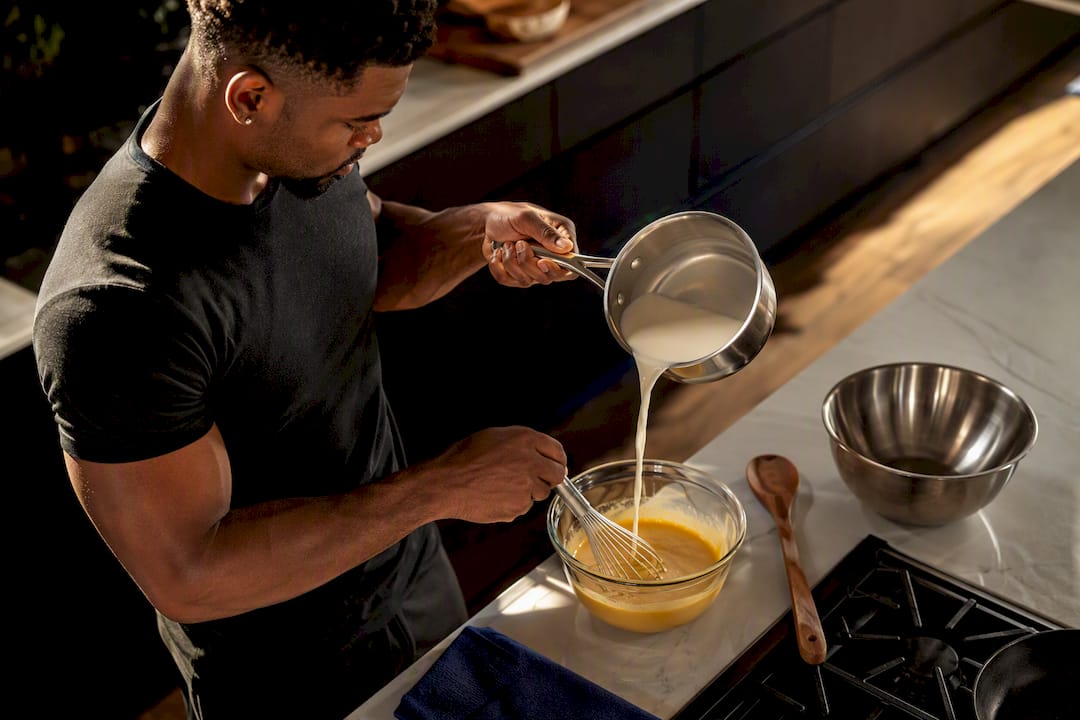
For a genuinely rich, ice-cream-shop texture, a custard base is worth the extra step. Temper hot milk into whisked egg yolks gradually, then cook the combined mixture gently until it reaches about 170°F, thick enough to coat a spoon but not curdled. Chill completely, whisk in your protein powder once the mixture is cold (adding it while hot can cause clumping or slight cooking of the protein), then freeze in your Ninja Creami container for 24 hours before running the ice cream program.
The extra egg fat gives this version a noticeably silkier mouthfeel than the yogurt or banana bases, at the tempering and cooking process laid out by Wholesome Yum. If the finished result comes out icy or crumbly rather than soft, run a respin cycle with a tablespoon or two of milk added before respinning; that’s usually faster than trying to fix a bad batch by hand.
Ingredient Swaps That Change Texture and Flavor
Not all protein powders behave the same once frozen, and that single choice affects your final texture more than almost anything else in the recipe.
Whey isolate freezes smoothest and is the safest default if you’ve never made protein ice cream before.
Plant-based protein can turn slightly gritty unless it’s finely milled and balanced with extra fat, so test a small batch first if that’s your only option.
Collagen freezes with almost no flavor or texture interference, making it ideal when you want protein without disrupting a delicate flavor like vanilla or banana.
Allulose is the top pick for sweetness because it resists the hard-freeze effect that regular sugar substitutes create.
Monk fruit and maple syrup work well for flavor layering but don’t offer the same scoopability benefit as allulose.
Coconut cream, silken tofu, or extra frozen banana are reliable dairy-free swaps for the fat and body that Greek yogurt normally provides.
For flavor pairing, Salted Caramel Protein works especially well folded into the custard base, where the egg richness plays against the caramel notes. Banana Pudding Protein is the obvious match for the no-churn banana variation. If you’re mixing a flavored powder into a recipe that already has strong flavors of its own, a quick guide to blending protein flavors can help you avoid clashing combinations before you commit a whole batch.
Which Equipment and Method Should You Use?
Your equipment decides more about your final texture than your recipe does, so match the method to what’s actually in your kitchen.
Blender or food processor: A high-speed blender handles frozen banana and liquid bases in 60 to 90 seconds; a food processor works too but may need a minute longer and more scraping down.
Ninja Creami: Freeze the base flat in the pint container for a full 24 hours, run the ice cream or lite ice cream setting, then respin with a splash of milk if the texture comes out powdery rather than smooth.
Ice cream maker: Pre-freeze the canister for 15 to 24 hours (check your model’s manual), then churn 20 to 25 minutes until soft-serve thick.
No-machine loaf pan method: Pour into a shallow container and stir every 30 to 45 minutes for the first few hours; skipping this step is the number one reason no-churn batches turn out icy.
How to Fix Common Texture Problems
Most protein ice cream failures come down to one of three things: not enough fat, too much sugar-based sweetener, or skipping the stir schedule during freezing.
Crumbly or powdery texture: Let the batch soften on the counter for 5 to 15 minutes, then respin (Ninja Creami) or reblend with a splash of milk until smooth.
Iciness: Add a tablespoon of fat next batch, swap in allulose for regular sweetener, or stir every 30 to 45 minutes during the first few hours of freezing.
Chalky or gritty flavor: Switch to unflavored whey or collagen, bump up vanilla extract or fat slightly, and taste-adjust sweetness before freezing.
Pro Tip:A tiny amount of glycerin, or even a teaspoon of rum in an adult-only batch, lowers the freezing point of the water in your mix just enough to keep it scoopable straight from the freezer, without changing the flavor when used sparingly.
Nutrition and Serving Guidance for Protein Ice Cream
The master Greek yogurt base runs roughly 180 to 220 calories and 20 to 24 grams of protein per half-cup serving, while the banana no-churn version comes in lighter on protein at around 16 grams per serving but with fewer added ingredients overall.
To scale macros, just multiply per-scoop protein content by however many scoops you use, then divide by total servings.
Keep toppings protein-forward and low in added sugar: a spoonful of natural peanut butter, a handful of berries, or crushed unsweetened cereal.
If you’re watching calories closely, stick to unflavored collagen or whey isolate rather than flavored blends, since flavored powders often carry a few extra grams of sugar per scoop.
How to Store and Serve Protein Ice Cream
Pack your finished batch into an airtight container, pressing the surface flat before sealing to limit air exposure. That single step meaningfully cuts down on freezer burn over time, and most homemade batches hold their best texture for about a month.
Freeze in a shallow, wide container rather than a deep one for faster, more even freezing.
Let a fully frozen batch sit at room temperature for 10 to 15 minutes before scooping.
If a batch has been in the freezer more than a couple of weeks, a quick reblend or Ninja Creami respin restores much of the original texture.
How Justmovesupplements Tests Flavor Pairings
Testing flavor pairings across dozens of recipe combinations shapes how Justmovesupplements recommends its protein powders for frozen desserts. Buttercream Cupcake Protein tends to shine in yogurt-based recipes, Salted Caramel Protein complements custard styles, and Banana Pudding Protein was practically built for the no-churn banana base. If you want to sample all three before committing to a full-size bag, the collections page is the easiest place to start.
## A Home Cook’s Take on What Actually Works
The biggest mistake I see in protein ice cream recipes online is treating protein powder like an afterthought you dump in at the end. Get the ratio and blending time right, and the texture difference between a gritty, disappointing batch and a genuinely creamy one is enormous. My own kitchen rotation leans on the Greek yogurt base nine times out of ten, simply because it forgives small measurement errors better than banana or custard versions do.
— Just
Try These Flavors in Your Next Batch
Justmovesupplements built its flavor lineup around exactly this kind of home baking experiment, so you don’t have to guess which powder will freeze well or taste right in a frozen dessert. If you’re making the Greek yogurt or custard base, Buttercream Cupcake Protein and Salted Caramel Protein both hold their flavor through freezing without turning artificial or overly sweet.
For the banana no-churn version, Banana Pudding Protein is the obvious pairing, and it’s already engineered to taste like dessert rather than a workout shake. If you’re not sure which flavor fits your usual recipe rotation, the protein sample pack lets you try smaller portions of multiple flavors before buying a full bag, which takes the guesswork out of a $30-plus purchase. Once you know your favorite, you can shop the full protein lineup and stock up for your next batch. And if you want a ready-made recipe to start with, the protein-packed frosty dessert recipe using Just Move Supplements products is a solid first project.
Blend Greek yogurt, milk, protein powder, a sweetener like allulose, and a touch of fat, then freeze it using an ice cream maker, a Ninja Creami, or a stirred no-machine method in a loaf pan.
What is the best base for protein ice cream?
Greek yogurt gives the best balance of creaminess and protein content, while frozen banana is the strongest dairy-free alternative for a quick no-churn version.
Can I just add protein powder to plain ice cream?
You can, but stirring raw protein powder into store-bought ice cream often turns gritty or clumpy once refrozen; blending it into a fresh yogurt or banana base gives a much smoother result.
Is protein ice cream actually healthy?
A homemade batch built on Greek yogurt or banana typically runs 180 to 220 calories with 16 to 24 grams of protein per serving and far less added sugar than store-bought ice cream, making it a reasonable fit for most macro-aware diets.
Which Justmovesupplements flavor works best for protein ice cream?
Buttercream Cupcake Protein and Salted Caramel Protein both hold up well in yogurt and custard bases, while Banana Pudding Protein is the natural match for a no-churn banana recipe.
Find the right pre workout timing: 30 to 60 minutes for caffeine, 2 to 3 hours for nitrates. Use the three session test (20, 40, 60 minutes) to find your...
Consuming this product can expose you to chemicals including
Lead, which is known to the State of California
to cause cancer and birth defects or other reproductive harm.