In the fitness world, “protein mass” means one thing: building lean muscle through consistent dietary protein and resistance training. For most people actively lifting weights, the evidence-based daily target covers a general range of about 1.6 to 2.2 grams of protein per kilogram of body weight. Intakes above this range offer diminishing returns for healthy adults.
Three actions to start today:
-
Calculate your target. Multiply your bodyweight in kg by 1.6 (minimum) and 2.2 (upper end) to get your daily gram range.
-
Distribute protein across meals. Aim for 3–5 meals with 25–40 g of protein each rather than loading it all into one sitting.
-
Use supplements strategically. Whole foods come first; protein powders or mass gainers fill gaps when food intake falls short.
Stat: Meta-analytic data shows protein supplementation augments lean mass gains, with a pooled plateau near 1.62 g/kg/day — though the confidence interval extends to ~2.2 g/kg, confirming that individual needs vary.
Table of Contents
What does “protein mass” actually mean?
The phrase carries two very different meanings depending on context, and mixing them up creates real confusion.
In biochemistry, “protein mass” refers to a molecule’s molecular weight, measured in Daltons (Da) or kilodaltons (kDa). Lab techniques like SDS-PAGE and Western blot use this measurement to identify and separate proteins by size. It has nothing to do with muscle.
In fitness, “protein mass” is shorthand for increasing lean muscle mass through dietary protein and resistance training. That is the meaning this article addresses throughout.
| Context |
Measure |
Units |
Why it matters to you |
| Biochemical / lab |
Molecular weight of a protein molecule |
Daltons (Da) / kilodaltons (kDa) |
Relevant only in laboratory science; not a fitness metric |
| Fitness / nutrition |
Lean muscle tissue gained via diet and training |
Pounds (lb) or kilograms (kg) of body mass |
The practical goal for anyone lifting weights and tracking protein intake |
Understanding this distinction matters because some supplement marketing blurs the two, using scientific-sounding language to imply precision that does not apply to your gym results.
How protein drives muscle growth
Protein builds muscle through a process called muscle protein synthesis (MPS): your body breaks dietary protein into amino acids, uses them to repair and build muscle fibers damaged by resistance training, and the net result over time is more lean tissue. Without adequate protein, training stimulus alone cannot produce meaningful hypertrophy.
The mechanism runs through a few key steps:
-
Amino acid availability. After a protein-containing meal, blood amino acid levels rise, signaling muscle cells that building materials are present.
-
Leucine triggers mTOR. Leucine is the amino acid that activates the mTOR pathway, the primary molecular switch for MPS. Each meal needs roughly 2.5–3 g of leucine to reliably flip that switch.
-
Pulsed MPS response. MPS peaks within a few hours of a protein meal and then returns to baseline, a phenomenon sometimes called the “muscle full” effect. Spreading protein across multiple meals keeps MPS elevated more consistently than one large dose.
-
Training as the amplifier. Protein alone does not build muscle. The ACSM’s 2026 position stand, which synthesized more than 137 systematic reviews, confirms that resistance training is the primary driver of gains. Protein is the raw material; training is the signal.
Pro Tip: Don’t skip the leucine math. A 30 g serving of whey typically delivers 2.5–3 g of leucine and reliably activates MPS. A 30 g serving of pea protein delivers less, so plant-based lifters often need a larger total serving or a blended source to hit the same threshold.
How much protein do you need to build muscle?
The direct answer: 1.6–2.2 g/kg/day (0.7–1.0 g/lb/day) covers the needs of most people doing progressive resistance training. Going above 2.2–2.5 g/kg adds minimal benefit for most healthy adults under normal training conditions.
Worked examples
-
70 kg (154 lb) lifter: 112–154 g protein/day. A practical target is 130–140 g.
-
80 kg (176 lb) lifter: 128–176 g protein/day. Aim for 150–160 g on training days.
-
90 kg (198 lb) lifter: 144–198 g protein/day. A 170–180 g target is realistic and sustainable.
When to aim for the upper end
Several factors push your needs toward 2.2 g/kg or slightly above:
-
High training volume. More weekly sets mean more muscle damage and higher amino acid demand.
-
Caloric deficit. During a cut, protein needs rise to protect lean mass. Some position statements recommend up to 2.3–3.1 g/kg of lean body mass during aggressive deficits. Understanding protein sparing becomes especially relevant here.
-
Older adults. Muscle protein synthesis becomes less sensitive to lower amino acid doses with age, so adults over 50 often benefit from targeting the higher end of the range.
-
Plant-based diets. Lower leucine density in most plant proteins means total daily grams should trend higher to compensate.
Stat: A 2022 PubMed systematic review and meta-analysis on protein intake and muscle gain is among the most cited primary sources for these ranges, providing the research backbone for the 1.6–2.2 g/kg recommendation.
Pro Tip: Use the lower end of the range (1.6 g/kg) as your floor, not your ceiling. Most lifters who struggle to gain muscle are simply not hitting that floor consistently, not failing to exceed 2.2 g/kg.
How to time and distribute protein across the day
Hitting your daily gram target matters most, but how you spread those grams across meals has a real impact on cumulative MPS. Distributing protein across 3–5 meals with roughly 25–40 g per meal produces a larger total MPS response than concentrating the same amount in one or two large servings.
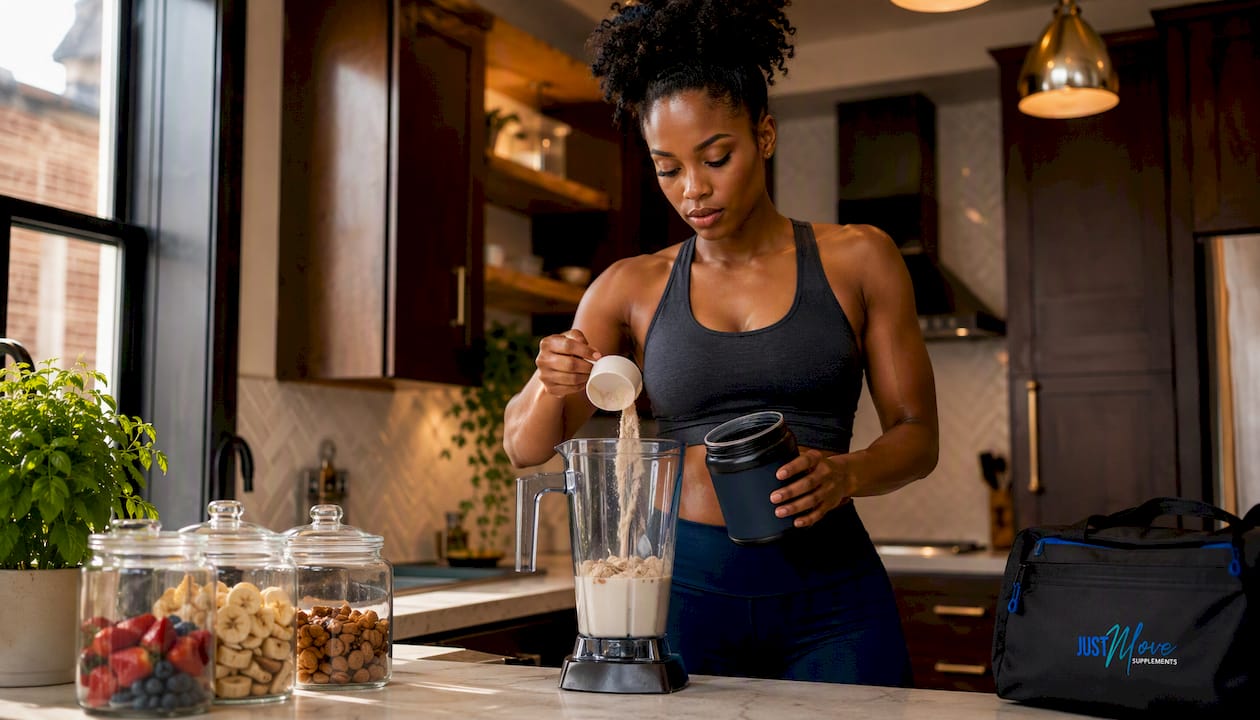
A practical per-meal target is 0.4–0.55 g/kg of body weight per meal. For an 80 kg person, that works out to 32–44 g per meal, which is achievable with a chicken breast, a cup of Greek yogurt, or a standard protein shake.
Leucine per meal
Each meal should deliver at least 2.5–3 g of leucine to reliably activate MPS. Animal proteins and soy isolate are the most leucine-dense options per gram. Here is a sample day for an 80 kg lifter targeting 160 g of protein:
-
Breakfast (7 AM): 4 eggs + 1 cup cottage cheese = ~38 g protein
-
Mid-morning (10 AM): Protein shake (1 scoop whey) = ~25 g protein
-
Lunch (1 PM): 6 oz grilled chicken breast + legumes = ~45 g protein
-
Pre/post-workout (5 PM): Greek yogurt or second shake = ~25 g protein
-
Dinner (8 PM): 5 oz salmon + vegetables = ~30 g protein
Total: ~163 g
Workout timing
The “anabolic window” is real but wider than the old 30-minute dogma suggests. Consuming protein within 1–2 hours before or after training is sufficient. Pre-workout protein primes amino acid availability; post-workout protein supports repair. Both matter, but neither requires a stopwatch. Why protein intake frequency matters is a deeper read on this topic if you want the full picture.
Pro Tip: If you train fasted in the morning, prioritize a protein-rich meal or shake within 60 minutes of finishing. The post-workout window is most relevant when you have not eaten for several hours before training.
Which protein sources are best for building lean mass?
Not all proteins deliver the same results per gram. Leucine density, digestibility, and absorption speed all influence how effectively a source supports MPS.
| Protein source |
Leucine density |
Digestion speed |
Best use case |
| Whey isolate/concentrate |
High (~10% leucine) |
Fast |
Post-workout, morning, between meals |
| Casein |
Moderate (~9% leucine) |
Slow |
Before bed, long gaps between meals |
| Soy isolate |
Moderate (~8% leucine) |
Medium |
Complete plant-based option |
| Pea protein |
Lower (~8% leucine) |
Medium |
Plant-based; blend with rice for full amino profile |
| Eggs |
High |
Medium |
Whole food; versatile and affordable |
| Lean meats / fish |
High |
Medium |
Whole-food staple for most meals |
| Low-fat dairy |
High |
Medium-fast |
Greek yogurt, cottage cheese; convenient and leucine-rich |
Practical whole-food sources that reliably deliver high-quality protein include lean meats, low-fat dairy, eggs, and fish. Plant sources like pea and hemp protein are useful but may require higher total grams to reach leucine targets per meal.
Key practical points:
- A 3 oz serving of chicken breast delivers roughly 26 g protein with strong leucine content.
- Two large eggs provide about 12 g protein; three eggs get you close to the leucine threshold on their own.
- Greek yogurt (1 cup) delivers 17–20 g protein and is one of the most convenient high-protein foods available.
- Cottage cheese (1 cup) provides 25–28 g protein and contains casein, making it a solid pre-sleep option.
Pro Tip: Plant-based lifters: combine pea and rice protein in a 70/30 ratio to approximate the amino acid profile of whey. Or simply increase total daily grams by 10–15% to compensate for lower leucine density per serving.
Mass gainers vs. protein powders: which one do you need?
These two supplement categories solve different problems. Choosing the wrong one for your situation wastes money and can work against your goals.
Standard protein powders are concentrated protein sources with minimal carbohydrates and fats. A typical serving delivers 20–30 g protein and 100–150 calories. They are designed to help you hit your daily protein target without adding significant calories beyond what you need.
Mass gainers are high-calorie blends combining protein, carbohydrates, and fats. A single serving can deliver 600–1,200 calories and 40–60 g protein. They exist specifically for people who struggle to eat enough total calories to support muscle growth.
| Feature |
Standard protein powder |
Mass gainer |
| Protein per serving |
20–30 g |
40–60 g |
| Calories per serving |
100–150 kcal |
600–1,200 kcal |
| Primary protein source |
Whey, casein, soy, pea |
Whey, casein (with carb/fat blend) |
| Best use case |
Lean bulk, post-workout, hitting daily protein target |
Hard-gainers, very high calorie needs, difficulty eating enough |
| Cost / value |
Lower cost per gram of protein |
Higher cost; calorie-dense but less protein-efficient per dollar |
When to use each:
-
Use a standard protein powder if you are eating enough calories but struggling to hit your protein target through whole foods alone. A protein shake vs whole food comparison can help you decide when a shake makes more sense than a meal.
-
Use a mass gainer if you are a hard-gainer who consistently falls 500+ calories short of your daily target despite eating full meals.
-
Avoid mass gainers if you are already in a caloric surplus or prone to fat gain; the extra calories will go to fat, not muscle.
A short safety note: mass gainers can cause GI discomfort in some people due to their high carbohydrate content, particularly lactose-containing formulas. Start with a half serving to assess tolerance.
Stat: Meta-analytic evidence shows protein supplementation augments fat-free mass (lean mass) gains, with a pooled plateau around 1.62 g/kg/day — though the confidence interval extends to ~2.2 g/kg, confirming that individual needs vary.
Justmovesupplements offers a protein sample variety pack that lets you test multiple protein types and flavors before committing to a full-size purchase. For lifters who want to find the right protein source for their goals and taste preferences, that low-risk entry point is genuinely useful.
A practical daily plan to increase lean mass
Follow these steps to put the guidance above into a working system.
-
Calculate your protein target. Multiply your bodyweight in kg by 1.6 (floor) and 2.2 (ceiling). Pick a number in that range based on training volume and whether you are in a surplus or deficit.
-
Set a modest calorie surplus. For lean gains, aim for 200–300 kcal above your maintenance level. Larger surpluses accelerate fat gain without meaningfully speeding up muscle growth.
-
Choose your protein sources. Prioritize whole foods: lean meats, eggs, dairy, and fish for most meals. Add a protein powder serving where whole-food intake falls short.
-
Plan 3–5 protein-containing meals. Each meal should deliver 25–40 g of protein. Use the sample day in the timing section as a starting template.
-
Schedule resistance training. Aim for 3–5 sessions per week with progressive overload. Protein without training stimulus produces no meaningful muscle growth.
-
Add a supplement slot if needed. A mid-morning or post-workout shake using a quality protein powder fills gaps without disrupting whole-food meals. Using protein powder as a nutritious meal is a practical option when time is tight.
Monitoring your progress
-
Weekly bodyweight trend. Weigh yourself at the same time each day for 7 days and average the readings. A gain of 0.25–0.5% of bodyweight per week signals a lean bulk on track.
-
Strength metrics. Track your working weights on key lifts (squat, bench, row). Consistent strength progression is the most reliable early indicator that muscle is being built.
-
Body composition checks. Monthly progress photos and optional skinfold or DEXA testing give a clearer picture than scale weight alone.
-
Adjust every 4 weeks. If weight is not moving, add 100–200 kcal. If fat gain is too fast, reduce the surplus or tighten protein distribution.
If you hit a progress plateau despite consistent training and protein intake, a structured approach to breaking through a weight loss or body-composition plateau can help you identify what to adjust.
What are the risks of eating too much protein?
Healthy adults following the evidence-based range of 1.6–2.2 g/kg/day face minimal risk. The concerns worth knowing about are real but often overstated.
-
Kidney concerns — For people with healthy kidneys, high protein intake does not cause kidney damage. The caution applies specifically to individuals with preexisting kidney disease, for whom high protein loads can accelerate decline. If you have any history of kidney issues, consult a clinician before significantly increasing protein intake.
Pro Tip: If you experience persistent GI distress after adding a protein supplement, switch protein sources before assuming the dose is the problem. Whey concentrate is a common culprit; whey isolate or a plant-based blend often resolves the issue.
This article is general information, not medical advice. Consult a qualified healthcare professional before making significant dietary changes, especially if you have a preexisting health condition.
How long before you see real muscle gains?
Measurable changes in lean mass take time, and the timeline depends heavily on training experience.
-
Beginners (0–1 year of consistent training): Noticeable strength and size changes often appear within 4–12 weeks of starting a structured program. Beginners respond faster because their neuromuscular system and muscle protein synthesis machinery are highly sensitive to new training stimuli.
-
Intermediate lifters (1–3 years): Visible changes take longer, typically 8–16 weeks per meaningful phase. Monthly progress photos and strength logs become the most reliable tracking tools.
-
Advanced lifters (3+ years): Gains slow significantly. Expect months of consistent work for small but meaningful changes in body composition.
A lean bulk targeting 0.25–0.5% of bodyweight gain per week minimizes fat accumulation while still providing enough of a surplus for muscle growth. At 80 kg, that is 0.2–0.4 kg per week, or roughly 0.8–1.6 kg per month.
Stat: Beginners typically see measurable improvements faster than advanced trainees, and higher weekly training volume increases protein demand, meaning your intake target should scale with your program intensity over time.
Body composition testing every 4–8 weeks (DEXA, skinfold calipers, or bioelectrical impedance) gives a clearer picture than scale weight. Strength progression on compound lifts remains the most accessible and reliable early signal that the plan is working.
What does the research actually say?
The recommendations in this article are grounded in the highest-quality evidence available, not marketing claims.
-
Systematic review and meta-analysis (PubMed, 2022). The 2022 meta-analysis on protein intake and muscle gain is one of the most cited primary sources for the 1.6–2.2 g/kg/day range. It confirms that protein supplementation augments lean mass gains and that a plateau exists around 1.62 g/kg in pooled data, with individual variation extending the useful range to ~2.2 g/kg.
-
ACSM 2026 position stand. The American College of Sports Medicine’s 2026 guidelines, synthesizing more than 137 systematic reviews, reinforce that resistance training consistency is the primary driver of hypertrophy. Protein is the essential nutritional co-factor, not a substitute for training effort.
-
Researcher guidance. Dr. Stuart M. Phillips, a leading researcher in protein metabolism and muscle physiology, consistently emphasizes that consistency in both training and protein intake matters more than optimizing any single variable. Chasing a “perfect” program while neglecting daily protein distribution is a common and costly mistake.
Practical implications from the evidence:
- 1.6–2.2 g/kg/day captures the majority of muscle-building benefit for most lifters.
- Higher intakes (up to 2.3–3.1 g/kg of lean body mass) are justified during aggressive caloric deficits.
- Per-meal leucine threshold (~2.5–3 g) is a reliable quality filter for protein source selection.
- Clinicians and practitioners should reference the 2022 PubMed meta-analysis and the ACSM 2026 position stand as primary sources for patient or client guidance.
Key Takeaways
Building lean muscle through targeted protein intake is straightforward when you know your daily range, distribute protein across meals, and pair consistent nutrition with progressive resistance training.
| Point |
Details |
| Daily protein target |
Aim for 1.6–2.2 g/kg/day (0.7–1.0 g/lb); intakes above 2.2–2.5 g/kg offer diminishing returns for most healthy adults. |
| Per-meal distribution |
Spread protein across 3–5 meals with 25–40 g per meal to maximize cumulative MPS throughout the day. |
| Mass gainers vs. powders |
Use standard protein powders for lean bulks; reserve mass gainers for hard-gainers who consistently fall 500+ kcal short of daily needs. |
| Safety and upper limits |
Healthy adults tolerate the evidence-based range well; the kidney caution applies only to those with preexisting kidney disease. |
| Justmovesupplements |
The protein sample variety pack lets you test multiple protein types and flavors before committing, making it a practical first step for any lean-mass plan. |
What most people get wrong about building protein mass
The conventional wisdom says “eat more protein and lift more.” That is not wrong, but it misses the variable that actually separates people who gain lean mass consistently from those who spin their wheels for months.
The real issue is distribution, not just total grams. Most people who struggle to build muscle are already eating close to their daily protein target. What they are not doing is spreading that protein across enough meals to keep MPS elevated. Two large protein meals a day, even if they add up to 160 g, produce a weaker cumulative MPS response than four meals of 40 g each. The biology here is clear: MPS is a pulsed response, not a running total.
The second underrated factor is the leucine threshold. A meal that delivers 30 g of protein from a low-leucine source may not reliably activate mTOR, while 25 g from whey or eggs almost certainly will. Choosing protein sources with high leucine density per gram is not obsessive detail work; it is the difference between a meal that builds muscle and one that simply provides calories.
Supplements fit into this picture as tools, not solutions. A quality protein powder from Justmovesupplements used at the right meal slot, specifically the one where whole-food intake is lowest, closes the gap without adding unnecessary calories. The sample pack approach makes particular sense here: testing flavors and protein types before buying in bulk means you actually use the product consistently, which is the only thing that matters.
Justmovesupplements protein options for your lean-mass plan
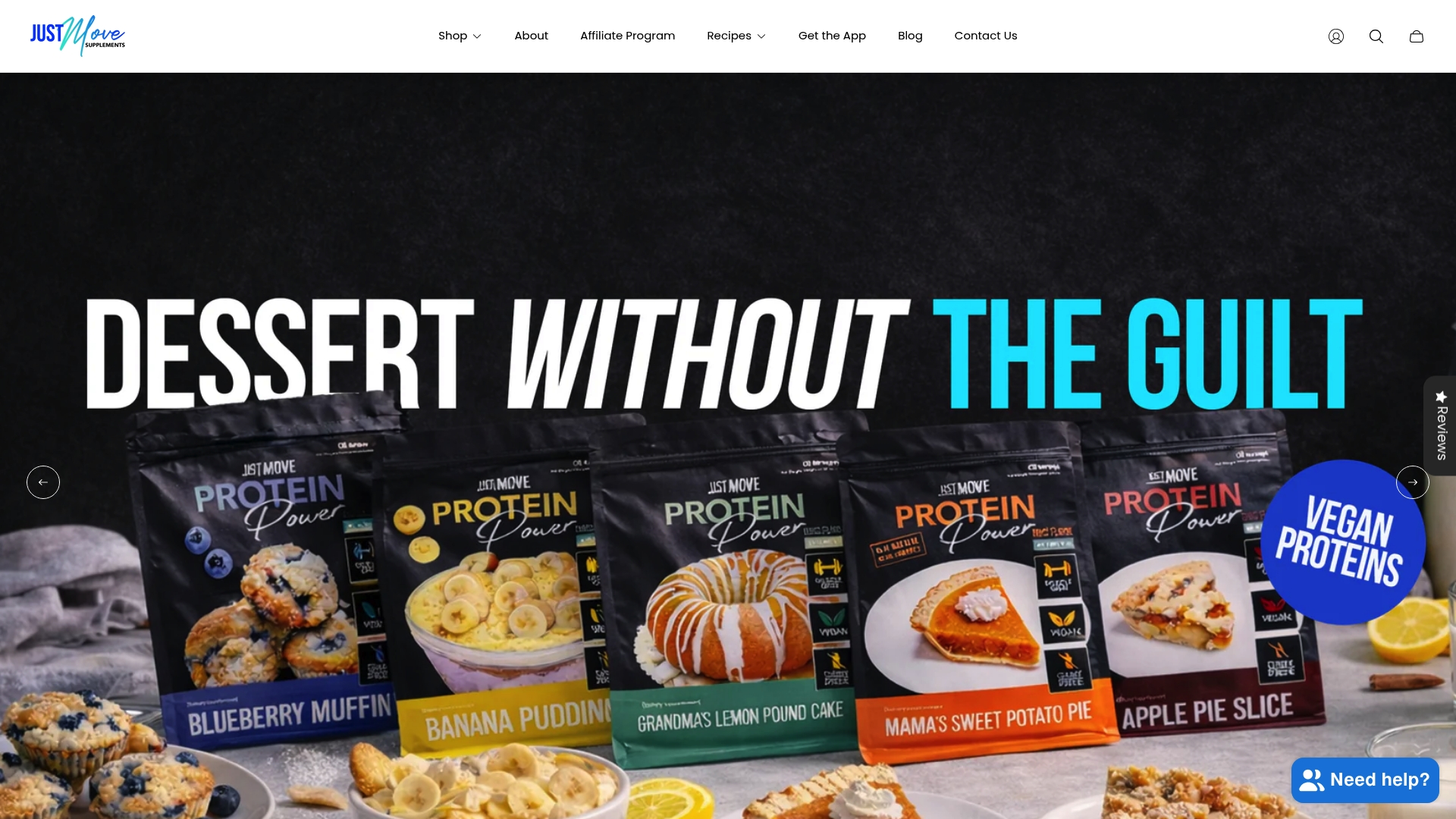
Hitting your daily protein target is easier when the products you use actually taste good. Justmovesupplements offers protein powders, sample packs, and protein bundles designed for fitness enthusiasts who want quality, variety, and results without the guesswork of committing to a full-size tub before knowing if the flavor works for them.
The 7-flavor protein sample variety pack is the lowest-friction way to start. You get multiple protein types and flavors in single-serving sizes, so you can identify what fits your palate and your protein goals before buying in bulk. For those ready to commit, the protein variety bundle delivers more servings at better value.
Justmovesupplements also carries the Just Shred Green Apple Fat Burner for athletes pairing a lean bulk with a body-composition focus. Browse the full range at justmovesupplements.com and find the products that fit your plan.
Useful sources and further reading
The recommendations in this article draw from the following primary sources. Each is worth bookmarking if you want to go deeper.
| Source |
What it covers |
| PubMed 2022 systematic review and meta-analysis |
The most cited primary source for the 1.6–2.2 g/kg/day range; pooled data on protein supplementation and lean mass gains |
| ACSM 2026 resistance training guidelines |
Synthesizes 137+ systematic reviews on resistance training; confirms training consistency as the primary hypertrophy driver |
| Harvard Health: Building better muscle |
Accessible overview of muscle loss with age and the role of protein and weight training in reversing it |
| Cleveland Clinic: tips to build muscle |
Practical guidance on timelines (4–12 weeks for beginners) and the balance between protein, hormones, and recovery |
| Proteiniq: Protein parameters and definitions |
Explains the biochemical meaning of protein molecular weight in Daltons/kDa for readers who encountered the lab-science usage |
Recommended


