A handful of fat burner ingredients, namely caffeine, green tea catechins, protein, and soluble fiber, have real but modest research support for nudging metabolism or appetite in a helpful direction. None of them replace a calorie deficit or exercise, and several popular stimulant ingredients carry real safety risks. Talk to a healthcare provider before starting anything stimulant-based, especially if you take blood pressure or psychiatric medication.
TL;DR:
Most fat burner ingredients like green tea extract and carnitine have limited and inconsistent evidence supporting significant fat loss.
Stimulants such as yohimbine and synephrine carry higher safety risks, including increased blood pressure and anxiety, especially when combined with other stimulants.
Accurate label reading, including checking for exact dosages and third-party testing, is essential to avoid hidden dosages and unsafe ingredient combinations.
Tolerance to stimulant effects develops over time, making long-term fat loss effects minimal without cycling off or combining with sustainable diet and exercise practices.
Non-stimulant ingredients like protein and soluble fiber tend to be more effective and sustainable for appetite control and long-term weight management.
Justmovesupplements
justmovesupplements.com
Choose Supplements With Confidence
Explore protein powders, fat burners, and energy supplements crafted with taste and effectiveness in mind for your fitness goals.
Fat Burner Ingredients: What’s Actually in the Bottle
Walk down any supplement aisle and you’ll see the same rotating cast of characters on fat burner labels, usually dressed up with names like “thermogenic complex” or “metabolic accelerator.” Strip away the marketing, and most formulas draw from a short list of compounds. Here’s what each one is actually claimed to do.
Caffeine. The most reliable stimulant in the category. It triggers the release of adrenaline, which can modestly boost calorie burn and blunt appetite for a few hours. Typical fat burner doses run in a range similar to a strong cup of coffee.
Green tea extract / EGCG. Green tea’s catechins, especially epigallocatechin gallate, are often paired with caffeine because the two appear to work better together than either does alone. Extract-dose consistency is a real problem here, since products vary widely in how much EGCG they actually deliver per capsule, according to a systematic review of green tea trials.
L-carnitine. Your body already uses carnitine to shuttle fatty acids into mitochondria for burning. That biological role sounds convincing, but supplemental carnitine hasn’t consistently translated into extra fat loss in human trials, per the NIH Office of Dietary Supplements.
Protein (whey or plant-based). Not a stimulant at all, protein works indirectly. It increases satiety, which helps you eat less without feeling deprived, and it protects lean muscle while you’re in a calorie deficit.
Soluble fiber (glucomannan). This fiber absorbs water in your gut and expands, which can extend fullness and slightly reduce how much fat and calories your body absorbs from a meal. Start with smaller doses since it can cause bloating or gas if you ramp up too fast.
Yohimbine and plant stimulants (synephrine, bitter orange). These act on adrenaline receptors more aggressively than caffeine and carry a noticeably higher risk profile, including anxiety and blood pressure spikes.
CLA, forskolin, and chromium. All three show up in fat burner formulas regularly, and all three have thin, inconsistent evidence behind them. Some small studies hint at modest effects; plenty of others find nothing meaningful.
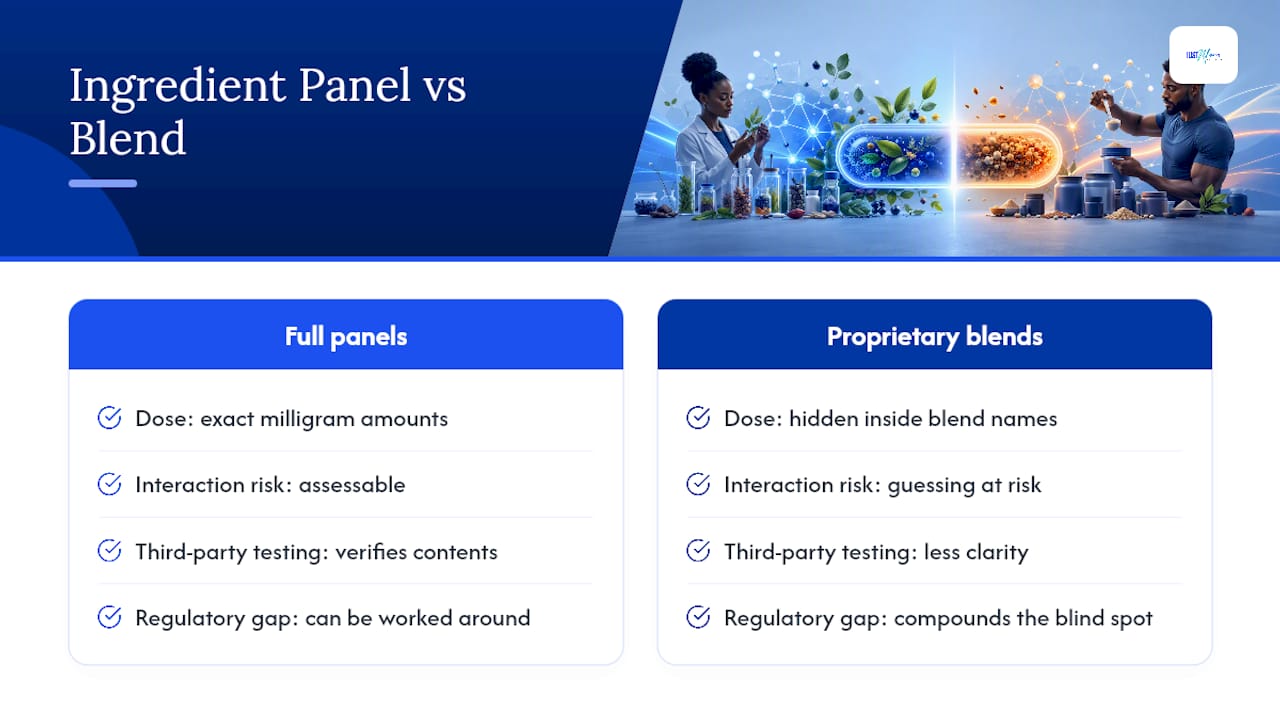
The bigger complicating factor is what shows up under the “proprietary blend” heading. A survey of 98 U.S. thermogenic and weight-loss products identified 337 different ingredients across the category, with heavy reliance on blends that hide individual dosages. That makes it nearly impossible to know how much of any single fat burner ingredient you’re actually swallowing, or whether a product stacks multiple stimulants without saying so on the front label.
What the Research Actually Shows
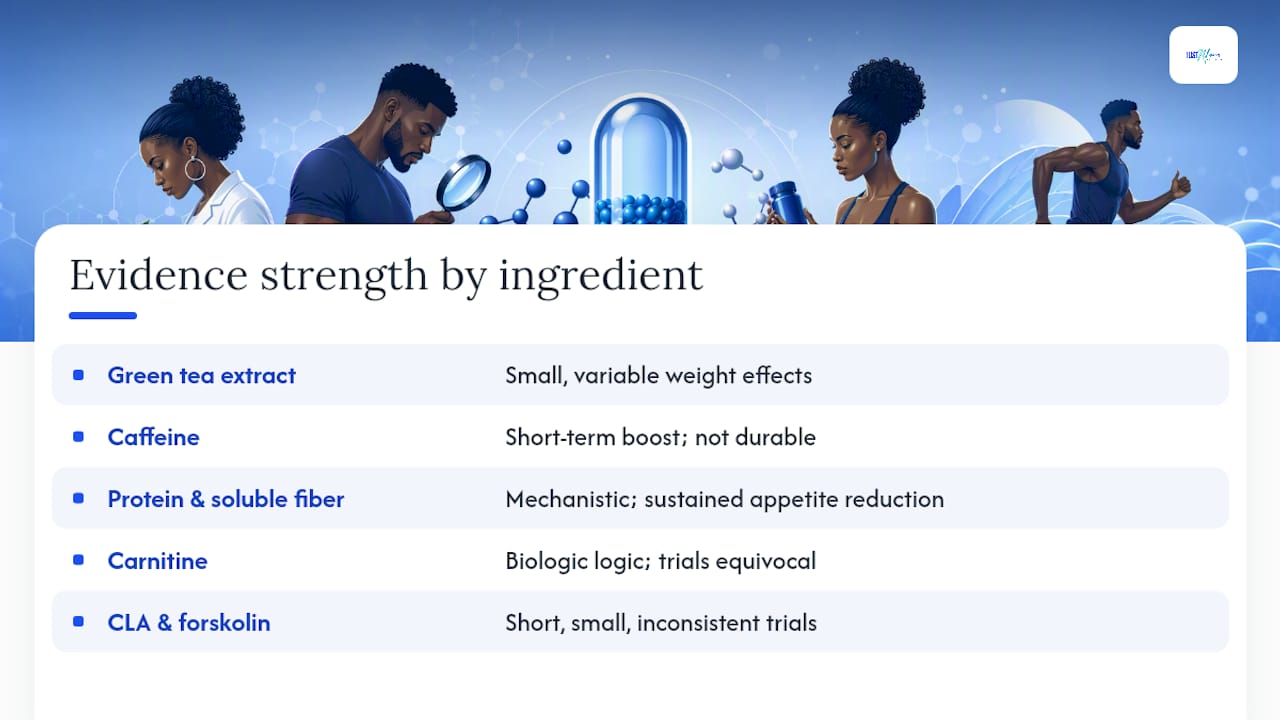
Green tea extract has been studied more than most fat burner ingredients, and the results are underwhelming in scale even when they’re statistically real. A meta-analysis pooling 15 weight-loss studies and 3 weight-maintenance studies, covering 1,945 participants, found only small, clinically limited weight effects from green tea preparations, with substantial variation between studies depending on dose and extract type.
Across nearly 2,000 participants, green tea extracts weight-loss effect was statistically detectable but too small to matter much to most people trying to drop meaningful body fat.
Caffeine’s evidence looks stronger for short-term effects than for lasting weight change. Multiple trials confirm it raises energy expenditure and fat oxidation in the hours after ingestion, and some research suggests a synergy with green tea catechins that boosts the effect further, according to Healthline’s review of natural fat burners. What caffeine hasn’t reliably done is produce durable, meaningful weight loss on its own once tolerance builds.
Protein and soluble fiber have a different kind of evidence problem: they’re not exciting, but they’re mechanistically sound and easier to sustain. Both work by making you eat less without a fight, and both tend to hold up better in longer trials, particularly when paired with a structured diet or training program. Mechanistic research on green tea suggests EGCG and caffeine may interact through COMT enzyme inhibition, altering how norepinephrine gets broken down, per a review in the journal Food Bioscience, though bioavailability differences between products make consistent real-world results elusive.
Carnitine, CLA, and forskolin sit at the weaker end of the evidence spectrum. Carnitine’s biological logic is sound, but human trials on weight outcomes remain equivocal. CLA and forskolin studies are frequently short, small, and inconsistent in extract composition, which makes it hard to generalize any single result to a commercial product on a shelf. Trial duration is the recurring theme across all of these: most run 8 to 12 weeks, far shorter than the months or years it takes to build or lose meaningful body fat.
Safety Risks and Medication Interactions to Know
Stimulant-based fat burner ingredients affect your cardiovascular and nervous systems, not just your metabolism. That’s the trade-off you’re making every time you take one.
Elevated blood pressure, rapid heart rate, anxiety, and disrupted sleep are the most commonly reported side effects across stimulant ingredients.
Yohimbine and synephrine (bitter orange) carry documented cardiovascular adverse events and are considered higher-risk than caffeine alone.
Interactions matter: blood pressure medications, anticoagulants, other stimulants, MAO inhibitors, and psychiatric medications can all interact dangerously with fat burner stimulants.
Proprietary blends increase contamination and mislabeling risk, since undeclared stimulant stacking is harder to catch without transparent dosing.
Pregnant individuals and people with heart conditions, anxiety disorders, or uncontrolled high blood pressure should avoid stimulant fat burners entirely.
Stop taking any product and contact a healthcare provider if you notice chest tightness, heart palpitations, severe headache, or panic-like symptoms after a dose.
Pro Tip:Add up caffeine from every source in your day, coffee, pre-workout, energy drinks, and your fat burner, before you judge a single product’s dose. Most healthy adults should stay under 400 milligrams of total caffeine daily.
How to Read a Fat Burner Label Before You Buy
Choosing fat burner ingredients wisely starts with what’s printed on the bottle, not what’s promised on the front of the box.
Look for exact milligram doses on every active ingredient, not just a blend name.
Check for standardized extracts, like a stated EGCG percentage on green tea, rather than vague “green tea leaf” listings.
Add up total stimulant content across the label, since caffeine often hides under multiple names (guarana, yerba mate, kola nut).
Favor brands that use third-party testing, such as USP or NSF certification, over ones that don’t mention testing at all.
Be skeptical of any product promising rapid, dramatic fat loss with no mention of diet or exercise.
Search for the ingredient combination alongside “proprietary blend” to see if independent sources have flagged undisclosed dosing.
Reading labels this way takes an extra two minutes at checkout, and it’s the single best defense against the hidden dosing problems that plague this category.
Do the Effects Last, or Do You Just Build a Tolerance?
Stimulant tolerance is the elephant in the room for anyone using fat burner ingredients long term. Caffeine and related compounds lose potency as your nervous system adapts, meaning the appetite suppression and energy boost you felt in week one is rarely the same by week eight. Cycling off periodically restores some sensitivity, but it also means the “always-on” approach many people take isn’t matching the biology.
Non-stimulant ingredients tend to hold up better over time. Soluble fiber’s satiety effect doesn’t fade the way caffeine’s does, and protein’s role in preserving lean mass during a deficit stays consistent whether you’ve used it for two weeks or two years. That’s part of why protein and fiber show up repeatedly in longer-term nutrition research while stimulant-heavy formulas dominate the short-term study pool.
Sustainability also depends on what you’re using the ingredient to replace. If a fat burner becomes a substitute for consistent eating habits or training, its long-term value drops fast, because none of these compounds address the calorie balance that actually drives fat loss. Used as a small, time-limited assist alongside real dietary structure, the picture looks different. Experts generally frame fat burner supplements as a minor adjunct rather than a standalone solution, and that framing holds up whether you’re looking at week one or month twelve.
Natural vs. Synthetic Fat Burner Ingredients: Does the Source Matter?
“Natural” on a supplement label describes origin, not safety or effectiveness. Green tea extract, caffeine from coffee beans, and glucomannan from the konjac root are all plant-derived, but that doesn’t make them automatically gentler than a lab-synthesized compound.
Caffeine is a good example of why the distinction gets blurry. Whether it comes from a coffee bean, guarana, or a synthetic source manufactured in a lab, the molecule your body absorbs is chemically identical. Your nervous system responds the same way regardless of where the caffeine originated.
Where the natural-versus-synthetic line matters more is consistency and purity. Synthetic ingredients are often easier to dose precisely because manufacturers control the exact molecule going into each capsule. Natural extracts, by contrast, depend on plant variability, growing conditions, and extraction methods, which is part of why green tea trials show such inconsistent results from one study to the next. A natural label doesn’t guarantee a standardized dose, and a synthetic one doesn’t guarantee safety. The ingredient’s actual research record and your product’s stated dosage matter far more than its origin story.
Are Fat Burner Supplements Regulated the Way You’d Expect?
Dietary supplements, including fat burners, aren’t approved by the FDA before they hit shelves the way prescription drugs are. The agency regulates them under a framework that treats them more like food than medicine, which means manufacturers are responsible for ensuring safety and truthful labeling before selling a product, and the FDA generally acts after a problem is reported rather than before.
That gap is exactly why third-party testing organizations, like USP, NSF, and Informed Sport, matter so much in this category. Certification from one of these groups verifies that a bottle contains what the label says and doesn’t contain banned or contaminated substances, filling a quality-control role the manufacturer alone can’t guarantee. It’s not a claim about whether the ingredients work; it’s a claim about whether you’re getting what you paid for.
The ingredient-heterogeneity problem compounds the regulatory gap. With 337 different ingredients identified across just 98 surveyed products, and many hidden inside proprietary blends, consumers are often left guessing at both dose and interaction risk. Choosing brands that publish full ingredient panels with exact milligram amounts, rather than blend names, is currently the most practical way to work around that regulatory blind spot.
Our Take on Fat Burner Ingredients
We’d rather sell you a product with a shorter, honest ingredient list than a flashy one hiding behind a proprietary blend. Transparent dosing and realistic claims matter more to us than a bigger promise on the label. Fat burner ingredients can complement a solid diet and training plan, but they’re not a stand-alone fix, and they never will be. If you’re managing a health condition or taking medication, talk to a clinician before adding any stimulant supplement to your routine.
— Just
Fat Burners Built Around Ingredient Transparency
If you’ve made it this far, you already know that ingredient transparency beats flashy marketing every time. Our fat burner lineup is built around that same principle: clear doses, straightforward formulas, and no guessing games about what’s actually in the bottle.
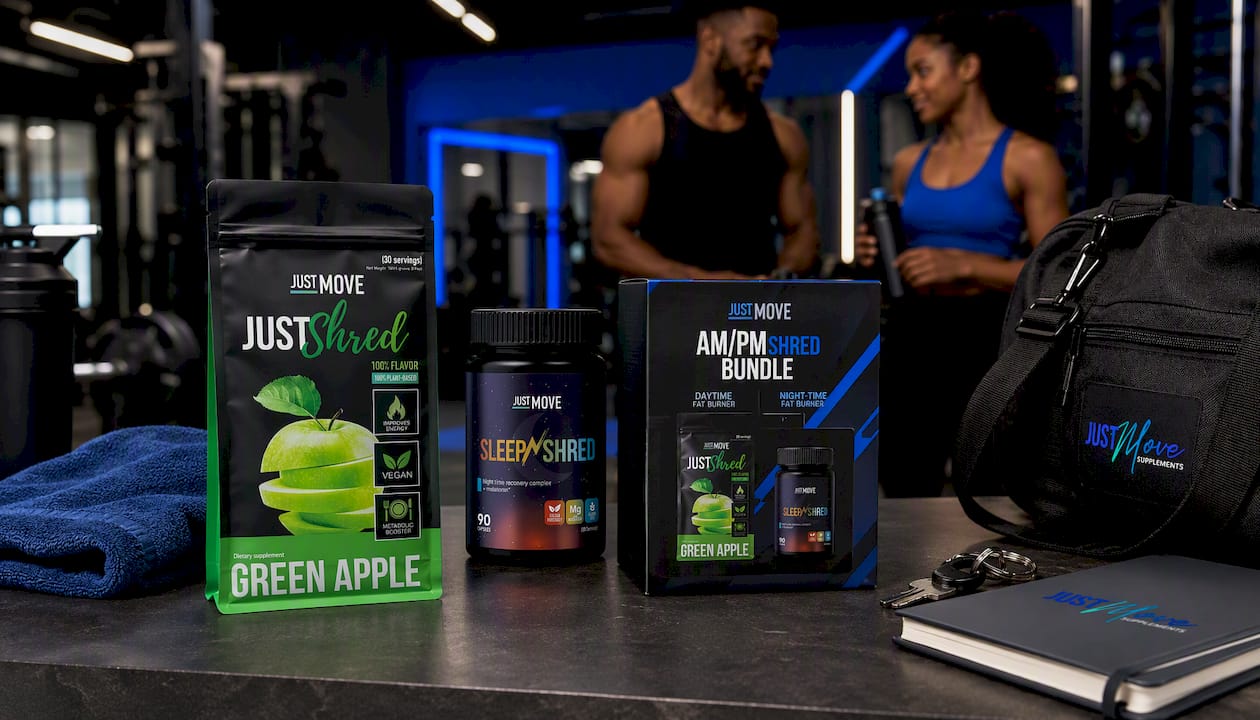
The daytime fat burner formula is built around a caffeine and metabolic-support base for people who want an energy lift alongside appetite control. For those who want coverage around the clock, an AM/PM bundle pairs the daytime formula with a stimulant-free nighttime companion, so you avoid stacking stimulants late in the day. And for those who prefer to avoid stimulants at night, a night-time fat burner is formulated to support recovery and metabolism while you sleep instead of keeping you wired.
Every product page lists full ingredient amounts, and our sample pack approach reflects the same philosophy we apply to fat burners: know what you’re getting before you commit. Check the fat burner collection for full label details, and always confirm with a healthcare provider that a stimulant formula fits your personal health picture before you start.
This article is general information, not a substitute for advice from a qualified doctor. Consult a qualified healthcare professional about your own circumstances before acting on anything here.
Caffeine has the most consistent short-term evidence for raising energy expenditure and slightly reducing appetite, especially when combined with green tea catechins.
How do you make a homemade fat burner?
A simple approach combines a caffeine source like brewed green tea with a high-protein meal or shake, since protein supports satiety and green tea offers modest catechin content, though homemade versions won’t match standardized extract doses used in trials.
What is a 4-ingredient weight loss drink?
There’s no single standardized recipe, but common versions combine green tea, lemon, ginger, and a small amount of honey or cinnamon; expect mild appetite and digestion support rather than a dramatic metabolic effect.
What are three ingredients that help target belly fat?
No ingredient burns fat from one specific area, but soluble fiber, protein, and green tea extract are commonly cited for supporting overall fat loss and appetite control when paired with a calorie deficit.
Do fat burner ingredients work without diet or exercise changes?
No single ingredient produces meaningful fat loss on its own; research consistently shows the biggest effects occur when ingredients like caffeine, green tea extract, or fiber are combined with dietary changes and physical activity.
Find the right pre workout timing: 30 to 60 minutes for caffeine, 2 to 3 hours for nitrates. Use the three session test (20, 40, 60 minutes) to find your...
Consuming this product can expose you to chemicals including
Lead, which is known to the State of California
to cause cancer and birth defects or other reproductive harm.