For most lifters, whey isolate or hydrolysate is the best protein powder for muscle gain, with a plant-based pea and rice blend as the strongest vegan alternative. Aim for 20 to 30 grams per serving and 1.6 to 2.2 grams per kilogram of body weight daily, paired with consistent resistance training. Justmovesupplements makes it easy to put this into practice with sample packs and downloadable recipe guides that take the guesswork out of your first order.
TL;DR:
- Whey isolate or hydrolysate is best for post-workout muscle gains due to its fast digestion and high leucine content.
- Plant-based lifters should combine pea and rice proteins and dose at least 30 grams to meet leucine thresholds, especially for muscle synthesis.
- Consuming around 2.5 to 3 grams of leucine per serving triggers muscle protein synthesis most effectively, regardless of total protein grams.
- Most adults need 1.6 to 2.2 grams of protein per kilogram of body weight daily, spread over three to five meals for optimal results.
- Third-party tested, unflavored options, and sample packs help ensure quality, reduce waste, and allow safe testing before committing to large tubs.
Table of Contents
Quick Picks by Goal: Post-Workout, Bedtime, Vegan, and Budget
You don’t need to read every study on muscle protein synthesis to pick a smart product today. Match your priority to one of these use cases and move on with your training.
For most lifters after a workout: Choose a whey isolate or hydrolysate. Both digest fast and deliver a leucine spike that drives muscle growth more efficiently than slower-digesting proteins. If you train in the evening and want to test flavors before committing to a full tub, a sample pack removes the risk of buying a five-pound bag you end up dumping down the drain.
For overnight recovery: Casein or a slow-release milk protein blend fits better before bed. It clots in the stomach and trickles amino acids into your bloodstream for hours, which is exactly what you want while you sleep through your longest daily fast.
For plant-based lifters: A pea and rice combination, dosed a bit higher than whey (often 30 grams or more), closes the leucine gap that single-source plant proteins tend to have. Combining sources matters more here than brand loyalty.
For anyone on a budget: Buying a tub instead of ready-to-drink bottles cuts your cost per serving dramatically, a point Cleveland Clinic makes directly. A shaker cup is a one-time purchase that pays for itself within a couple of weeks of skipped store-bought shakes.
- Post-workout priority: whey isolate or hydrolysate, 20 to 30g
- Overnight priority: casein or micellar milk protein, 20 to 40g
- Plant-based priority: pea + rice blend, 30g or more
- Budget priority: bulk tub plus a reusable shaker over single-serve bottles
Whey vs. Casein vs. Plant Protein: Which One Builds Muscle Fastest?
Leucine is the amino acid that flips the switch on muscle protein synthesis. Your body needs roughly 2.5 to 3 grams of leucine in a single meal or shake to meaningfully activate that pathway, sometimes described as crossing the mTOR threshold. Not every protein source gets you there at the same dose, and that’s the real variable worth paying attention to, not just the “grams of protein” number on the front of the tub.
Whey isolate and hydrolysate lead the pack because they digest quickly and carry a dense leucine load. A SAGE review of whey’s chemical properties concluded that isolate and hydrolysate stimulate muscle protein synthesis effectively, with an optimal serving landing around 20 to 25 grams for most adults. That is why whey isolate shows up so often in “best whey for muscle gain” recommendations. It simply gets amino acids into your bloodstream faster than concentrate or plant sources.
Casein works on the opposite timeline. It’s the slow protein, useful for the eight-hour gap between dinner and breakfast, and it tends to blunt appetite better than whey because of how it digests. If your goal is muscle retention overnight rather than an immediate post-lift spike, casein earns its place in your rotation.
Plant blends can absolutely build muscle, but they need a heavier hand. A systematic review comparing plant and animal proteins found a modest advantage for animal-based sources in triggering muscle protein synthesis, with that gap most relevant for older adults dealing with anabolic resistance. Younger, consistently training lifters can close most of that gap simply by dosing plant protein higher or blending pea with rice to complete the amino acid profile. Egg protein sits in the middle: slower than whey, faster than casein, and a solid dairy-free option for anyone with a whey sensitivity. Bone broth protein has become trendy, but its leucine content is low, so treat it as a collagen supplement rather than a primary muscle-building source.
| Protein type |
Digestion speed |
Leucine density |
Best use case |
| Whey isolate/hydrolysate |
Fast |
High |
Post-workout |
| Whey concentrate |
Fast to moderate |
Moderate to high |
General daily use |
| Casein |
Slow |
Moderate |
Before bed |
| Egg protein |
Moderate |
Moderate |
Dairy-free alternative |
| Pea + rice blend |
Moderate |
Low to moderate (needs higher dose) |
Plant-based lifters |
- Whey isolate/hydrolysate: fastest absorption, ideal within a few hours of training
- Casein: slowest absorption, best paired with your last meal of the day
- Pea + rice: combine sources or increase serving size to hit the leucine threshold
- Egg protein: middle-ground digestion, useful if dairy causes bloating
How Much Protein Do You Actually Need Each Day?
Most research on muscle gain converges on a daily target of 1.6 to 2.2 grams of protein per kilogram of body weight, a range echoed across multiple meta-analyses. For example, an average lifter’s daily protein target varies depending on body weight and goals. Increasing intake notably beyond this upper range generally results in minimal additional muscle gain for most people.
Pro Tip: If you’re over 50 or on medications that suppress appetite, aiming for the higher end of the protein intake range may help overcome age-related anabolic resistance.
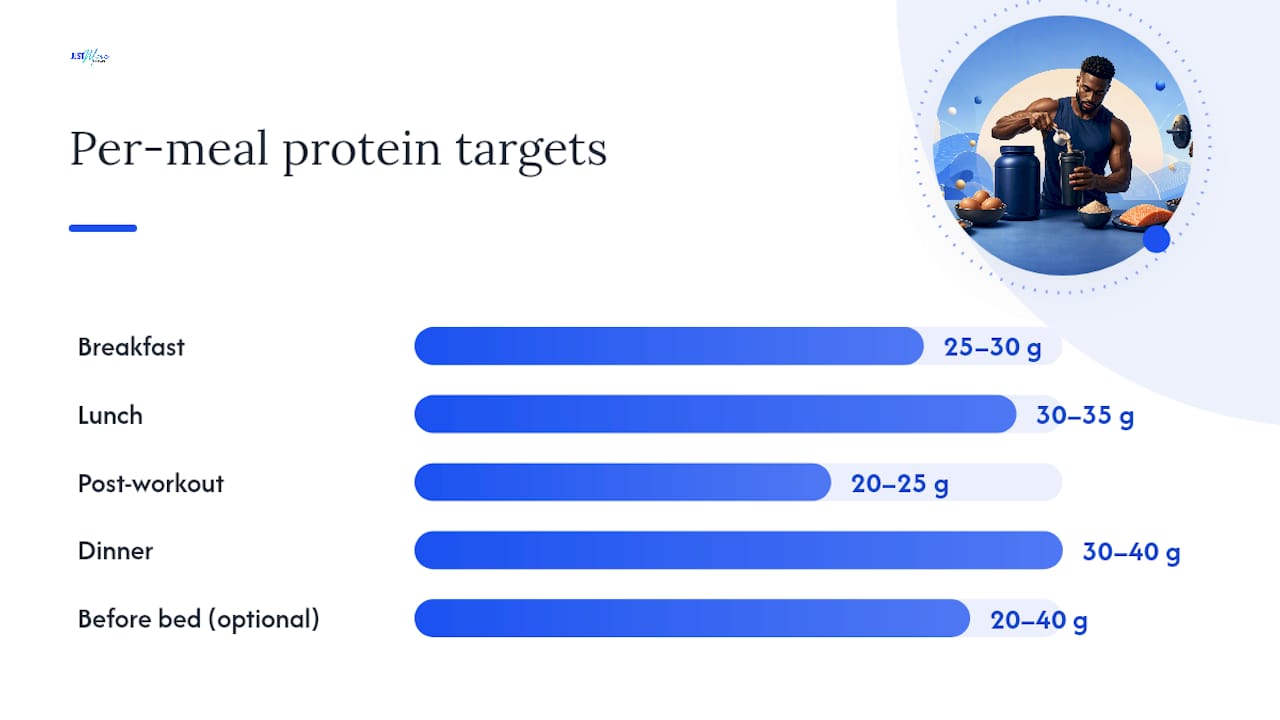
Per-meal distribution matters just as much as the daily total. Spreading protein across three to five meals rather than front-loading it into one giant dinner keeps your muscle protein synthesis elevated throughout the day. Each of those meals should land in the 20 to 40 gram range, with 20 to 30 grams being the sweet spot for most people using a whey-based shake, since that dose reliably delivers the 2.5 to 3 grams of leucine needed to trigger the response.
Timing around training is more forgiving than gym folklore suggests. The old “30-minute anabolic window” has been loosened considerably. What actually matters is getting a protein serving in within a few hours of your session, and Cleveland Clinic specifically recommends consuming protein within about 60 minutes post-workout as a practical, easy-to-follow habit rather than a strict biological deadline.
A simple daily template looks like this:
- Breakfast: 25 to 30g from eggs, Greek yogurt, or a whey shake
- Lunch: 30 to 35g from a protein-forward meal (chicken, fish, tofu)
- Post-workout: 20 to 25g whey isolate shake within an hour or two of training
- Dinner: 30 to 40g from a whole-food source
- Before bed (optional): 20 to 40g casein if your last meal was light on protein
For readers who want exact serving math based on their own body weight, our protein serving size guide walks through the calculation step by step.
How Do You Choose a High-Quality Protein Powder?
Reading a protein powder label takes less than thirty seconds once you know what actually matters. Skip the marketing claims on the front of the tub and go straight to the nutrition panel and ingredient list on the back.
-
Protein per serving: Look for 20 to 30 grams per scoop, and check the percent of the total serving weight that’s actually protein. A 40-gram scoop with only 20 grams of protein is mostly filler.
-
Leucine or full amino acid profile: Not every label lists leucine directly, but if it does, you’re looking for roughly 2.5 to 3 grams per serving. If it’s absent, whey and casein reliably hit that mark without needing to check.
-
Sugar and maltodextrin content: If you’re cutting or watching total carbs, a tub loaded with added sugar or maltodextrin fillers is working against you.
-
Third-party testing: Certifications like NSF Certified for Sport or Informed-Sport testing confirm the label matches what’s actually in the tub, a signal Healthline’s product roundup treats as one of the fastest quality proxies available to shoppers.
-
Allergen transparency and manufacturing details: A brand that clearly states its facility practices and allergen risks is one that isn’t hiding anything.
-
Price per gram of protein: Compare cost by grams of protein delivered, not by tub size. A cheaper tub with a smaller effective dose can cost more per gram than it looks.
Pro Tip: If you’re sensitive to additives or just want maximum flexibility for smoothies, soups, or baking, look for an unflavored or minimal-ingredient tub. It mixes into anything without fighting other flavors.
Sample packs solve the one problem a label can’t: taste and mixability. You won’t know if a flavor clumps or tastes chalky until it’s in your shaker, which is exactly why testing a few options before buying a full-size tub saves both money and cabinet space.
Shake Recipes and Real-World Mixing Tips That Actually Work
Getting protein powder into your routine consistently comes down to having a handful of go-to recipes rather than reinventing your shake every day.
-
Post-workout recovery shake: One scoop of whey isolate, 8 ounces of water or milk, half a banana, and a handful of ice. Blend and drink within an hour or two of training.
-
Casein bedtime shake: One scoop of casein, unsweetened almond milk, a tablespoon of peanut butter, and a dash of cinnamon. Let it sit a minute after blending; casein thickens as it hydrates.
-
High-protein snack smoothie: One scoop of pea and rice blend, a cup of frozen berries, a tablespoon of chia seeds, and Greek yogurt for an extra leucine boost from the dairy.
For plant-based combinations specifically, pairing your pea and rice powder with a dairy source like Greek yogurt or a splash of milk closes the amino acid gap without needing a second protein tub.
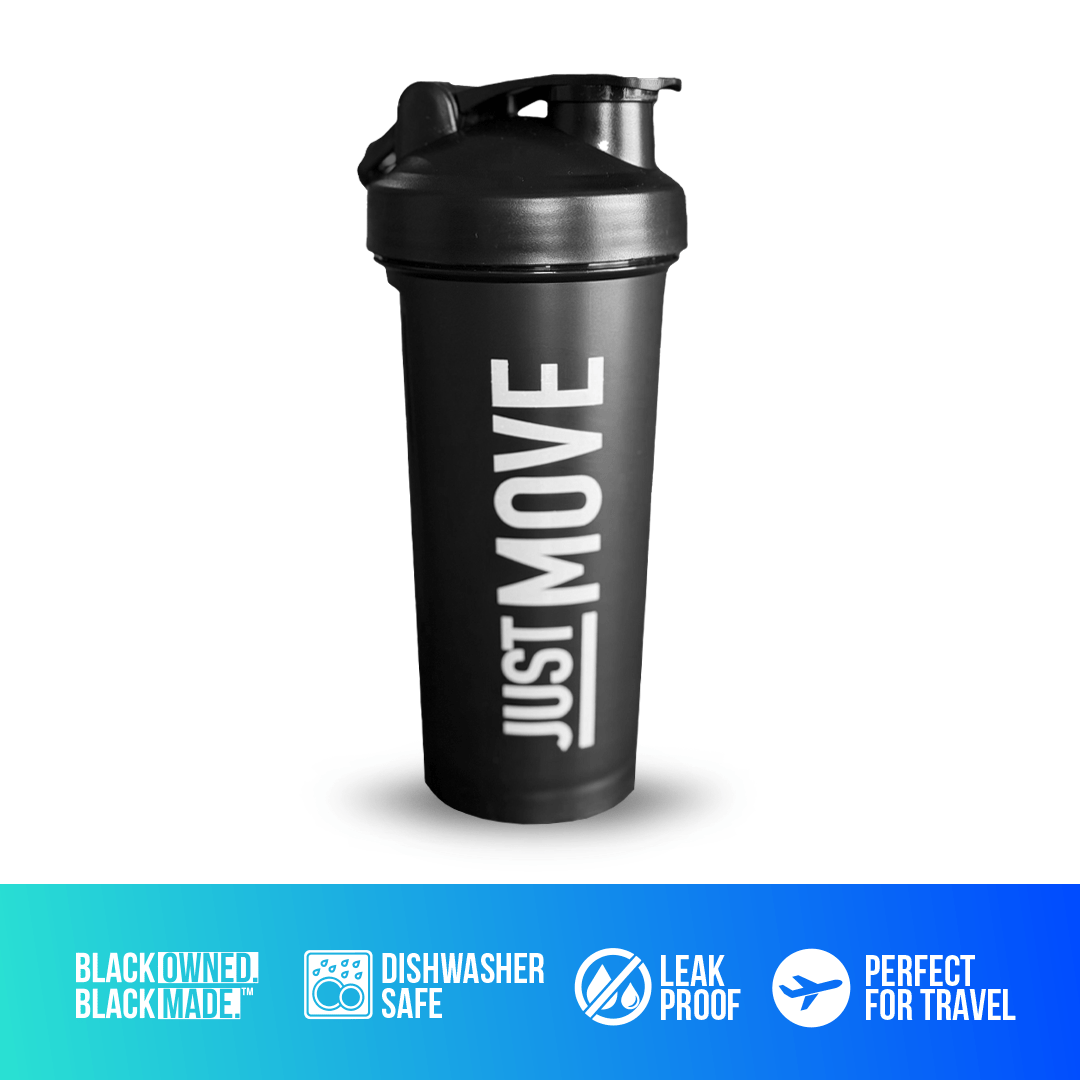
A cheap shaker cup with a wire whisk ball outperforms a spoon and glass every time, especially for casein, which clumps stubbornly without agitation. Store your tub in a cool, dry spot away from direct sunlight, and always use the scoop that came with it since scoop sizes vary between brands.
Our downloadable recipe PDF has more combinations if you want variety beyond these three, and if you’re traveling, these practical strategies for eating well away from home pair well with a travel-sized protein stash.
Why Justmovesupplements Backs Its Recommendations With Real Research
Every recommendation in this guide traces back to published research on protein timing, leucine thresholds, and dosing, not marketing copy. Just, the author behind this piece, built this guide around peer-reviewed nutrition science and clinical guidance rather than brand talking points, which is why the citations throughout point to Harvard Health, Cleveland Clinic, and peer-reviewed journals instead of anonymous “expert” blogs.
Justmovesupplements built its catalog around the same principle: reduce risk before you commit. That shows up in three concrete ways.
-
Sample packs let you test multiple flavors before buying a full tub, directly addressing the flavor-fatigue problem that causes most protein tubs to go unfinished.
-
The Shake Of The Day recipe PDF gives you a new combination daily so the same flavor doesn’t get boring by week two.
-
The 20 oz. shaker cup solves the mixing problem that ruins casein and thicker blends when shaken by hand alone.
If you’re ready to apply what you just read, start with the sample pack or grab the recipe PDF to build your first week of shakes around real dosing targets instead of guesswork.
Can Protein Powder Cause Side Effects, and How Do You Avoid Them?
Bloating and gas are the most common complaints, usually tied to lactose in whey concentrate rather than the protein itself. Switching to whey isolate, which strips out most of the lactose during processing, resolves this for the majority of people who react poorly to concentrate.
Digestive discomfort can also come from doubling up too fast. Jumping from zero scoops to three servings a day overwhelms your gut’s ability to process that much protein at once. Build up gradually over a week or two instead.
Kidney concern is the question that comes up most often, and for healthy individuals with normal kidney function, research hasn’t shown that protein intake within the 1.6 to 2.2 gram per kilogram range causes damage. That said, anyone with pre-existing kidney disease should talk to a doctor before increasing protein intake through supplements, since their situation is genuinely different.
Sweeteners like sugar alcohols (sorbitol, erythritol) in some flavored powders can cause loose stools in sensitive individuals. If a specific flavor consistently upsets your stomach, that’s often the culprit, not the protein itself. Switching flavors or trying an unflavored version usually solves it without needing to abandon the product entirely.
Protein Powder vs. Whole Foods: What’s Actually Better for Muscle Gain?
Neither wins outright. Whole foods like chicken breast, eggs, Greek yogurt, and fish deliver protein alongside micronutrients, fiber, and satiety that a powder can’t replicate. A six-ounce chicken breast gives you roughly 40 grams of protein along with B vitamins and minerals you’d otherwise need to source elsewhere.
Protein powder wins on convenience and precision. Hitting 150 grams of protein daily through whole food alone means planning multiple substantial meals, which gets genuinely hard on a busy workday or right after a workout when your appetite for solid food is low. A shake solves that problem in under two minutes.
The practical answer most experienced lifters land on is a hybrid approach: build your base from whole foods at regular meals, and use protein powder to fill gaps, particularly post-workout or when you’re short on time. Trying to hit your entire daily target through powder alone gets expensive and misses out on the broader nutritional value whole food provides. Trying to hit it entirely through food alone often means eating past comfortable fullness just to close the gap on a high-protein day.
What the Research Actually Supports (and What Gets Overlooked)
The conventional advice on protein timing has been overcorrected in the opposite direction. Fitness culture spent a decade obsessing over the “30-minute window,” then swung hard toward “timing doesn’t matter at all.” Neither extreme holds up. Total daily intake and meal distribution do the heavy lifting, but getting a serving in in a reasonable window after training is still a practical habit worth keeping, not a myth to dismiss.
What gets underrated is leucine density, not headline protein grams. Two products can both say “24g protein” on the label and perform very differently depending on the amino acid profile behind that number. If you’re only checking the front of the tub, you’re missing the variable that actually predicts results.
Prioritize hitting your leucine threshold at each meal before worrying about brand reputation or flavor variety. Once that’s dialed in, everything else, sample packs, recipes, timing windows, is optimization around a foundation that’s already solid.
— Just
Ready to Put This Into Practice?
Reading about leucine thresholds and meal distribution only helps if you can act on it without overthinking your next grocery run. Justmovesupplements built its lineup specifically so you can test flavors risk-free before committing to a full-size tub, something a single fixed-flavor product from a big-box store simply doesn’t offer.
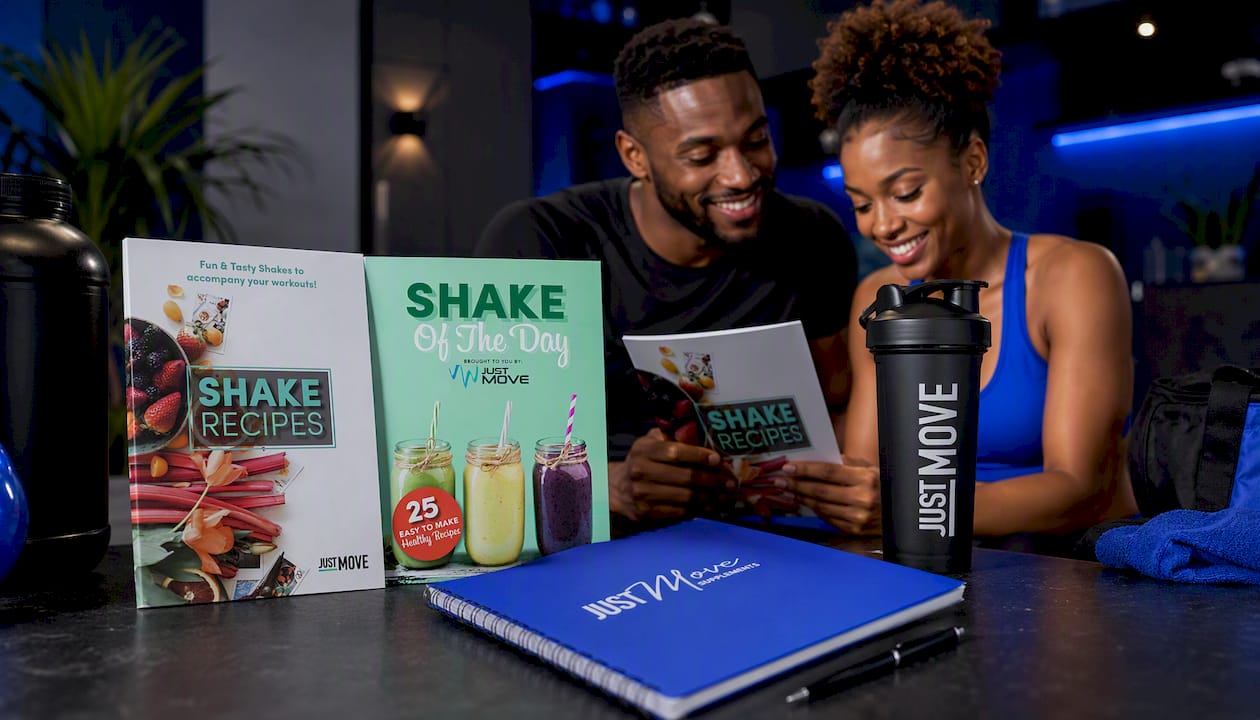
Start with the sample pack to find a flavor and texture you’ll actually finish, then use the Shake Of The Day PDF to keep your daily shake from getting stale. Pair either with the 20 oz. shaker cup to eliminate the clumping issues that ruin thicker blends like casein. If you’re ready to build your next few weeks of training around real dosing targets instead of guesswork, place your first order today and start applying the leucine and meal-distribution strategy this guide just laid out.
Sources
Recommended


