
- Article published at:
- Article author: Just MOVE Supplements
- Article tag: en
- Article comments count: 0
Discover the truth about protein powder shelf life and how to ensure safe, high-quality use beyond the expiration date. Learn more!
Learn More

Drawer menu

Combine ½ cup rolled oats, 1 scoop protein powder, ½ cup Greek yogurt, ¾ cup milk, and 1 tablespoon chia seeds in a jar, shake well, seal, and refrigerate for at least 4 hours (8+ hours for best texture). That single jar delivers 30–40 grams of protein per serving, preps in under 5 minutes, and keeps in the fridge for up to 5 days. When you make high-protein overnight oat jars with this base ratio, you get a breakfast that genuinely supports muscle recovery and satiety without any morning cooking. Tested recipes confirm that combining rolled oats, protein powder, and yogurt can achieve a high protein content per serving.
Making high-protein overnight oat jars consistently comes down to the right base ratio, the right protein source, and a repeatable prep routine that takes under 5 minutes.
| Point | Details |
|---|---|
| Core jar ratio | Use ½ cup oats, 1 scoop protein powder, ½ cup Greek yogurt, ¾ cup milk, and 1 tbsp chia seeds per jar. |
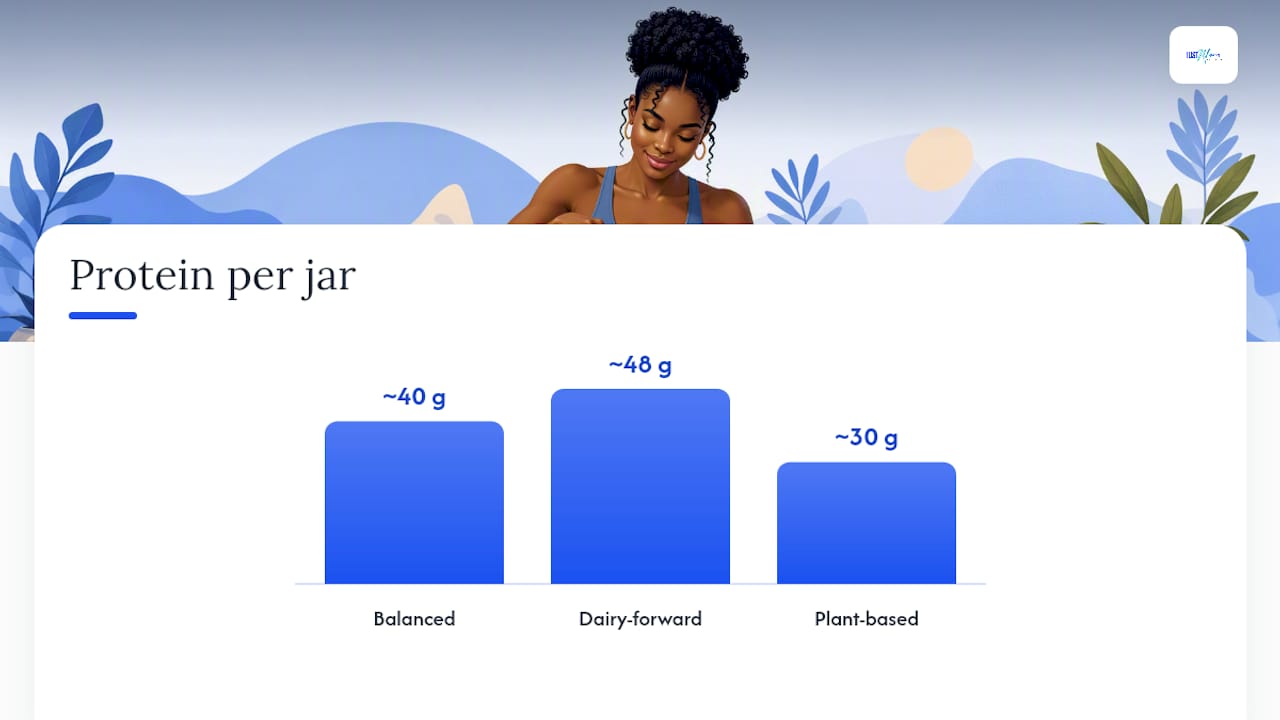
| Protein math | Combining whey, Greek yogurt, and dairy milk can deliver 30–48 g protein per jar depending on specific brands and recipe quantities. |
| Chill time | Refrigerate at least 4 hours; 8+ hours produces the creamiest texture and best flavor. |
| Storage window | Jars keep safely for 3–5 days refrigerated; store toppings separately for peak texture. |
| Justmovesupplements sample pack | Test multiple protein powder flavors in your jars before committing to a full tub. |
Every great jar starts with the right lineup. Here is what goes into a single-serve jar and why each item earns its place:
Pro Tip: Choose a flavored protein powder you already enjoy drinking. If it tastes good in a shaker, it will taste good in a jar.
A breakfast earns the “high-protein” label when it delivers enough protein to meaningfully support satiety and muscle protein synthesis. For most active adults, that means targeting 30–40 g of protein at breakfast. Research-backed recipes combining protein powder, chia seeds, and Greek yogurt consistently hit 38–40 g per serving while keeping blood sugar balanced.
Here is how the protein stacks in a standard jar:
| Ingredient | Approx. Protein |
|---|---|
| 1 scoop whey protein powder | 20–25 g |
| ½ cup Greek yogurt | 10–12 g |
| ¾ cup dairy milk | 6 g |
| ½ cup rolled oats | 5 g |
| 1 tbsp chia seeds | 2 g |
| Total | ~40 g |
Liquid choice matters more than most people realize. Dairy milk adds roughly 6 g of protein per ¾ cup; unsweetened soy milk comes close at around 5–6 g. Almond or oat milk typically adds only 1–2 g, which can drop your total by 4–5 g. Swapping Greek yogurt for cottage cheese is another strong move: cottage cheese is dense in casein protein and can push the jar’s total even higher. The math is simple once you read labels, and the payoff is a breakfast that keeps you full well past noon.
For a full week of jars, two approaches work well. The first: mix a large dry base (oats, chia, protein powder) in a container, then portion it into individual jars each evening before adding liquid and yogurt. The second: pre-mix the liquid base (milk plus protein powder) in a pitcher, then pour over oats and yogurt in each jar. The Conscious Plant Kitchen notes that batch-prepping the dry base and portioning each morning keeps texture fresher than pre-mixing everything days in advance.
Estimated macros per jar: ~420 calories, 40 g protein, 45 g carbs, 8 g fat, 7 g fiber
Estimated macros per jar: ~480 calories, 48 g protein, 42 g carbs, 12 g fat, 6 g fiber
Estimated macros per jar: ~390 calories, 30 g protein, 44 g carbs, 11 g fat, 8 g fiber
Plant-based jars typically land 8–12 g lower in protein than their dairy counterparts because plant yogurts and some plant protein powders are less protein-dense. Choosing soy milk over almond or oat milk and using a high-quality soy or pea protein powder closes that gap considerably.
| Recipe | Protein | Calories | Fiber |
|---|---|---|---|
| Balanced (whey + Greek yogurt) | ~40 g | ~420 | 7 g |
| Dairy-forward (whey + cottage cheese + yogurt) | ~48 g | ~480 | 6 g |
| Plant-based (soy protein + coconut yogurt) | ~30 g | ~390 | 8 g |
Macro estimates are based on standard USDA nutrition values for each ingredient at the listed quantities. Actual values vary by brand.
Meal-prep fatigue is real when you eat the same jar five days in a row. These pairings keep things fresh without adding much prep time:
For a lower-sugar version, skip fruit and use unsweetened cocoa, cinnamon, or vanilla extract as flavor drivers. For something more indulgent, a drizzle of dark chocolate chips or a spoonful of almond butter on top adds texture without derailing your macros.
For more creative ways to mix protein powder flavors, the Justmovesupplements blog has a dedicated guide worth bookmarking.
Vegan and dairy-free: Replace Greek yogurt with unsweetened coconut yogurt or soy yogurt. Use unsweetened soy milk for the closest protein match to dairy. Swap whey protein for a soy, pea, or rice-and-pea blend protein powder. Expect a modest protein reduction of 5–10 g per jar compared to a full-dairy version. For practical tips on incorporating plant-based protein into recipes like these, Justmovesupplements covers the specifics.
Gluten-free: Rolled oats are naturally gluten-free, but most commercial oats are processed in facilities that also handle wheat. Choose oats labeled “certified gluten-free” to avoid cross-contamination. Everything else in the base recipe is typically gluten-free, but always check protein powder labels.
Nut-free: Replace nut butter with sunflower seed butter or tahini. Use hemp hearts instead of any nut-based toppings. Both options add healthy fat and a small protein boost without triggering tree-nut or peanut allergies.
Texture issues are the most common reason people give up on overnight oats. Here are the fixes:
Pro Tip: Use a milk frother or whisk to fully dissolve protein powder into the milk before combining with oats and yogurt. This single step produces a noticeably smoother, lump-free base every time.
Properly stored jars stay fresh and safe for 3–5 days in the refrigerator. Jars with fresh fruit toppings layered in are best consumed within 2–3 days; jars with toppings stored separately last the full 5 days at peak texture and flavor.
For meal-prep success, keep these practices in mind:
For more inspiration on batch-prepping meals in jars, PreparednessMama has a practical resource on jar-based meal systems that pairs well with this approach.
The right container makes a real difference in both prep speed and portability.
Jar sizes: A 16 oz (pint) mason jar is the standard single-serve size and gives enough room to shake the mix without spilling. If you prefer a smaller portion or are using the jar for a child, a 12 oz jar works. For batch storage of a dry oat base, a 32 oz wide-mouth mason jar holds enough for 4–5 servings. The Real Food Dietitians recommend mason jars specifically because they allow shaking, visual consistency checks, and easy transport.

Lids: Standard two-piece mason jar lids work fine for fridge storage. For transport, invest in plastic leak-proof lids designed for wide-mouth mason jars. They are inexpensive, widely available, and far more reliable than the standard metal bands when the jar is in a bag.
Small tools: A handheld milk frother (under $10 at most kitchen stores) is the single most useful tool for dissolving protein powder cleanly. A small balloon whisk works nearly as well. Keep a set of reusable adhesive labels or a roll of masking tape near your prep station for date-labeling.
Not all protein powders behave the same way in a cold, soaked environment. Here is how the main categories compare:
Pro Tip: Not sure which protein powder texture you prefer in overnight oats? The Justmovesupplements protein sample variety pack lets you test multiple flavors and formulas before committing to a full tub, which is the smartest way to find your go-to jar flavor.
For a deeper look at using protein powder in oatmeal, Justmovesupplements covers mixing strategies and recipe ideas across protein types.
Tracking your jar’s nutrition takes about 2 minutes once you have the labels in front of you. Here is the method:
Worked example using common values:
Label values vary by brand, so treat these as estimates and adjust based on your specific products. Switching from dairy milk to almond milk, for example, drops protein by roughly 4–5 g per jar. Choosing a protein powder with 20 g per scoop instead of 25 g has the same effect. Small swaps add up across a week of meal prep, so recalculate whenever you change a core ingredient.
A combination of protein powder, Greek yogurt, and chia seeds commonly results in 38–40 g protein per serving while keeping the meal balanced for blood-sugar control.
The most common mistake with protein overnight oats is overcomplicating the base. Readers who spend time sourcing exotic ingredients or chasing a perfect macro split often end up prepping inconsistently. The jars that actually get made every week are the ones with a fixed base ratio and a rotating topping. Pick one protein powder that tastes good cold, one yogurt you like, and one milk. Master that combination first. The flavor variations and macro tweaks are worth exploring once the habit is locked in. Overnight oats for muscle gain work not because the recipe is sophisticated, but because it is repeatable. A jar you make every Sunday night is worth more than a perfect recipe you make once.
Knowing the recipe is one thing. Having a protein powder that actually tastes good cold, mixes smoothly, and fits your goals is what turns a good recipe into a weekly habit.
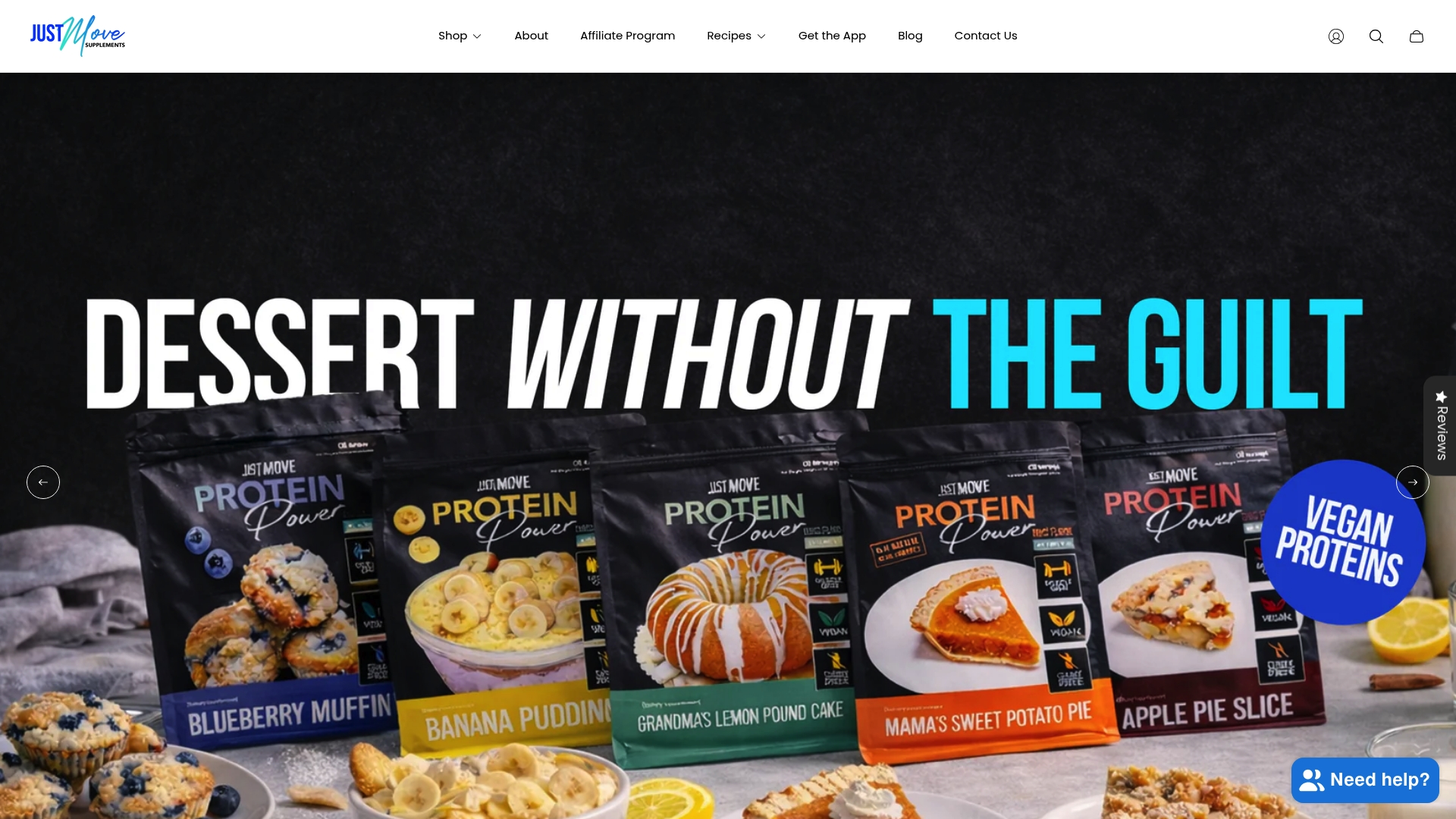
Justmovesupplements offers a protein sample variety pack with 7 flavors, so you can test texture and taste in your overnight oat jars before investing in a full tub. No guessing, no wasted money on a flavor that does not work for you. For readers focused on body composition alongside their high-protein breakfast routine, the Just Shred Green Apple Fat Burner and the full fat-burner collection are trusted additions to a performance-focused nutrition plan. Head to Justmovesupplements and grab your sample pack today.
These resources back the guidance in this article and are worth bookmarking for deeper research:


Consuming this product can expose you to chemicals including Lead, which is known to the State of California to cause cancer and birth defects or other reproductive harm.
For more information, go to www.P65Warnings.ca.gov/food .